Bitcoin’s debate over “spam” transactions has heated up after developer Luke Dashjr refused calls to withdraw BIP-110, a controversial proposal that would temporarily limit non-financial data in Bitcoin transactions.
What BIP-110 would do
- BIP-110, also called the Reduced Data Temporary Softfork, aims to curb certain forms of arbitrary data storage in transactions. Its stated goal is to “move Bitcoin back toward ‘the world’s money’” by rejecting data storage as a consensus-level use case.
- The proposal is narrow in scope: its rules would apply only to UTXOs (unspent transaction outputs) created at or after activation, leaving older UTXOs exempt so coins created before activation would not be frozen.
- The BIP’s text says it would temporarily invalidate some methods of data storage while preserving known monetary use cases, a change its supporters frame as an anti-spam measure.
Why the fight matters
The dispute centers on block space and Bitcoin’s purpose. Supporters of BIP-110 argue that inscriptions, Ordinals, Runes and other data-heavy activity increase storage demands, pressure the network, and push Bitcoin away from peer-to-peer payments. They say limiting certain on-chain data will reduce spam and protect Bitcoin’s core monetary role.
Opponents counter that block space should remain open to anyone willing to pay fees. They warn that restricting transaction content at the consensus level could set a dangerous precedent, introduce subjective rules, and fracture the ecosystem.
Ordinals and Runes in the mix
Ordinals and Runes have become active parts of Bitcoin’s fee market. The Ordinals handbook describes Runes as Bitcoin-native digital commodities that can be inscribed, minted and transferred through Bitcoin transactions — activities that have increased demand for block space and fees.
Saylor, Dashjr and the politics of change
The debate revived after Michael Saylor’s recent comments arguing Bitcoin must change slowly and protect its core design: “Its purpose is not to move fast and break things. Its purpose is to move slowly and not break.” Saylor didn’t directly reference BIP-110, and Dashjr was quick to point that out while rejecting demands to withdraw the proposal: “Saylor didn’t say anything about BIP110,” and, “And no, it’s too late to cancel BIP110.”
Context: markets and governance
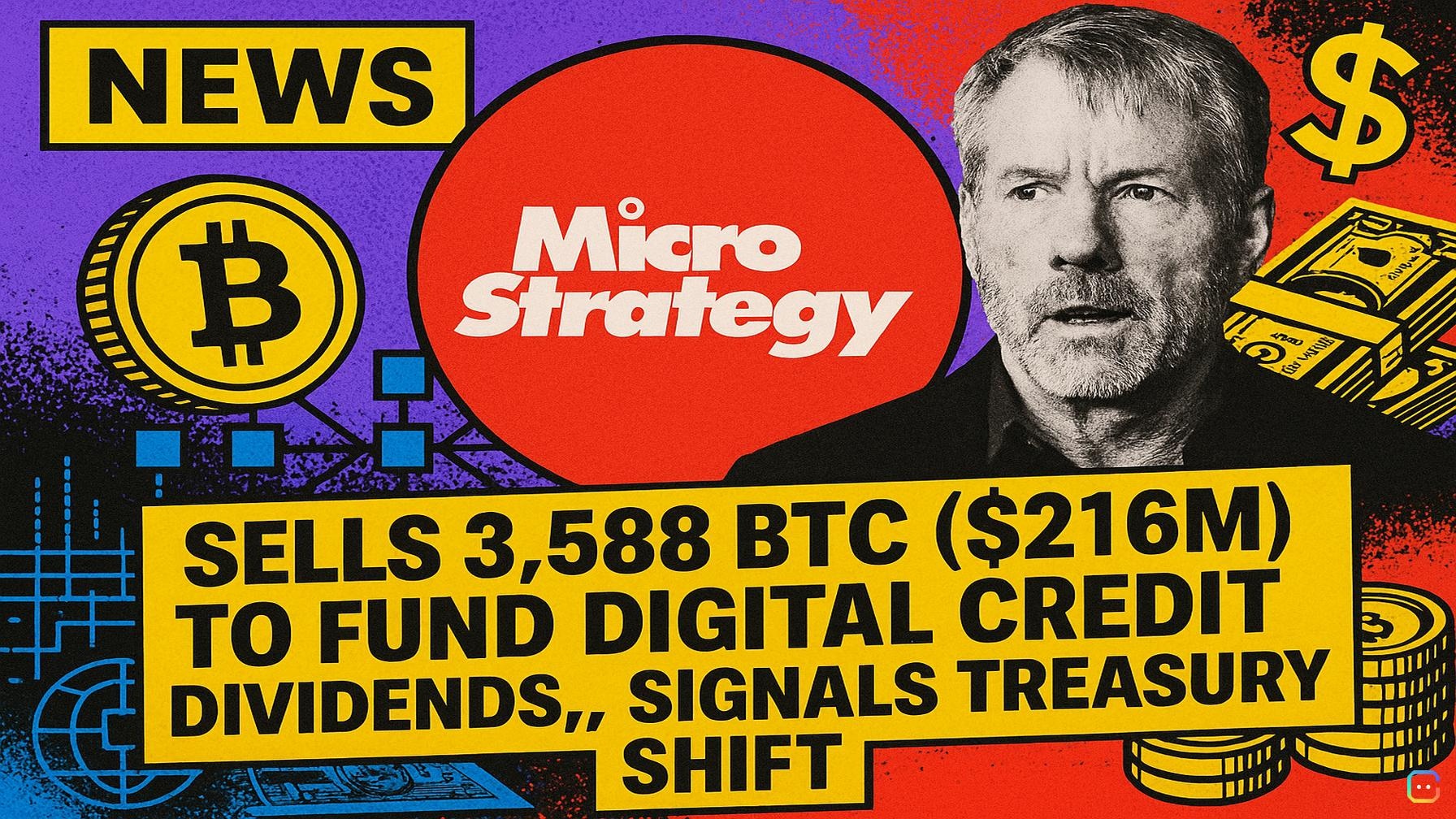
The timing matters. Bitcoin has been trading under pressure near $64,000 amid ETF outflows and macro risks, and Strategy — Saylor’s firm — has faced scrutiny as its funding and market value came under closer review. That market strain adds edge to the governance fight.
BIP-110 is also a test of how Bitcoin upgrades actually happen. There’s no central authority: developers can propose changes, but activation depends on a mix of miners, node operators, businesses and users adopting new rules. Reports from other outlets indicate miner support for BIP-110 remains weak, but the ultimate outcome will hinge on signaling and user behavior during any activation window.
Why this matters going forward
If BIP-110 gains traction, it could reshape how Bitcoin’s block space is used and narrow the kinds of data the chain accepts. If it fails, the precedent that market demand alone determines transaction content will stand. Either way, the fight highlights tensions between Bitcoin’s monetary purists and those who support broader on-chain uses — and it shows how technical, cultural and market forces collide when the community considers changing consensus rules.
Read more AI-generated news on: undefined/news