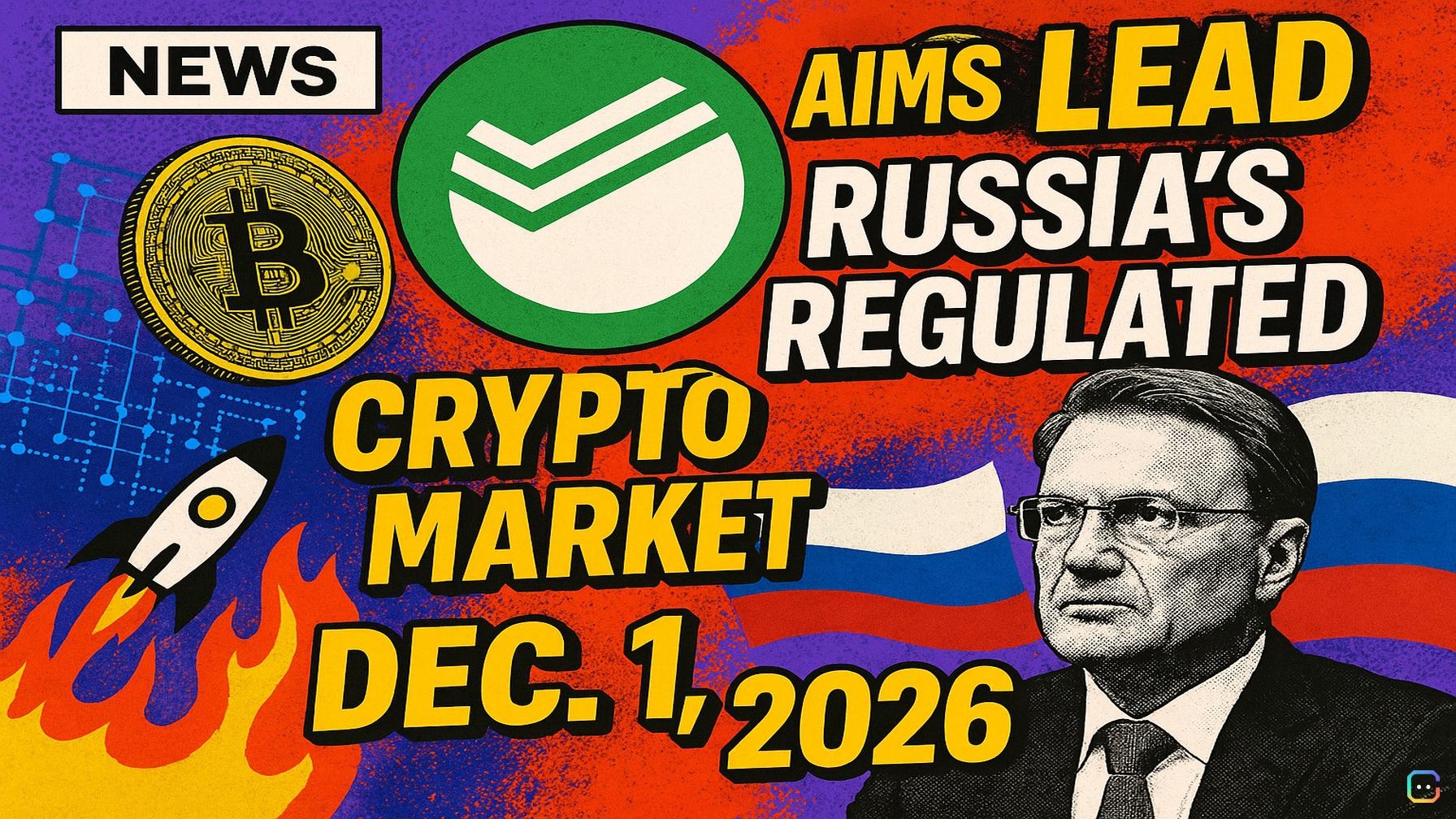
Sberbank aims to roll out regulated crypto trading and custody by Dec. 1, 2026, positioning itself to become a major player when Russia’s new crypto rulebook comes into force.
What Sberbank is building
- The country’s largest bank plans a full trading infrastructure plus a digital depository that will record customers’ crypto ownership and handle many transactions off public blockchains. Interfax says the bank will operate “active” wallets for deposits, withdrawals and transfers while keeping customer holdings recorded inside the depository.
- Alexander Vedyakhin, Sberbank’s first deputy chairman, said the bank intends to finish the systems ahead of the December deadline.
- Sberbank has not yet disclosed which coins will be supported, nor fees, eligibility rules or withdrawal limits—these details are expected to depend on the final regulatory specifics.
Regulatory backdrop and timelines
- Russia’s new crypto framework takes effect Sept. 1, 2026. Firms covered by the rules will have until July 1, 2027 to obtain licences and bring systems into compliance.
- The Bank of Russia will supervise the market and set standards for custody, accounting and customer protections. New crypto exchanges and digital repositories will need separate approval.
- Domestic crypto payments remain banned, though approved cross-border crypto settlements will be allowed. Residents may also face reporting obligations for some foreign crypto holdings and transactions.
How the regulated market will work
- Retail access will be split between qualified and non-qualified investors:
- Non-qualified investors must pass a knowledge test and will be limited to buying up to 300,000 rubles per year through a single intermediary. Public offerings will focus on liquid, sufficiently sized assets approved by regulators.
- Qualified investors must also pass testing but can access a wider asset set without that annual cap.
- Existing banks, brokers and asset managers may offer crypto services under their licences with additional crypto requirements, while digital repositories will hold and record customer rights. Brokers may process orders; exchanges will provide trading venues.
Sberbank’s crypto track record and tests
- Sberbank has been on the register of information system operators since 2022 and has issued digital financial assets and structured products tied to Bitcoin, Ethereum and crypto baskets.
- It has been preparing a crypto wallet and depository and has explored custody services. Reuters reported the bank submitted proposals to the central bank on using regulated banking infrastructure to store customers’ crypto.
- Sberbank tested crypto-backed lending: in Dec. 2025 it completed a pilot loan to Bitcoin miner Intelion Data, which pledged mined crypto as collateral. Reuters later reported Sberbank was considering similar corporate lending products.
Competitive landscape
- Other major Russian institutions are moving too: VTB and T-Bank are developing digital depository services, Moscow Exchange has considered regulated crypto operations, and Alfa-Bank has trialled limited crypto and custody tools. These efforts suggest large financial groups are positioning to meet the July 2027 licensing deadline.
Why it matters
- Sberbank’s Dec. 1 target puts it squarely in the transition window between the framework’s Sept. 1, 2026 effective date and the licensing deadline. If it meets the target, Sberbank could become a primary on‑ramp for Russians seeking regulated crypto exposure, custody and settlement services—albeit within the tighter investor protections and purchase limits the authorities are imposing.
What to watch next
- Which assets Sberbank will support and what fees, access rules and withdrawal limits it announces.
- How quickly competitors secure licences and launch services.
- Final regulations and Bank of Russia guidance on custody, accounting, investor testing and cross-border settlement rules.
Sberbank’s timeline and public testing activity make it one of the best‑placed incumbents to lead Russia’s transition to a regulated crypto market—though many operational and regulatory details remain unresolved ahead of the December launch goal.
Read more AI-generated news on: undefined/news