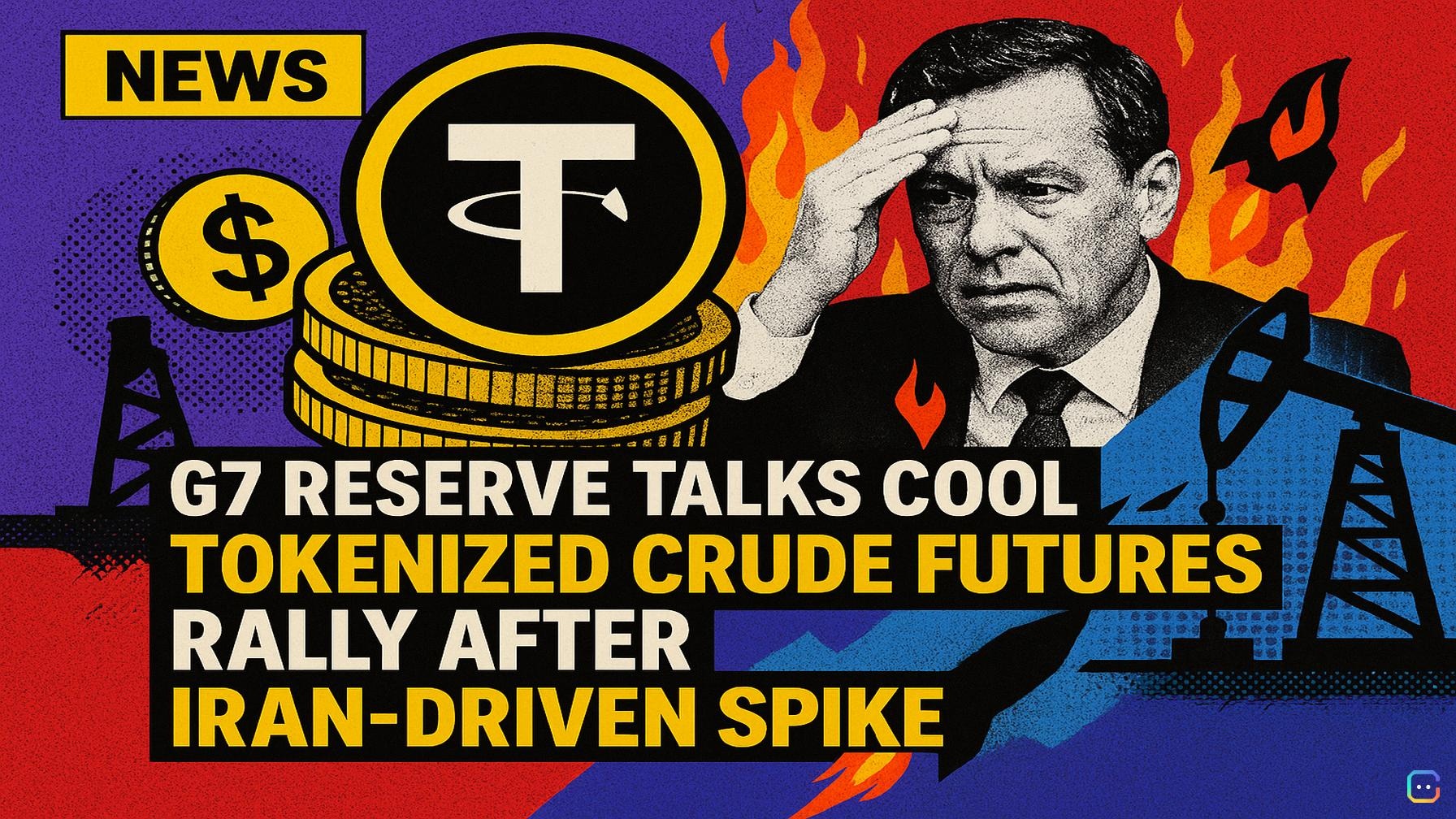
Tokenized crude futures that rocketed over the weekend lost momentum on Monday as reports circulated that the G7 is weighing a coordinated release of emergency oil reserves.
On Hyperliquid, the CL‑USDC contract tumbled from an intraday high of $118 to $102.83 after the Financial Times reported G7 finance ministers would discuss tapping strategic stocks via the International Energy Agency. That pulled the contract back from a more than 25% spike earlier in the session; CL‑USDC still finished substantially higher on the day, about 7.2% up, but well off its peak.
The frenzy reflected real-world supply shocks tied to the widening Iran conflict: Iran appointed a new supreme leader, Israeli strikes escalated into Lebanon, Iranian missiles hit Saudi Arabia, Iraq’s oil output dropped roughly 60%, and tanker traffic through the Strait of Hormuz has largely collapsed. Those developments sent traders into tokenized oil markets over the weekend—markets that run 24/7 and let crypto-native participants price risk long before traditional commodity venues open.
Market activity was heavy: open interest on the CL‑USDC contract stood at $181.9 million with $823 million in 24‑hour volume, underscoring strong demand for crypto-based oil exposure. Crypto markets also reflected the risk-on rotation—Bitcoin reversed earlier weakness and climbed above $67,300 after dipping below $66,900 during the day.
Three G7 countries, including the U.S., have signaled support for the emergency-release plan. Finance ministers and IEA Executive Director Fatih Birol are expected to hold a call to assess how the Iran war is affecting energy markets. If enacted, a coordinated reserve release would be the most significant intervention since the global response to the Russia‑Ukraine war in 2022. Whether it can blunt price pressure depends on how much oil is released and how long disruptions around the Strait of Hormuz persist.
Read more AI-generated news on: undefined/news