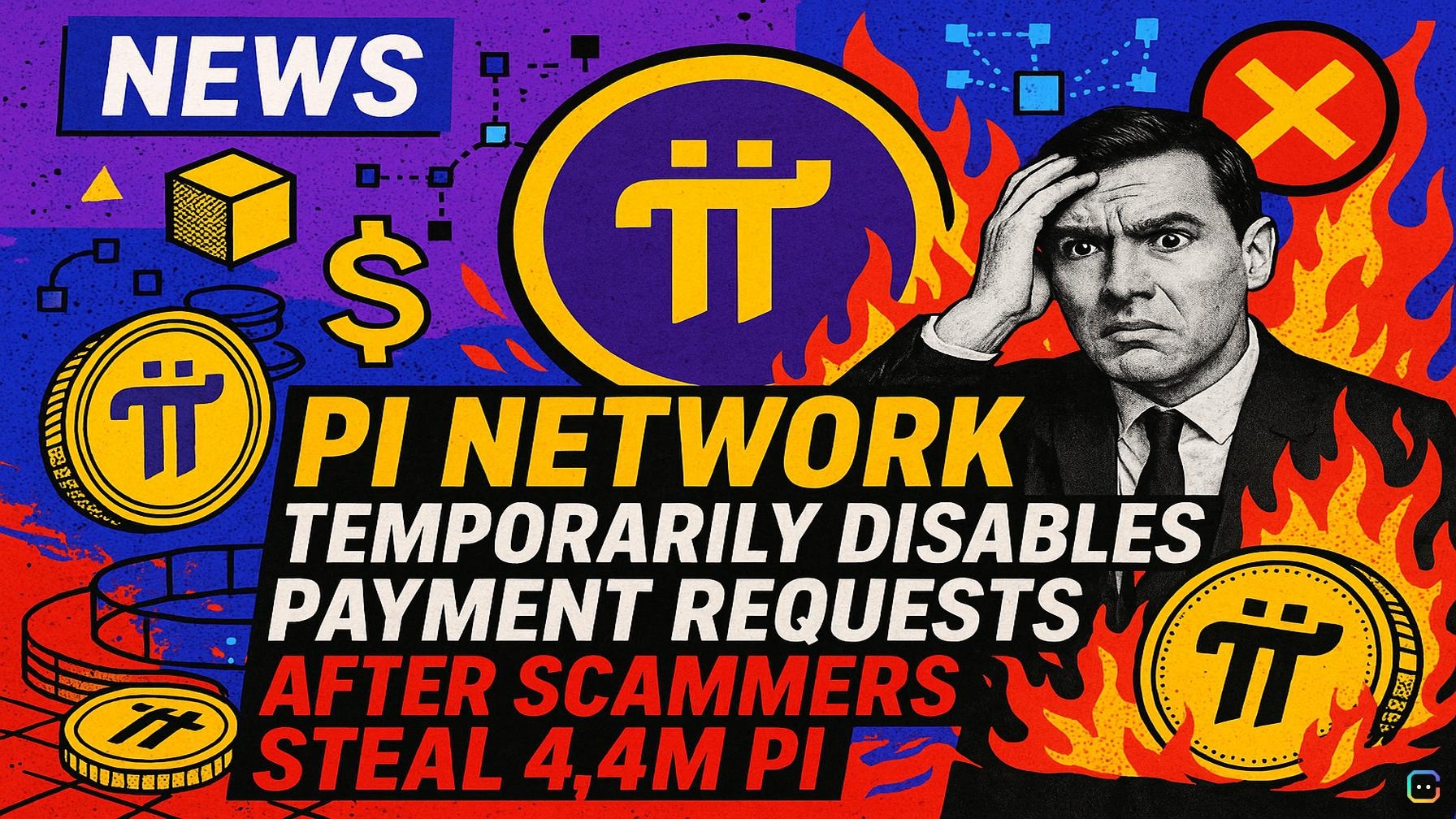
Pi Network has temporarily disabled its wallet “payment request” feature after a wave of sophisticated scams drained millions of PI from user wallets.
What happened
- The Pi Core Team announced the suspension on X, saying the move was prompted by a surge in social‑engineering attacks that exploit the payment request flow.
- On‑chain monitoring and community reports show scammers have taken more than 4.4 million PI by sending fraudulent payment requests to holders with large balances. One attacker address reportedly collected hundreds of thousands of PI each month throughout 2025.
- When users approve these payment requests the tokens move instantly to the attacker’s wallet and transactions cannot be reversed, leaving victims with no recourse once a transfer is authorised.
Why this worked
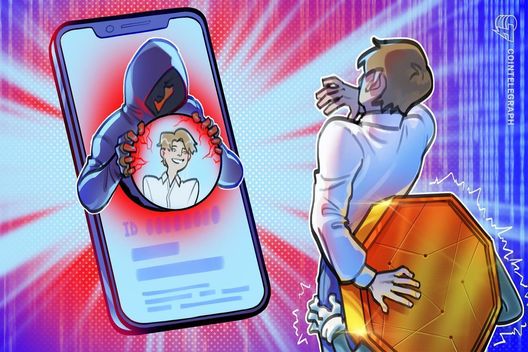
- The Core Team says this is not a protocol flaw but a social‑engineering problem. Because wallet addresses and balances are public on Pi’s blockchain, scammers can identify high‑value accounts and impersonate friends, moderators or even official pages to persuade targets to approve transfers.
- Fraudsters have also used phishing links, fake airdrop or price promotion pages, and counterfeit portals that request wallet credentials or private keys — tactics that can lead to full account takeovers.
Pi Network’s response
- The payment request feature has been disabled across the ecosystem while the team evaluates safeguards. The suspension is temporary, but no timeline for restoration has been provided.
- Meanwhile community moderators and safety advocates are urging users to decline all unsolicited payment requests and stick to official channels.
Security context and user guidance
- The scams are part of a wider uptick in deceptive schemes aimed at Pi users. The Core Team has repeatedly warned against sharing private keys, entering credentials on unverified sites, or clicking unknown links circulated via social media and messaging apps.
- Although independent analysts do not broadly label Pi Network itself a scam, its rapid growth, mobile‑first model and referral incentives have made its large user base an attractive target for fraudsters.
- Practical safety steps: refuse unsolicited payment requests, verify contact identities out of band, never share private keys or seed phrases, and only use official Pi channels and apps.
Market impact
- The suspension arrives amid mixed sentiment around the PI token. PI trades near $0.20, up roughly 1% over the past two weeks.
- The token’s price remains pressured by low liquidity and ongoing token unlocks, with significant additional supply entering circulation in recent months. Daily trading volumes are moderate, and the market has struggled to absorb the extra tokens.
Bottom line
Pi Network has taken an immediate, if temporary, step to curb losses after high‑value payment‑request scams siphoned millions of PI. Users should treat payment requests with extreme caution and follow core security hygiene while the platform works on longer‑term protections.
Read more AI-generated news on: undefined/news