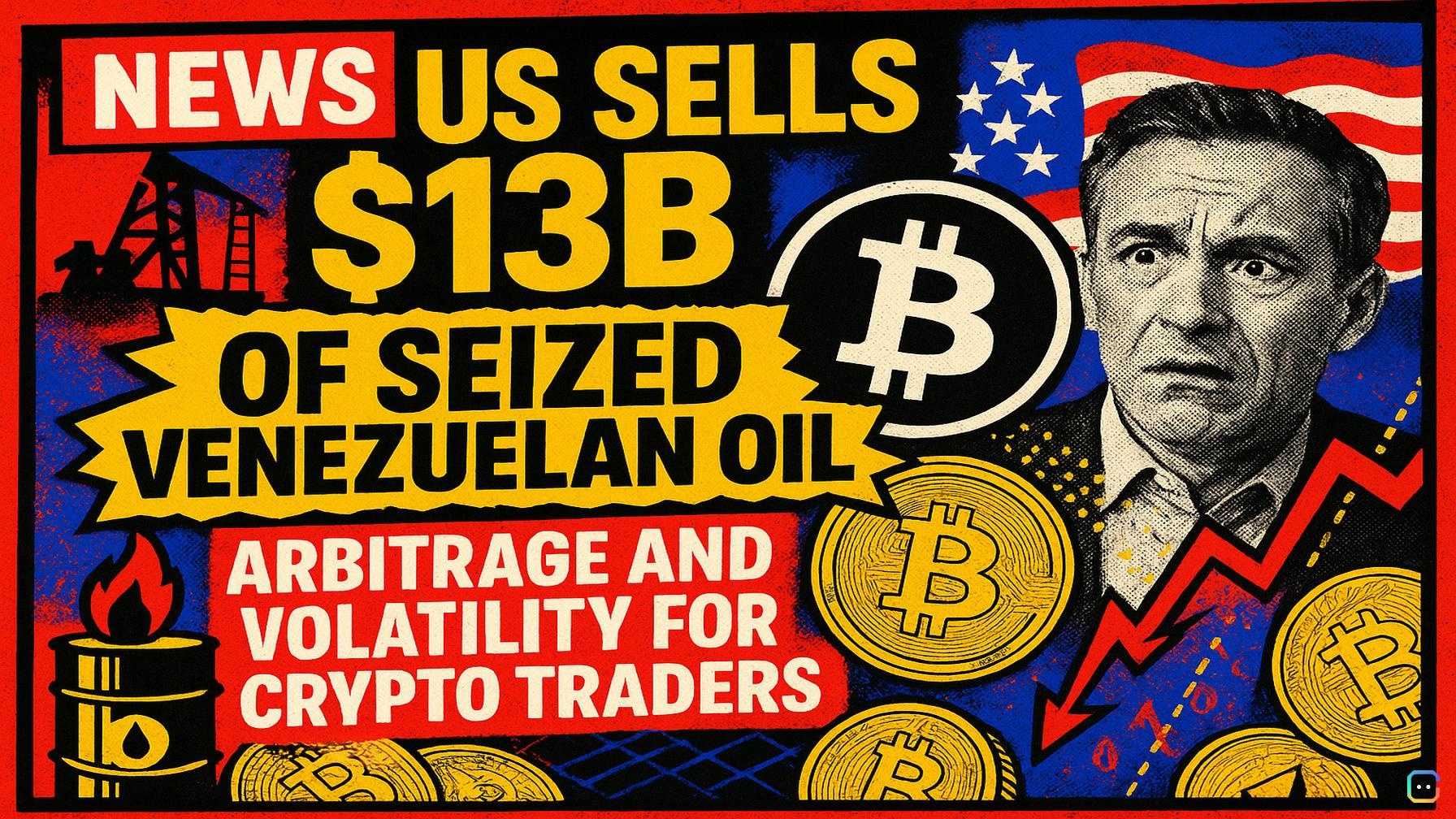
Headline: US Sells $13B of Seized Venezuelan Oil After 2025 Overthrow — What It Means for Markets (and Crypto Traders)
Summary: After a December 2025 military operation that toppled Nicolás Maduro, the U.S. moved to seize Venezuelan oil assets and put Washington in charge of their sale and distribution. According to the Financial Times, those sales have now generated roughly $13 billion — a figure President Donald Trump said “paid for that war many times over.” Critics accuse the administration of treating military action as an investment vehicle.
Key facts and figures
- The Financial Times reports the U.S. has realized about $13 billion from sales of seized Venezuelan crude. Trump made the remark about recouping war costs while speaking to reporters on Air Force One.
- Energy Secretary Chris Wright told Semafor the U.S. has sold more than 150 million barrels of Venezuelan oil since the seizure.
- Sales have been conducted at a discount of approximately $15 per barrel relative to prevailing market rates — a pricing incentive that helped attract buyers during a period of market uncertainty.
- Geopolitical pressure — in particular conflict between the U.S. and Iran and the temporary closure of the Strait of Hormuz — pushed global oil prices above $100 per barrel, boosting the value of the seized cargoes.
- Venezuela’s production and exports rose sharply after the takeover: output climbed from roughly 820,000 barrels per day (bpd) in January to about 1.23 million bpd by June 2026, and exports hit roughly 1.25 million bpd — the highest level since sanctions imposed in 2019.
Policy shift and market control
The Trump administration has changed how seized energy assets are managed after a military operation, moving from containment to active monetization. Washington retains control over the Venezuelan oil market established after the December 2025 takeover, a dynamic that has reshaped flows and pricing in a volatile macro backdrop.
Why crypto traders should care
- Commodity flows and sovereign asset seizures can create abrupt liquidity and price dislocations that ripple into broader markets, including tokenized commodity products and stablecoins collateralized by commodity exposure.
- Discounts and special-sale channels create arbitrage opportunities—and compliance headaches—for exchanges and token platforms that touch oil-backed instruments.
- Rapid shifts in supply from a major exporter like Venezuela can feed volatility into correlated assets, including commodity-focused crypto funds and derivatives.
Sources: Financial Times; Semafor. Critics of the policy argue the White House is effectively monetizing war, while the administration frames the sales as recovery of operational costs and stabilization of supply during global disruptions.
Read more AI-generated news on: undefined/news