Myanmar’s parliament approved a sweeping anti-online scam law on July 28 that could reshape how the country—and international partners—tackle crypto-linked fraud and scam centres, but key details remain opaque.
What passed
- The Pyidaungsu Hluttaw (combined Parliament) adopted the reconciled Anti-Online Scam Bill after the lower and upper chambers agreed on amendments.
- State media confirmed passage, but as of July 29 the final text, any presidential assent notice and a start date had not been published, leaving exact penalties and operational rules uncertain.
What’s in the draft (and likely carried forward)
- The 63-section draft published in May targeted digital-currency fraud, organised online scam centres, forced scam labour and the financial/telecom infrastructure that supports fraud networks.
- Proposed penalties ranged from 10 years to life imprisonment for running scam centres or committing “digital currency fraud.” The draft also criminalised recruitment, financial facilitation and telecommunications support tied to organised online fraud.
- For use of violence, torture, unlawful detention or cruel treatment to coerce people into scam work, the draft allowed life imprisonment or the death penalty, with capital punishment mandatory where the conduct resulted in death. A lower-house lawmaker told AFP the death-penalty provision was retained and that “not many significant changes” were made to the bill’s key sections.
- The draft would create a central committee, regional bodies and an Anti-Scam Centre, enable information sharing between banks, telcos and state agencies, authorise coordination with foreign governments, and set out procedures for freezing suspicious accounts and confiscating proceeds and equipment.
Human-rights and oversight concerns
- Human Rights Myanmar warned the bill could be repurposed as a tool of repression, citing broad surveillance powers, account-freezing and website-blocking authorities that might be used against journalists, civil society and political opponents. The group also highlighted concerns about capital punishment and the absence of independent oversight. These critiques remain difficult to evaluate until the final law and implementing rules are published.
Why this matters to crypto markets and enforcement
- The law targets the crypto infrastructure and cross-border payment routes used by scam networks and could empower authorities to identify and freeze illicit crypto holdings—tools already used in recent cases.
- U.S. authorities in April charged two Chinese nationals over an alleged crypto-investment fraud compound in Myanmar and announced restraints on roughly $700 million in cryptocurrency, alongside website seizures. U.S. seizures also included a fraudulent investment domain linked to a Burma compound. India is also investigating alleged trafficking of its citizens into Myanmar to work in crypto scams.
- Effective enforcement will require banks and telecoms to build reporting and information-sharing systems, plus significant international cooperation because victims, operators, payment channels and digital assets routinely cross borders.
The broader context: scam-centre networks remain active
- Satellite analysis reviewed by Wired found at least 25 suspected scam sites built or expanded around Myawaddy in the first half of 2026. The International Justice Mission said this construction indicates prior crackdowns did not dismantle the networks.
- A UN Office on Drugs and Crime assessment in July reported fraud groups are adapting to raids by dispersing, relocating and moving to smaller, more evasive operations.
What’s next
- Publication of the final amended law should clarify whether the president has assented, when the law takes effect, which agencies get enforcement powers and whether transitional provisions apply.
- The real test will be enforcement: will authorities pursue senior operators and the financial networks that sustain them, protect trafficking victims, and apply due process—rather than relying mainly on raids that target low-level workers?
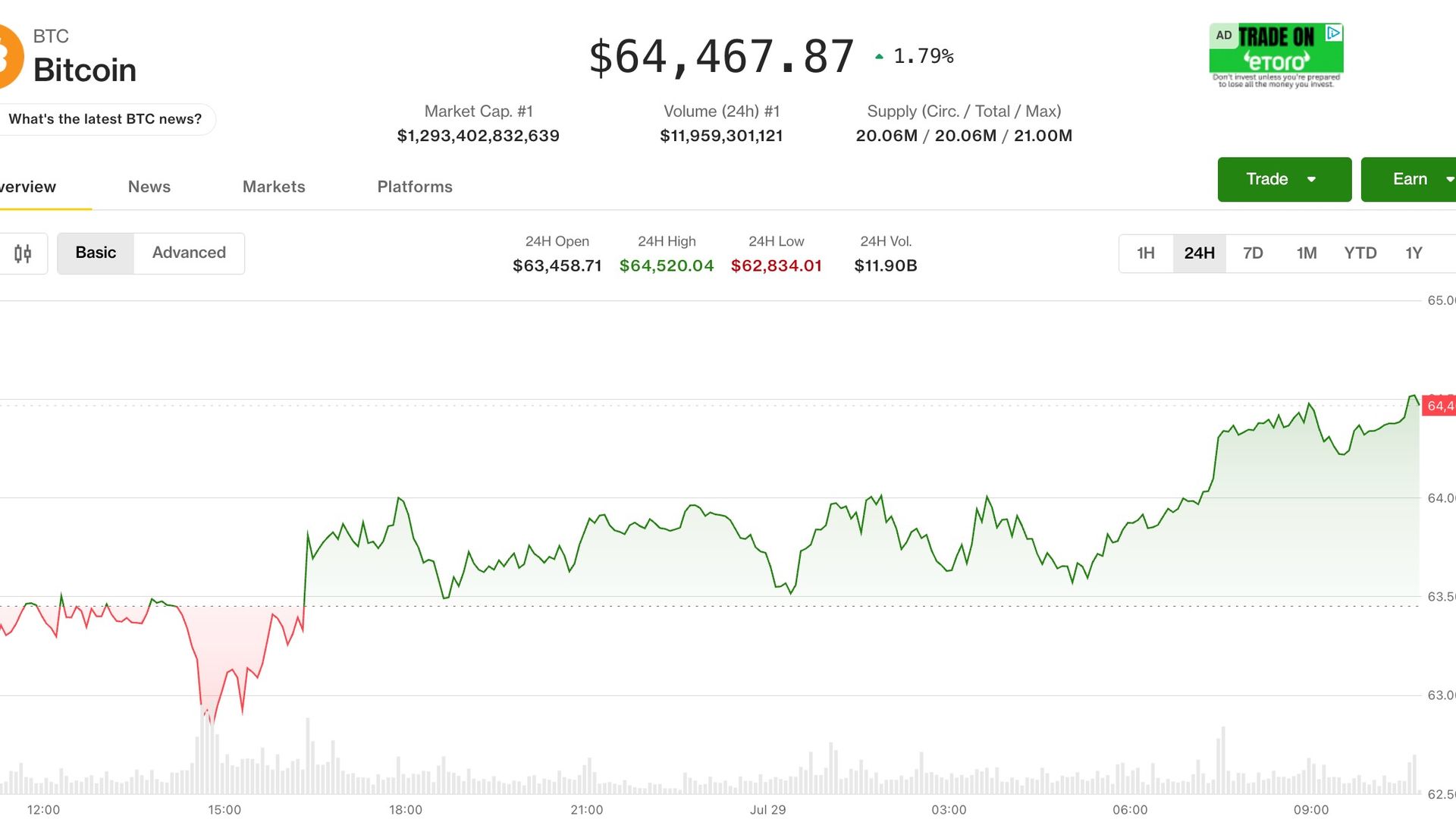
No clear crypto-market price moves have been directly tied to the parliamentary vote so far. For the crypto industry and investigators, the focus will be on the legal text, how it’s implemented, and whether it actually disrupts the cross-border financial flows that sustain Myanmar-linked scam operations.
Read more AI-generated news on: undefined/news