Grayscale’s head of research, Zach Pandl, says Bitcoin’s worst may already be behind it—if the Federal Reserve stops raising interest rates.
Where the bottom comes from: two competing reads
Grayscale Research lays out two ways to think about when this bear market might end.
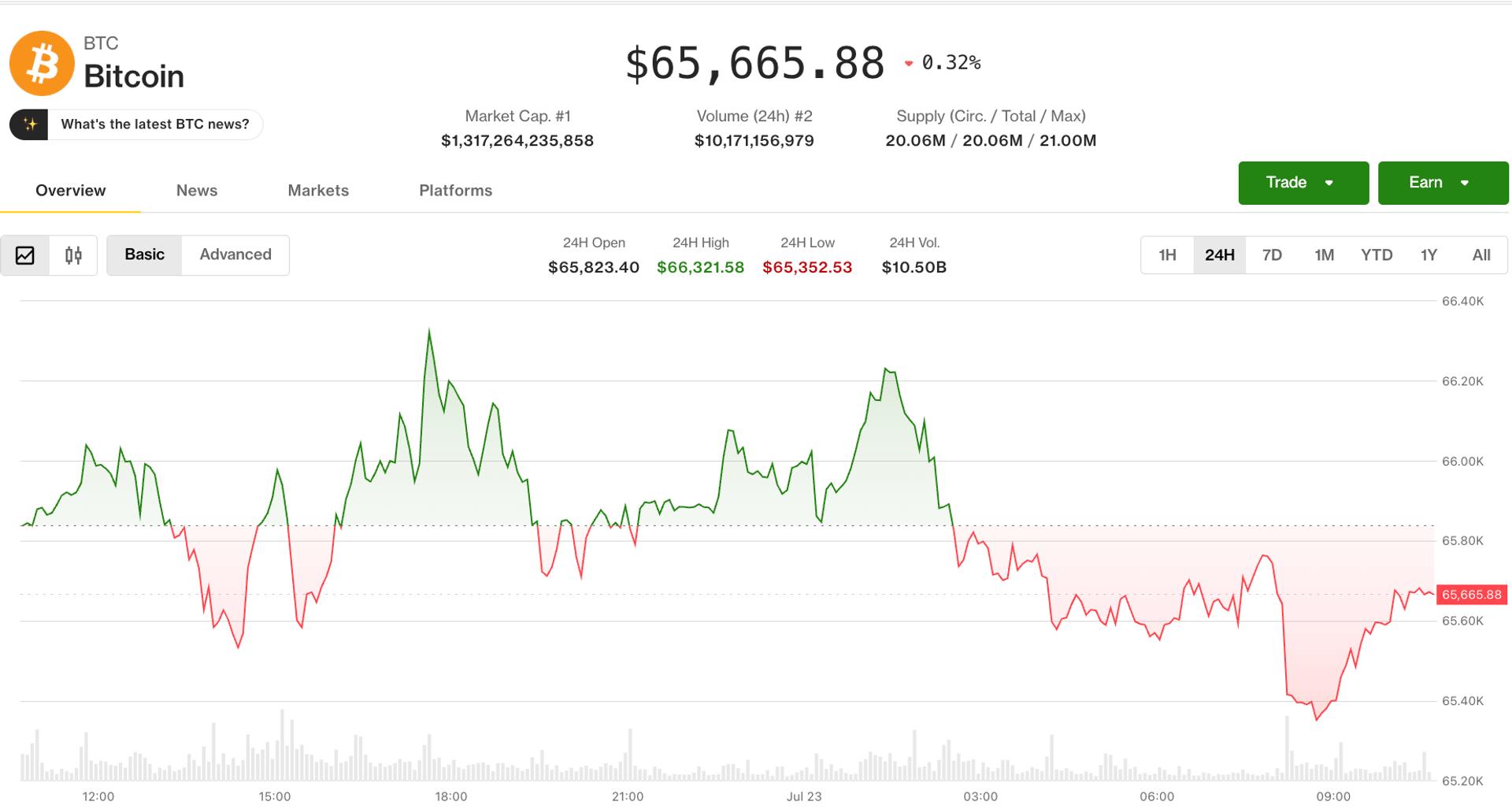
- The “cycle” view: Bitcoin has historically bottomed about a year after its cycle peak and roughly 2.5 years after each halving. Past crashes produced mean drawdowns near 80%. Applied to the current cycle, that model implies more downside and a potential low in September or October—possibly well below the $60,000 area BTC recently traded through.
- The “macro” view (Pandl’s pick): Bitcoin is behaving increasingly like a mature macro asset, trading in step with growth expectations, real interest rates and central bank policy. If the Fed finishes tightening and growth stays stable, that macro-driven low might already be in—even though the 4‑year cycle framework points to a longer bear market.
Why Pandl favors the macro story
Pandl argues that institutional adoption has changed Bitcoin’s market dynamics. As more allocators and corporate treasuries hold BTC, macro variables—especially Fed policy and real borrowing costs—matter more than strict halving-timing patterns. In short: Bitcoin now moves with the rest of the market.
Key conditions that could lock in a bottom
Grayscale’s June note had outlined three conditions it saw as central to whether Bitcoin could secure a cycle low:
1) Progress on federal market-structure legislation for digital assets (the so-called CLARITY Act).
2) Improved balance-sheet stability at MicroStrategy (the largest corporate Bitcoin holder).
3) The Fed pausing rate hikes.
Their base case assumed the bill would clear the Senate, MicroStrategy would shore up liquidity, and the Fed would avoid further hikes. If that trio holds, Grayscale expects less chance of another massive drawdown. But if those tailwinds fail—if CLARITY stalls, treasuries keep deleveraging, or inflation forces further rate hikes—Pandl says more downside is still possible.
The CLARITY Act and political risk
The CLARITY Act would create a federal market structure and rules for exchanges, developers and token issuers. Grayscale’s prior update noted the bill reached the Senate calendar after committee approval, but it still needs floor debate, possible amendment and 60 votes—so passage isn’t guaranteed this year.
MicroStrategy’s move and why it matters
Concerns about forced selling by large corporate holders intensified after Bitcoin slipped under $60,000 and ETF outflows and leveraged liquidations added pressure. Since Grayscale’s June note, MicroStrategy sold 3,588 BTC for roughly $216 million. Grayscale frames that sale as a stabilizing move: proceeds covered preferred-share dividend obligations and beefed up MicroStrategy’s dollar reserve to about $2.55 billion—enough to cover nearly 17 months of dividend payments under then-current obligations.
Grayscale says the larger cash buffer reduces the likelihood of emergency funding needs or further forced Bitcoin sales from MicroStrategy. Under the company’s updated treasury framework it can issue equity or sell BTC to maintain dollar liquidity for dividends—steps Grayscale sees as reducing balance-sheet uncertainty. The announcement initially nudged BTC toward $61,000 before the market recovered above $63,000.
Bottom line
Pandl’s optimistic scenario is simple: if the Fed stops hiking while growth remains stable—and political and corporate balance-sheet risks ease—Bitcoin may have already found its floor. But the call hinges on those macro and policy outcomes. If inflation forces more tightening, growth softens, or legislative progress stalls, the current low could prove temporary and deeper selling may follow.
Read more AI-generated news on: undefined/news