Tesla ended Q2 still holding 11,509 BTC — but the crypto position generated a $112 million after-tax mark-to-market loss for the quarter, the company disclosed in its shareholder update.
What happened
- Tesla neither bought nor sold Bitcoin during the three months ended June 30, keeping its 11,509-coin reserve unchanged since the big sell-down in 2022. Blockchain tracker Arkham Intelligence also shows 11,509 BTC in wallets tied to the company.
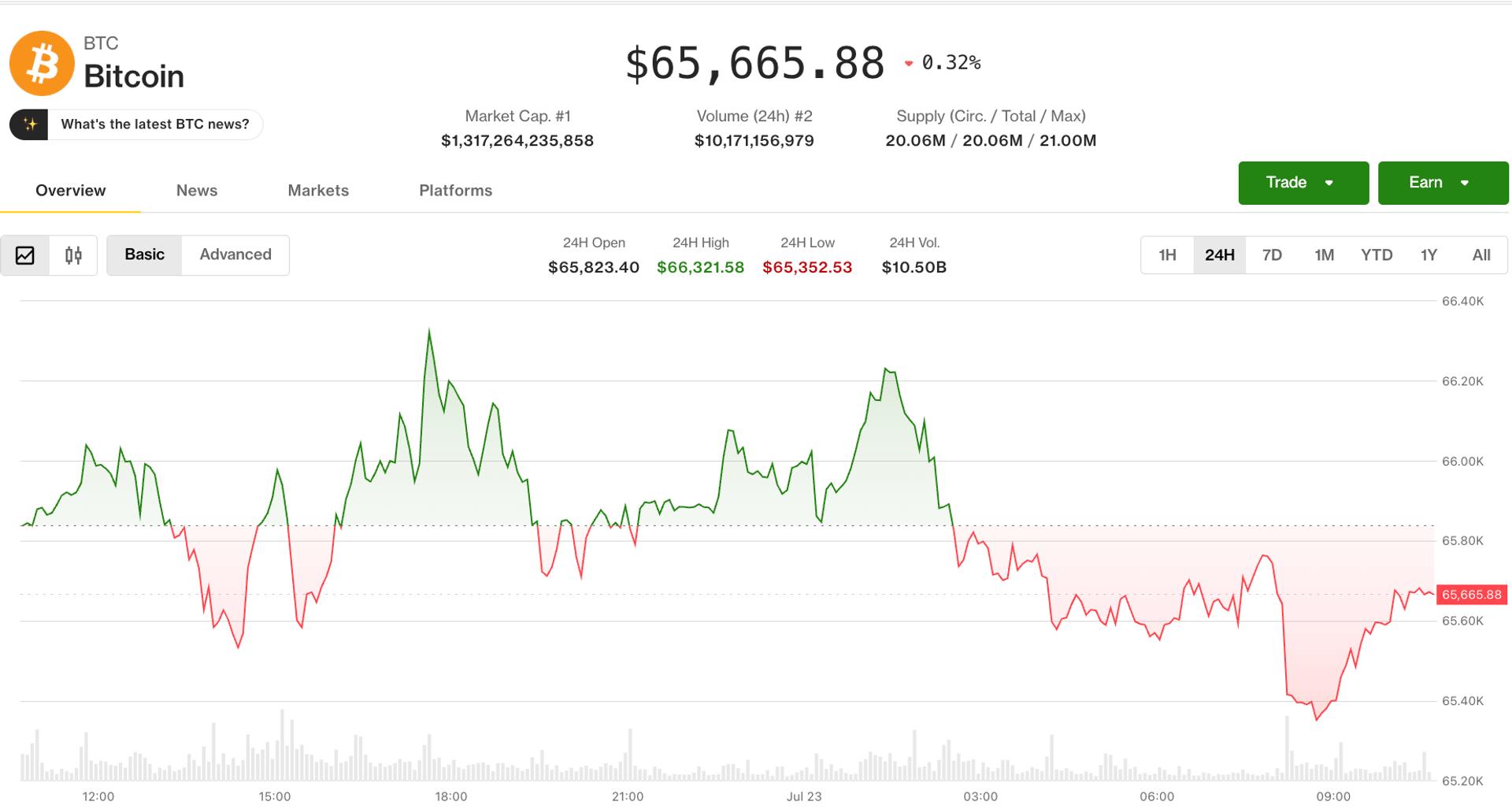
- Bitcoin’s wild price swings drove the loss. BTC traded near $83,000 at the start of the quarter, slid as low as roughly $58,000 in late June, and had recovered to about $65,840 by the time Tesla published results. Because Tesla now values digital assets at fair market value each reporting date, quarterly gains and losses are recorded through earnings — so the rebound came too late to erase the quarter’s hit.
Accounting context
- In 2024 Tesla adopted the Financial Accounting Standards Board’s updated crypto accounting standard. Under the new rules, eligible crypto assets are carried at current market prices and mark-to-market gains or losses are recognized in earnings each quarter.
- That makes the $112 million an after-tax fair-value (mark-to-market) loss, not an impairment charge under the old model. Previously, impairment accounting forced companies to book declines but blocked recognition of recoveries unless the asset was sold.
Position value and history
- Using the roughly $65,840 price at release, Tesla’s 11,509 BTC position would be worth about $758 million, though the accounting value depends on the exact quarter-close price.
- Tesla’s crypto journey began in February 2021, when it disclosed a $1.5 billion Bitcoin purchase aimed at diversifying cash. The company briefly accepted BTC payments in the U.S. before pausing that option in May 2021 over energy-use concerns.
- In Q2 2022 Tesla sold roughly 75% of its holdings — converting about $936 million of Bitcoin into cash — citing COVID-related uncertainty in China and a need to bolster cash reserves rather than a loss of faith in Bitcoin.
- The remaining coins have stayed on the balance sheet through sharp cycles: BTC’s drop below $16,000 in late 2022, subsequent recoveries, and the recent swing toward $58,000.
Broader financial picture
- The $112 million digital-asset loss is a non-cash, volatility-driven item and not a cash outflow tied to a Bitcoin sale. It’s relatively small compared with Tesla’s other financial moves and investments.
- Q2 highlights: revenue of $28.2 billion (beating the ~ $26.4B Street estimate and up from $22.5B a year earlier); adjusted EPS of $0.33 (missed estimates); net income about $1.11 billion (vs. $1.17B a year earlier); vehicle deliveries of 480,126 cars (roughly +25% YoY).
- Profitability pressures remain: automotive gross margin (ex-regulatory credits) was 16.3% vs ~15% a year earlier but below the 19.2% in Q1 2026. Free cash flow was negative $1.1 billion as Tesla continues heavy spending on AI infrastructure, manufacturing, robotaxi development and its Optimus humanoid program. The company ended the quarter with around $43.5 billion in cash and investments.
What to watch
- Tesla’s Bitcoin position is unchanged and remains exposed to price swings at future quarter-ends. Given the mark-to-market accounting regime, similar quarterly earnings volatility from the crypto line is likely to continue unless Tesla changes its holdings or sells coins.
Read more AI-generated news on: undefined/news