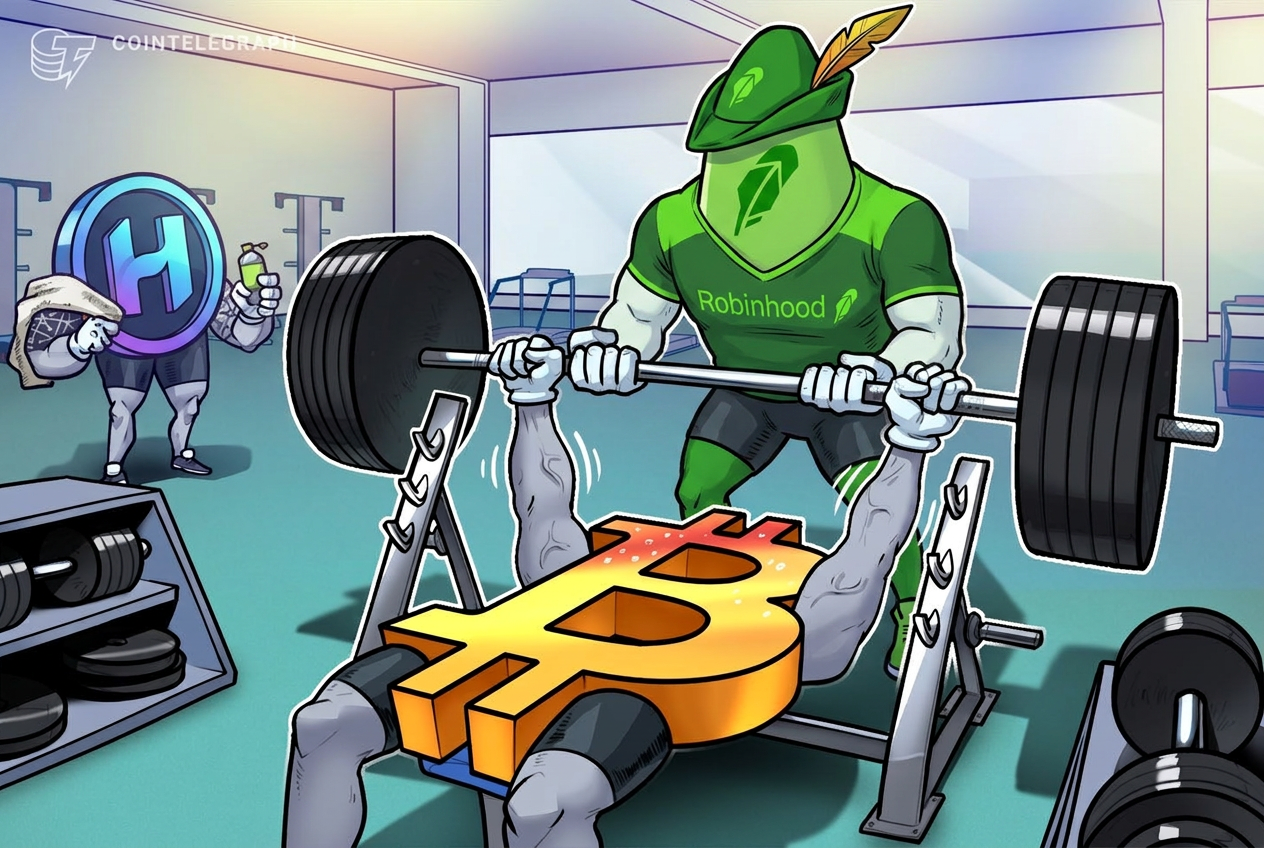
S&P Dow Jones Indices and Pantera Capital have launched a new way to benchmark crypto networks — and it intentionally leaves Bitcoin off the podium.
The S&P Pantera Digital Asset Index is an 18-asset, revenue-focused index that ranks blockchains by the protocol revenue they generated over the previous two quarters. Rather than leaning on token prices or market capitalization alone, the index measures on-chain economic activity — fees and other revenues that flow to networks — and uses that data to decide which assets qualify and how they’re ranked.
Why Bitcoin is excluded
S&P’s methodology disqualified Bitcoin not because of size or liquidity, but because Bitcoin doesn’t meet the index’s revenue criteria. As S&P Dow Jones Indices CEO Kathy Clay put it, “Bitcoin is not in there because it’s really not one of those revenue-generating protocols that we think belongs in this index and meets all of the criteria.” Bitcoin’s incentives come largely from issuance and miner rewards, whereas this new benchmark favors blockchains that collect recurring fees from transactions, trading, and applications.
How the index works
- Eligible assets are drawn from the S&P Cryptocurrency Broad Digital Asset Index and must pass minimum screens for protocol revenue, market capitalization and liquidity.
- Qualifiers are ranked by total protocol revenue over the two most recent quarters.
- Final weights are set by adjusted market capitalization, with the largest constituent capped at 35% and most others generally limited to 20%.
- The index rebalances quarterly, allowing constituents to be added, removed, or resized as revenue and liquidity change.
Who benefits
S&P says the index is designed to support investment products, institutional allocations and actively managed digital-asset portfolios by applying principles from traditional equity indexing — namely, focusing on metrics that matter to professional investors rather than raw market-cap concentration.
Launch makeup and market context
At launch, the five largest positions are Ether, BNB, Solana, TRON and Hyperliquid’s HYPE token — networks that generate measurable fee activity through transactions and apps. Notably, Bitcoin and XRP, two of the largest assets in the broader S&P crypto universe, failed to meet the revenue screens and were excluded.
That contrasts with many market-cap-weighted benchmarks that skew heavily toward Bitcoin: when the S&P Pantera index debuted, Bitcoin made up roughly 57% of the total crypto market (CoinGecko). The Nasdaq CME Crypto Index assigned Bitcoin nearly 77% weight, and the FTSE Digital Asset All Cap Index placed about 75% of its weight in Bitcoin — illustrating how market-cap methods can concentrate exposure in the largest token.
Partnership and industry moves
S&P provides index construction and governance experience; Pantera brings crypto-native expertise in blockchain economics. The launch follows other S&P moves into digital assets, including the S&P Digital Markets 50 Index (October 2025), which mixes cryptocurrencies with public companies in the digital-asset ecosystem.
The broader index market is also evolving: Hashdex’s Nasdaq Crypto Index US ETF, Franklin Templeton’s Franklin Crypto Index ETF (EZPZ) and MarketVector/Coinbase’s Coinbase Store of Value Index (which pairs Bitcoin with tokenized gold) illustrate how index rules shape exposures. Franklin’s ETF expanded its underlying index beyond BTC and ETH to include XRP, Solana, Dogecoin, Cardano, Stellar and Chainlink, showing how rules-based funds adapt as assets meet eligibility and regulatory standards.
Why it matters
By centering on protocol revenue, the S&P Pantera Digital Asset Index offers a different lens on crypto value — one that rewards ongoing network utility and fee generation rather than pure token size. As the market matures and use cases multiply, proponents argue such revenue-focused, diversified benchmarks could help investors gain exposure to activity-driven networks without depending solely on the market-cap leaders.
In short: the new S&P–Pantera index sidelines Bitcoin not out of snobbery but by design, favoring blockchains that demonstrably generate protocol revenue — and giving institutional investors a fresh, activity-based benchmark for portfolio construction.
Read more AI-generated news on: undefined/news