Headline: Russia’s crypto law nears finish line as State Duma schedules final readings for July 21
Russia’s lower house of parliament is set to take the next major step toward a formal crypto framework: the State Duma will hold the second and third readings of draft bill No. 1194918-8, titled “On Digital Currency and Digital Rights,” on Tuesday, July 21. The bill was recommended for adoption in its second reading on July 16 and is now poised for final parliamentary votes.
What the bill would do
- Create a legal framework for crypto trading, investor access and cross-border transactions under supervision from the Bank of Russia. Licensed exchanges, brokers and other regulated intermediaries would operate within that system.
- Keep domestic payments with crypto banned, treating digital assets primarily as investment instruments and for certain international transactions.
- Continue and expand Russia’s experimental approach to using crypto in foreign trade, while aiming to give businesses more leeway to use digital assets in export/import operations.
Investor limits and transfer rules
- Non-qualified (retail) investors would be capped at 300,000 rubles (~$3,800) in crypto purchases per year via a single regulated intermediary; transfers abroad would carry a separate ceiling of 100,000 rubles.
- Qualified investors would see higher thresholds: up to 3 million rubles in purchases and up to 1 million rubles transferable abroad.
- The bill also introduces monitoring measures (balances and transaction volumes rather than wallet-address disclosure) and could allow certain large transfers to foreign or third-party accounts to be held for up to 48 hours.
What changed during passage
- The State Duma approved a first reading in April. Since then, lawmakers removed a proposed requirement to disclose wallet addresses and shifted focus to aggregate data and transaction flows.
- Lawmakers have also refined the licensing regime and investor protections as the bill moved through parliamentary committees.
Wider context
- Russia has been experimenting with legal regimes that permit some companies to use crypto for international settlements while permanent rules are developed.
- Separate legislation on stablecoins is also under development, targeting international payments use cases.
- Outside Russia, regulators in the EU and UK have increased scrutiny of crypto services and networks linked to Russian entities amid sanctions concerns.
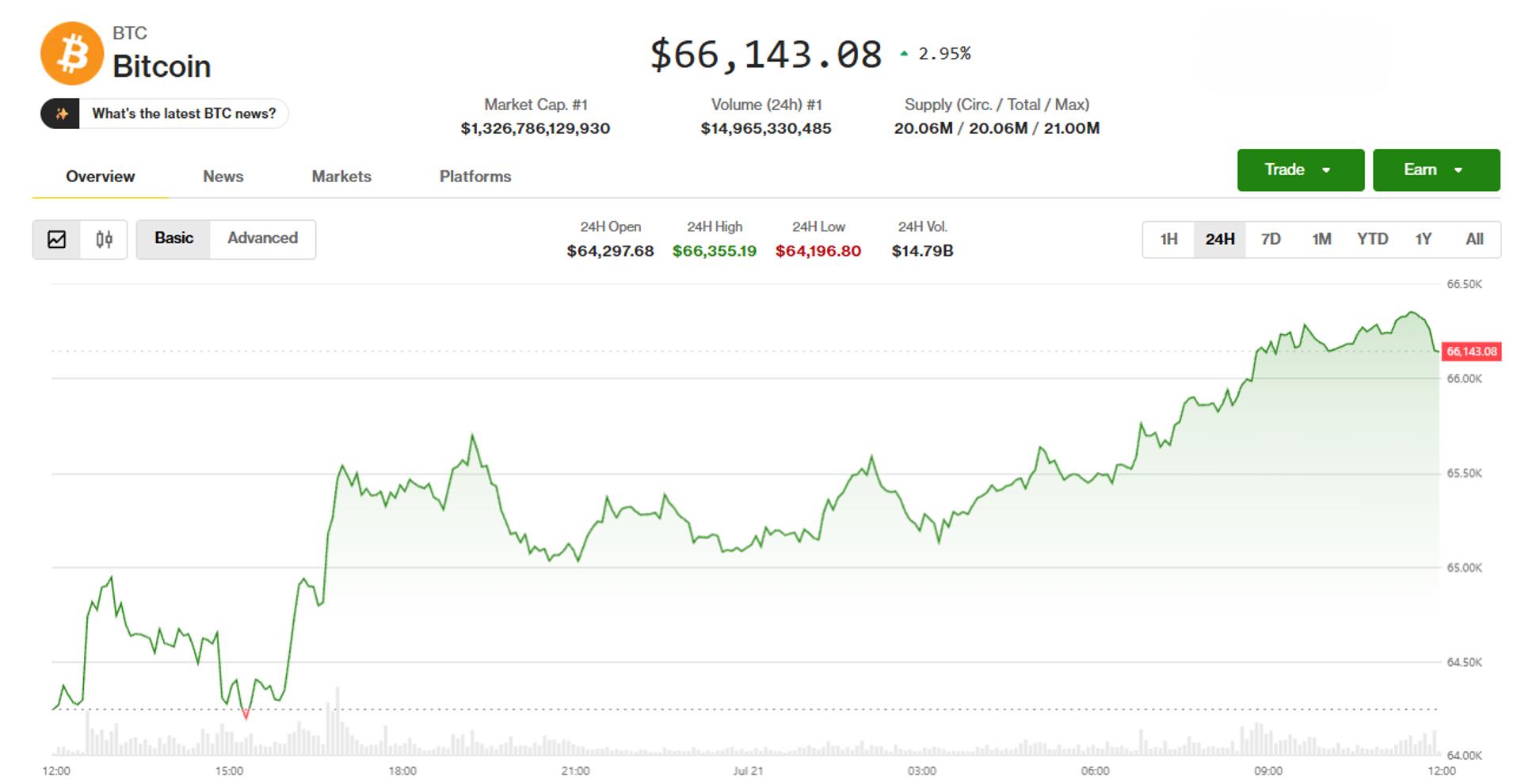
Timing and market backdrop
- If the remaining approvals go through, the main provisions are expected to take effect on Sept. 1, 2026 — a delay from an earlier July target, attributed to extended inter-agency coordination.
- Russian Finance Ministry estimates cited earlier put domestic crypto trading volume at about 50 billion rubles per day (~$640 million), much of it currently outside regulated channels.
Why it matters
Tuesday’s second and third readings are the next critical step in formalizing Russia’s long-developing approach to digital assets. The final text will determine how strict investor caps, the licensing regime and cross-border transaction controls will be in practice — shaping how crypto activity is channeled into regulated markets in Russia.
Read more AI-generated news on: undefined/news