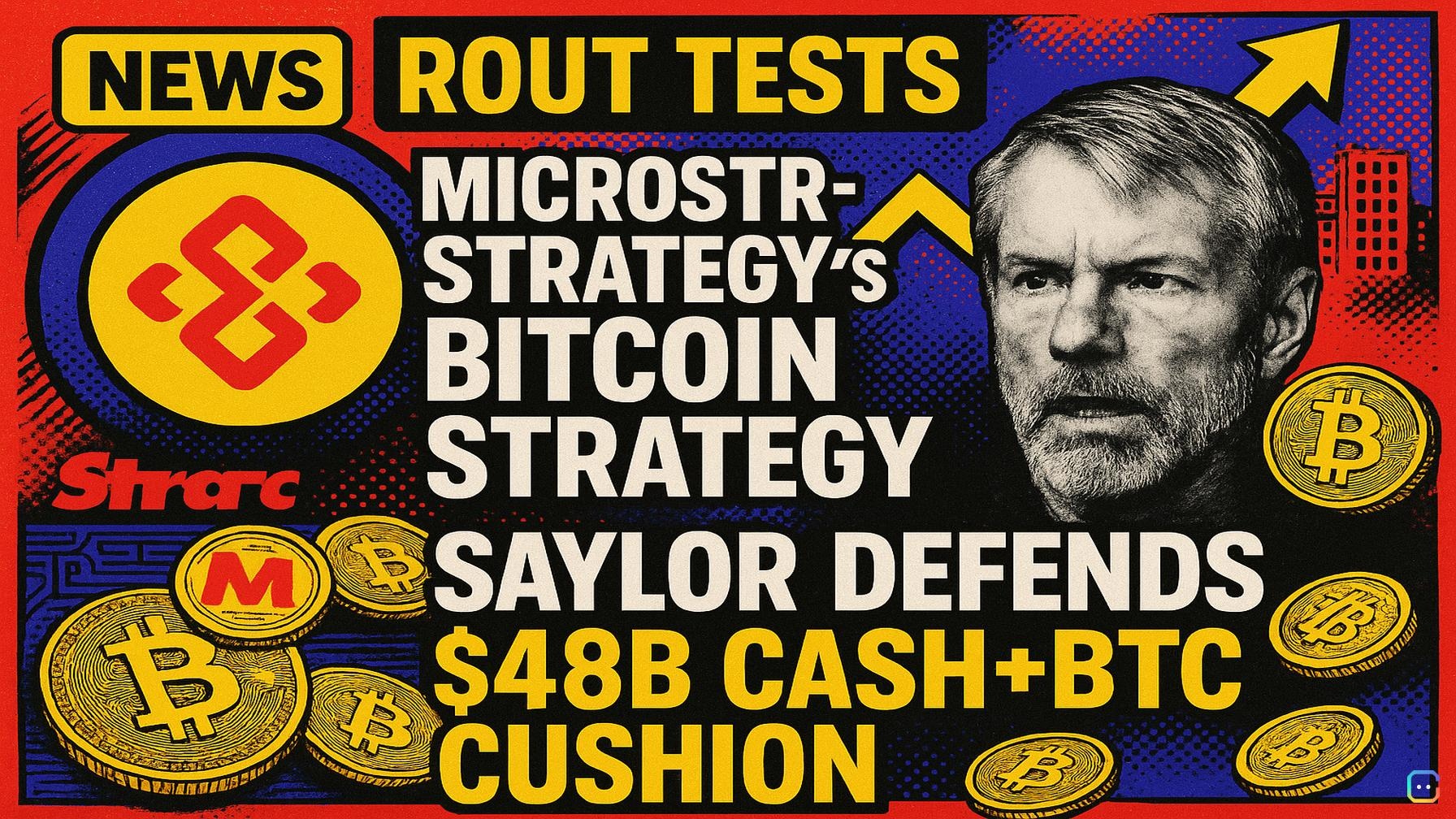
MicroStrategy CEO Michael Saylor has pushed back after a sharp drop in STRC — the company’s Bitcoin-linked preferred stock — ignited criticism and even fraud allegations from some corners of the market.
In a June 20 post on X, Saylor defended MicroStrategy’s capital strategy, saying the company’s combined Bitcoin and cash reserves now exceed its outstanding debt by about $48 billion. He added that since 2022 MicroStrategy has raised more than $60 billion of additional capital and used those proceeds to buy Bitcoin.
Saylor contrasted that position with the company’s situation in late 2022. Back then, MicroStrategy held roughly 130,000 BTC (about $2.6 billion when Bitcoin traded near $20,000). After Bitcoin briefly slid below $16,000, the company’s debt temporarily exceeded its cash-plus-BTC reserves by roughly $300 million and MSTR shares fell from about $24 to the low-$13 range (split-adjusted). “We stayed focused, strengthened the company, and executed our strategy,” Saylor wrote, noting the company has since added more than 716,000 BTC.
The reality now: investors are split over whether STRC’s selloff signals a structural problem with MicroStrategy’s financing model. Bitcoin critic Peter Schiff has gone further, publicly suggesting investors might pursue legal action and alleging Saylor breached SEC marketing rules in promoting the preferred stock offering.
Several market observers have floated alternative responses to the STRC pressure. Arca CIO Jeff Dorman estimated there’s a roughly 25% chance MicroStrategy would need to sell $3–4 billion of Bitcoin to support the preferreds. His base case — assigned about a 70% probability — is that the company will instead continue to sell small amounts of MSTR shares, keeping Bitcoin holdings largely intact while potentially inflicting more pain on common shareholders.
Defenders of Saylor and MicroStrategy have been vocal as well. David Gokhshtein argued on X that Bitcoin’s price cannot be pinned on one individual and dismissed comparisons to the collapsed Terra ecosystem. Bitcoin advocate Samson Mow called STRC a “brilliant instrument,” likening it to his idea of “Bitcoin Bonds” that strip volatility while sharing upside; he said there’s no structural flaw in the security unless investors believe Bitcoin will fail to appreciate over the long term.
Liquidity concerns remain part of the debate. Market maker QCP estimated MicroStrategy’s available resources could cover preferred dividend obligations for roughly seven and a half months. QCP noted that if traditional financing channels become less attractive, the company may ultimately need alternative funding — with Bitcoin sales among the possible options.
Bottom line: MicroStrategy insists its balance sheet and long-term strategy remain intact after a turbulent period in 2022, but STRC’s decline has reopened questions about financing durability and potential remedies — from issuing equity to selling Bitcoin — as the market weighs risk versus conviction in Saylor’s Bitcoin-focused playbook.
Read more AI-generated news on: undefined/news