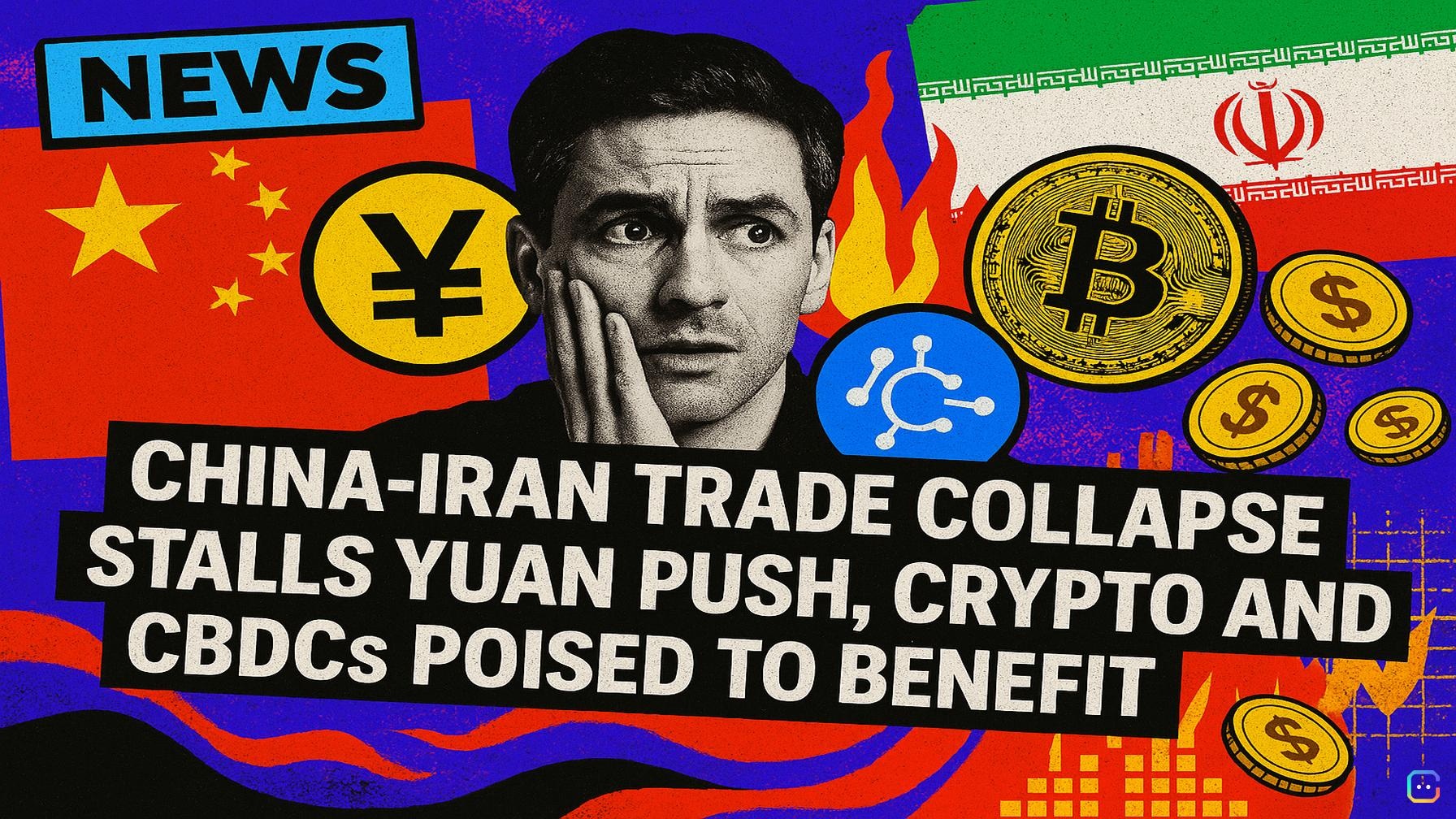
The fallout from the Middle East conflict is starting to hit BRICS members in the wallet — and China may be feeling it most. New data from China’s General Administration of Customs show a sharp pullback in trade with Iran: overall trade turnover between the two countries has plunged by 56.7%, and Chinese imports of Iranian goods fell by $415.5 million in Q2.
That slump follows a reported trade turnover figure of $1.55 in Q1 2026 (as published), underscoring a sharp downturn in April that analysts link to the wider geopolitical shockwaves. Iran — long hit by Western sanctions — is already economically strained, but Beijing’s exposure makes the decline politically and financially meaningful for a major BRICS economy.
One clear casualty: the push to internationalize the Chinese yuan. China had been steering yuan-denominated settlements with Iran to blunt sanctions risk and promote its currency abroad. With bilateral trade contracting, usage of the yuan in settlements is cooling — a setback for the Xi administration’s broader ambitions to expand the yuan’s global footprint.
The slowdown isn’t limited to China. Other BRICS partners are also pulling back trade with Iran, amplifying Tehran’s financial vulnerabilities on top of mounting US sanctions. Even Iran’s temporary disruption of shipping through the Strait of Hormuz — reportedly lasting nearly five weeks — did not avert significant economic pain.
All this will shape conversations at the upcoming BRICS summit in New Delhi. China, Russia and Iran are expected to continue pressing the case for de-dollarization and greater use of local currencies in cross-border trade. But several BRICS members remain cautious: changing the global financial order typically requires organic economic shifts, not just political will.
For the crypto community, this moment deserves attention. Geopolitical pressure on traditional payment channels and renewed talk of currency alternatives could accelerate interest in alternative settlement rails — from bilateral currency swaps and CBDC experiments to private crypto and stablecoin solutions. Whether those tools will replace entrenched dollar-based systems remains uncertain, but the current crisis highlights why many nations are actively exploring digital and non-dollar options for cross-border value transfer.
Read more AI-generated news on: undefined/news