A bipartisan pair of senators have introduced new legislation aimed at tightening the net around crypto fraud and scams by giving law enforcement and regulators better tools and coordination to identify and prosecute bad actors.
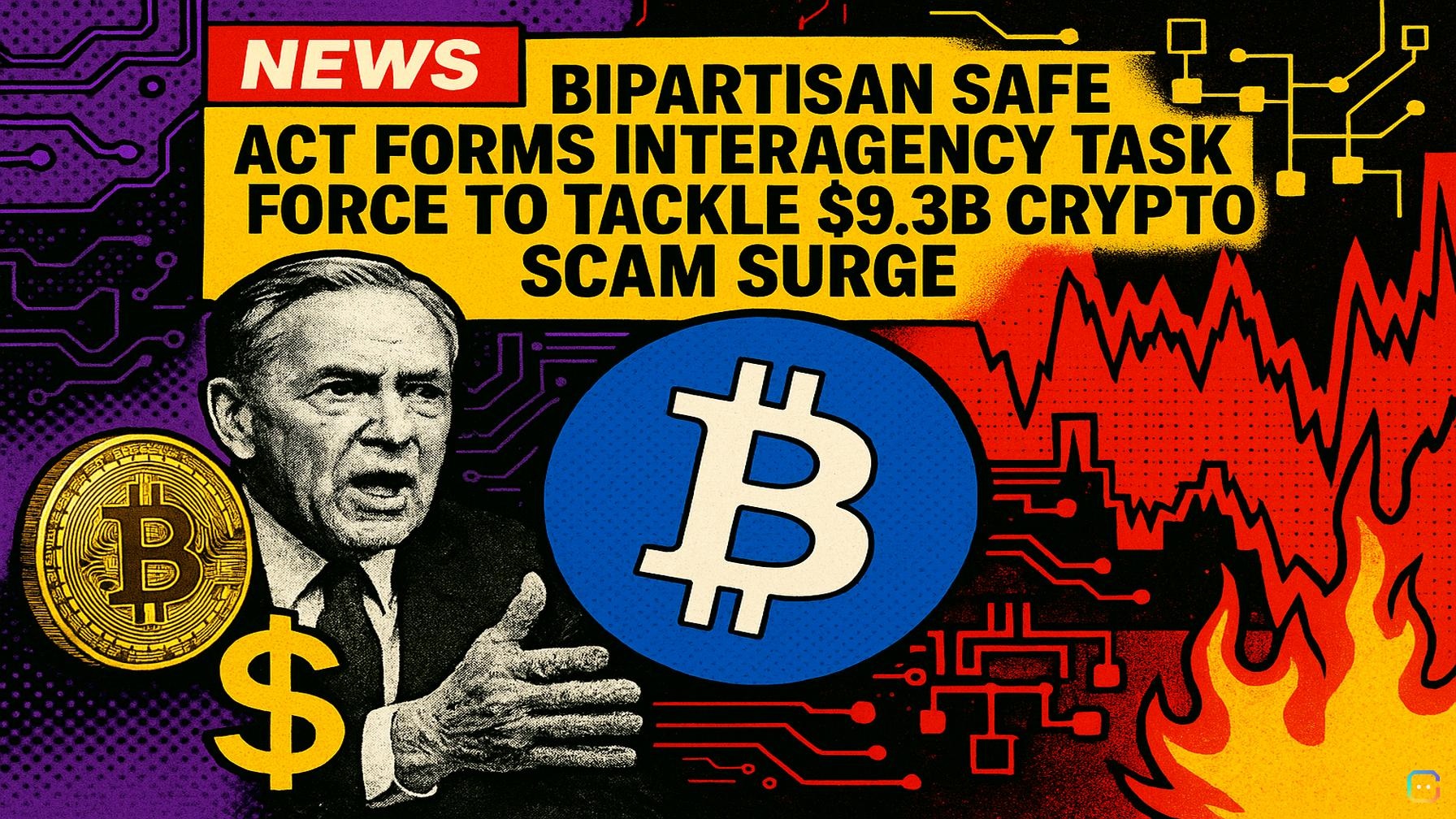
The Strengthening Agency Frameworks for Enforcement of Cryptocurrency (SAFE) Act — filed Monday by Democrat Elissa Slotkin and Republican Jerry Moran — would create an interagency task force to align the US Treasury, law enforcement, regulators and private-sector partners on investigating crypto-related crime. “This task force… will allow us to draw upon every resource we have to combat fraud in digital assets,” Slotkin said.
The push comes as crypto-related investment scams surged: the FBI reported Americans lost $9.3 billion to such scams in 2024, a 66% jump from 2023. Victims over 60 were hit hardest, suffering about $2.84 billion of those losses. Regulators caution that those figures include any investment scam that mentions crypto as part of the pitch, meaning not every case involved actual blockchain transactions or tokens.
Supporters say the SAFE Act would elevate enforcement capacity by formalizing cooperation among top officials — including the attorney general, the director of the Financial Crimes Enforcement Network (FinCEN) and the director of the U.S. Secret Service — and by tapping industry partners for real-time assistance. Gabriel Shapiro, general counsel at crypto investment firm Delphi Labs, predicted a strong enforcement push could rattle criminals: in an X post he said scammers “will probably end up shitting themselves if this goes hard,” noting the senior officials who would help lead the effort.
Private-sector blockchain forensics firms are already prepared to help. TRM Labs’ vice president and global head of policy, Ari Redbord, said collaboration with government agencies would make it easier to trace and disrupt illicit networks in real time — a capability that proponents argue is underutilized today. Shapiro also noted that securities and commodities regulators have not historically prioritized enforcement against hackers, scammers and Ponzi operators, so a coordinated task force could fill gaps.
Despite awareness campaigns, fraudsters have become more sophisticated in their approaches, and lawmakers say a coordinated, cross-sector response is needed to keep pace. The SAFE Act aims to centralize resources and expertise to improve detection, attribution and enforcement against crypto-enabled scams.
Read more AI-generated news on: undefined/news