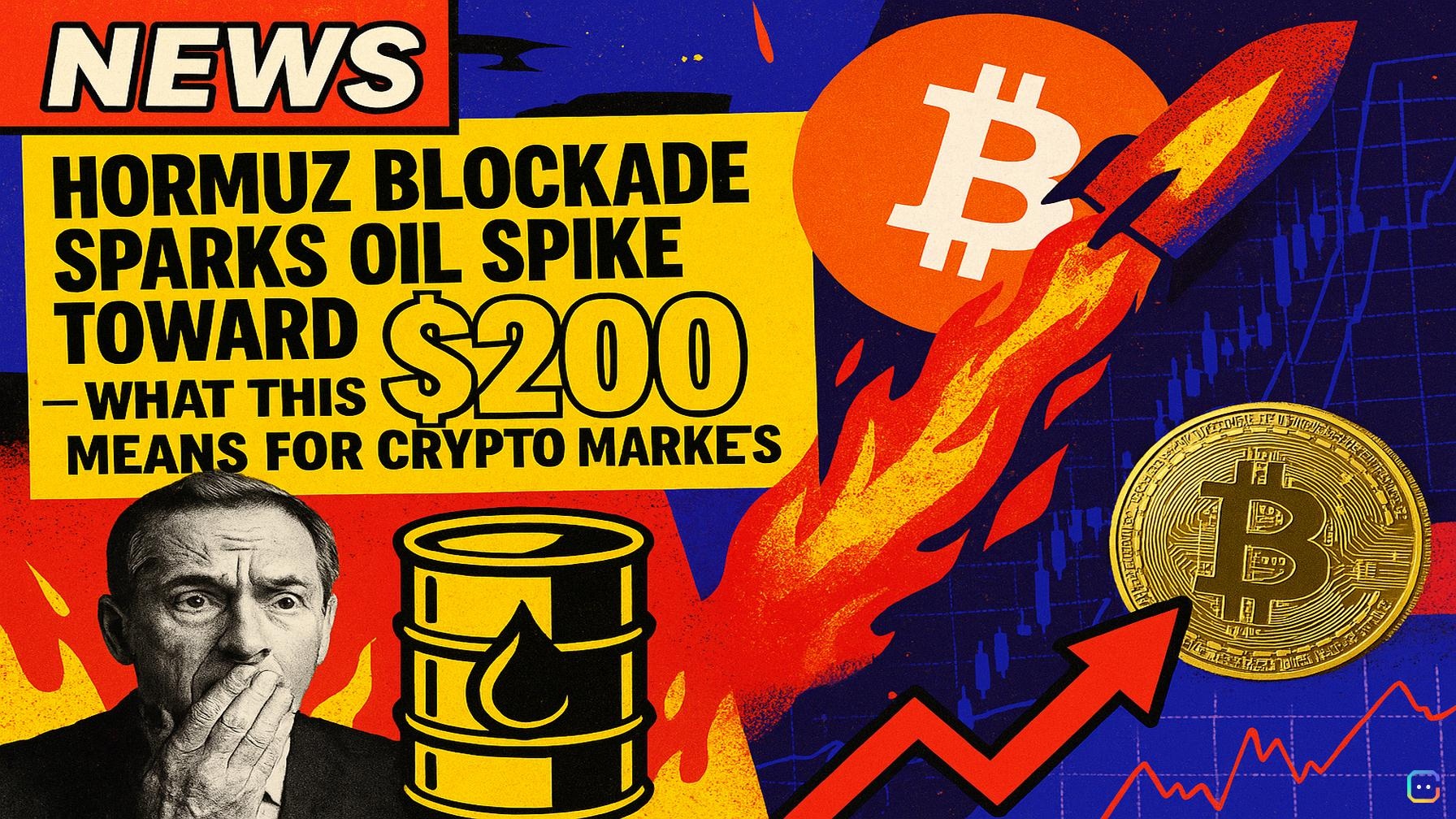
A sudden supply shock out of the Persian Gulf has jolted energy markets and raised alarm bells across the global economy. Iran has effectively choked transit through the Strait of Hormuz for a week, allowing only about 5% of normal seaborne traffic to pass. The disruption sent oil futures sharply higher — from roughly $67 to $120 per barrel in three days — before prices settled around $95 on Thursday.
Iran framed the move as retaliation against Israel and the United States, with a stark warning that “not a single liter of oil” will pass through the strait while the blockade holds. Ebrahim Zolfaqari, spokesperson for the Khatam al-Anbiya military command headquarters, warned that continued escalation could push prices as high as $200 per barrel.
That prospect has serious real-world consequences. A sustained surge to $200 a barrel would amplify inflationary pressures globally: higher transport and production costs would cascade into steeper prices for everyday goods and services, squeezing household budgets and denting consumer demand. Businesses facing rising input costs and weaker sales could trim payrolls, and slowing growth would likely drag on corporate revenues and earnings.
Financial markets would not be immune. Record energy costs and trade disruptions typically trigger risk-off moves: institutions might liquidate risky assets, seeking shelter in traditional havens such as gold and other commodities. Historically, such episodes have also produced sharp equity market drawdowns and heightened volatility across asset classes.
For crypto markets, the implications are mixed and worth watching. On one hand, macro stress and investor flight to perceived safe havens could increase demand for stores of value, potentially boosting interest in Bitcoin and stablecoins. On the other hand, heightened risk aversion and forced liquidations could drive crypto volatility higher and prompt outflows as institutions rebalance into cash and gold. Crypto’s short-term reaction will likely mirror broader liquidity conditions and investor sentiment.
The situation underscores the strategic vulnerability posed by chokepoints like the Strait of Hormuz, particularly for Asian importers that rely heavily on the route for energy supplies. Iran’s hardline stance — and the specter of $200 oil it has raised — is a wake-up call to policymakers: without diplomatic or security solutions, the economic fallout would be widespread, with everyday consumers bearing the brunt.
As the world watches whether the blockade eases or intensifies, markets will remain sensitive to any developments out of the region. For traders, investors, and policymakers alike, the imperative is clear: monitor energy flows closely and be prepared for volatility across commodities, equities, and digital assets.
Read more AI-generated news on: undefined/news