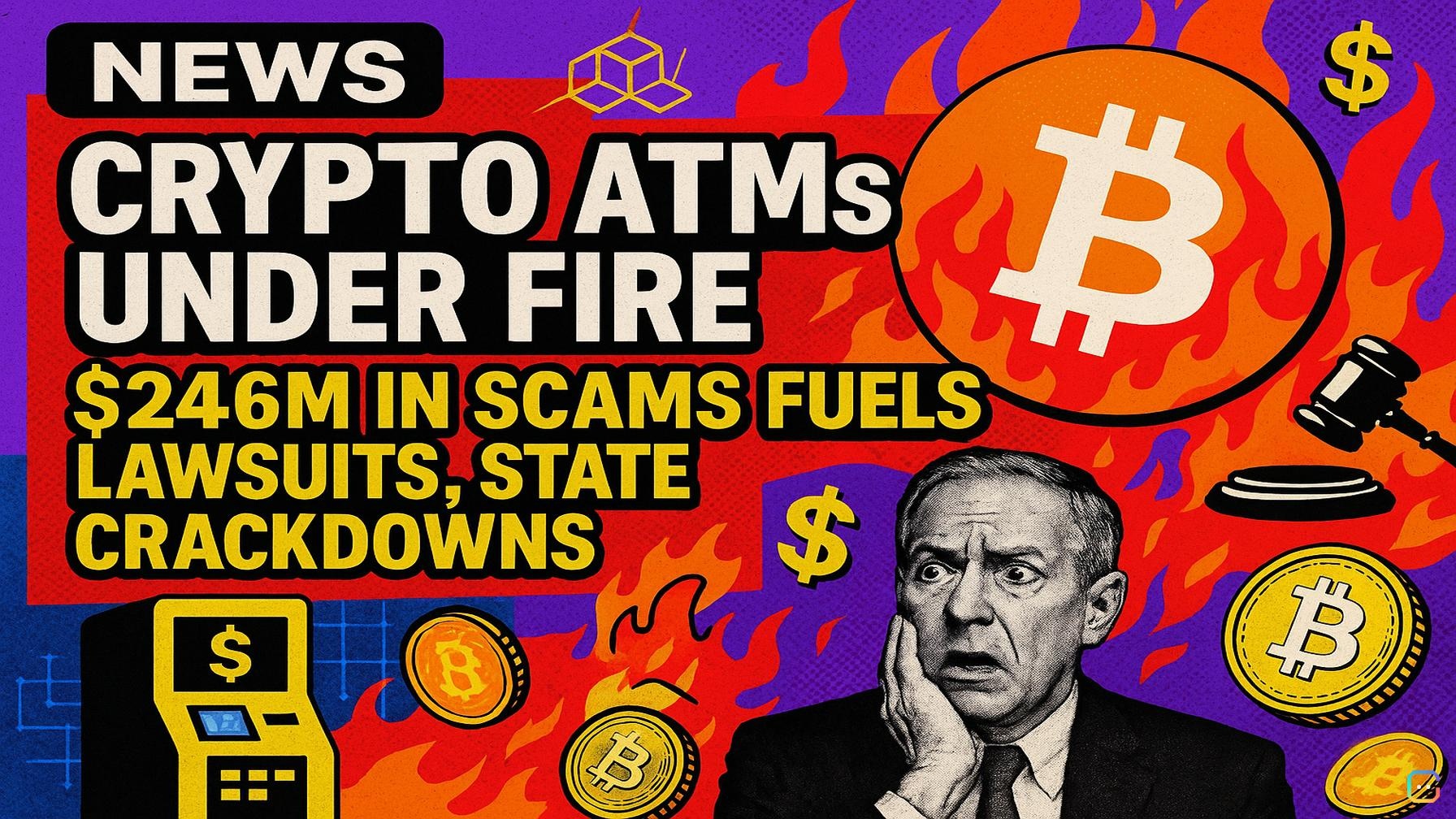
Headline: 2025 in Review — Crypto ATMs Under Fire as Scams, Lawsuits and Calls for Rules Multiply
This year marked a turning point for crypto ATMs in the U.S. — the kiosks that let people buy Bitcoin and other digital assets with cash became a flashpoint for consumer protection fights, high-profile lawsuits and fresh regulatory attention as scams surged and lawmakers demanded change.
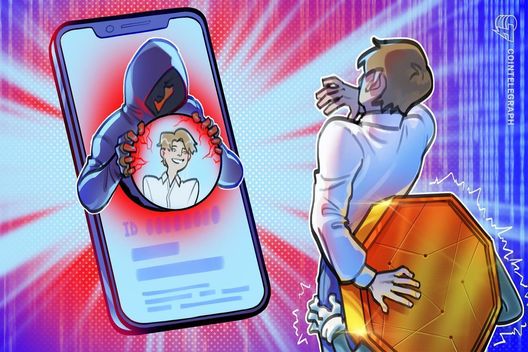
The numbers are stark. The Internet Crime Complaint Center reported Americans lost $246 million to crypto ATM–related schemes in the past year — a 99% jump year-over-year — and roughly 43% of those losses were suffered by people over 60. The typical scam is simple and effective: victims withdraw cash, convert it to cryptocurrency at a kiosk, and then transfer it to fraudsters impersonating government officials, businesses or tech-support staff. Some scams are unusually creative — in Massachusetts, for example, scammers allegedly demanded crypto as payment for missed jury duty.
Why victims can’t get money back
Crypto’s irreversible transactions make recovery difficult once funds are sent. That problem is compounded by the fine print in many crypto ATM user agreements. In two Iowa cases this year, the Iowa Supreme Court concluded that an operator was entitled to keep cash tied to fraudulent transactions because the operator’s terms required users to certify ownership of the receiving wallet, not ownership by third parties. Operators have leaned on these contractual protections in court and in public statements.
Industry pushback
Operators defend the service. Bitcoin Depot’s chief legal officer, Chris Ryan, told Decrypt in June: “Once that transaction is completed, when the user inserts their cash and their crypto is funded into the wallet of their choosing, that ends our involvement in the transaction.” Bitcoin Depot says it works with local law enforcement to track victims’ funds, but the company also complained that when officers forcibly break into kiosks — as happened this year in a rural Texas incident — law enforcement can create additional victims by damaging property and removing company cash. Jasper County sheriffs cut into a Bitcoin Depot kiosk at a gas station this year and recovered $32,000 in cash that Bitcoin Depot says belonged to the company.
Regulatory and legal pressure
Despite industry denials, state attorneys general and consumer advocates pushed back aggressively:
- Iowa Attorney General Brenna Bird sued Bitcoin Depot and CoinFlip in February, alleging the firms profit from scam victims and charge “massive, hidden transaction fees.” The companies denied wrongdoing, pointing to ID checks and refund policies.
- In September, Washington, D.C. Attorney General Brian L. Schwalb sued Athena Bitcoin, alleging undisclosed fees as high as 26% and accusing the firm of exploiting elderly residents in violation of consumer protection laws. Schwalb’s complaint argued that on-screen warnings are meaningless when elderly victims arrive “terror-stricken in gas stations, pockets stuffed with uncomfortable amounts of cash” and don’t understand how wallets work. Athena has said it will defend itself.
- The Iowa court rulings and these lawsuits underscore how both contract language and fee disclosures are being scrutinized as part of fraud recovery disputes.
Congressional and state-level responses
At the federal level Sen. Dick Durbin (D-IL) introduced the Crypto ATM Fraud Prevention Act this year, proposing strict transaction limits on kiosks and requiring full refunds to victims who report losses within a set window. Durbin called the bill “common-sense guardrails” to protect older Americans, but the measure has not advanced in the Republican-led Senate.
Where federal action stalled, states moved. AARP tracked more than a dozen states drafting or passing rules this year; by June it reported 20 states had taken steps to address crypto ATM fraud. Examples include:
- Spokane, Washington: city council passed a ban affecting roughly 50 local kiosks.
- Illinois (August): became the first Midwestern state to pass laws requiring crypto ATM operators to register with regulators, cap transaction fees at 18%, and limit daily transactions to $2,500 for new users.
Federal enforcement agencies weighed in as well. In August the Treasury Department’s Financial Crimes Enforcement Network (FinCEN) issued an urgent warning that illicit activity risk is “exacerbated” when operators fail to follow Bank Secrecy Act obligations.
Scale and global reaction
Crypto ATMs remain widespread. As of mid-November, Coin ATM Radar counted about 30,750 machines in the U.S. — roughly 78% of the world’s kiosks — out of a global total that has hovered near 40,000 since 2022. Internationally, some jurisdictions have taken stronger steps: New Zealand banned crypto ATMs nationwide in June as part of measures to curb criminal finance.
What’s next
2025 exposed tensions at the heart of the crypto ATM business: the convenience of cash-to-crypto transactions versus growing evidence these kiosks are a vector for fraud, especially against older adults. With state regulators tightening rules, attorneys general pursuing lawsuits, and federal lawmakers proposing limits, the industry faces customer-protection demands that could reshape how kiosks operate — from fee disclosure and daily limits to mandatory refunds for fraud victims. For consumers, the year’s lessons are blunt: treat urgent crypto payment requests with extreme skepticism, and be aware that once you send crypto, getting it back may be legally and practically difficult.
For a sector designed to broaden access to digital assets, 2025 showed that access without adequate safeguards can leave some of the most vulnerable exposed — and that policymakers are increasingly willing to act.
Read more AI-generated news on: undefined/news