Headline: YouTube to roll out major AI creation tools in 2026 while pledging a crackdown on “AI slop”
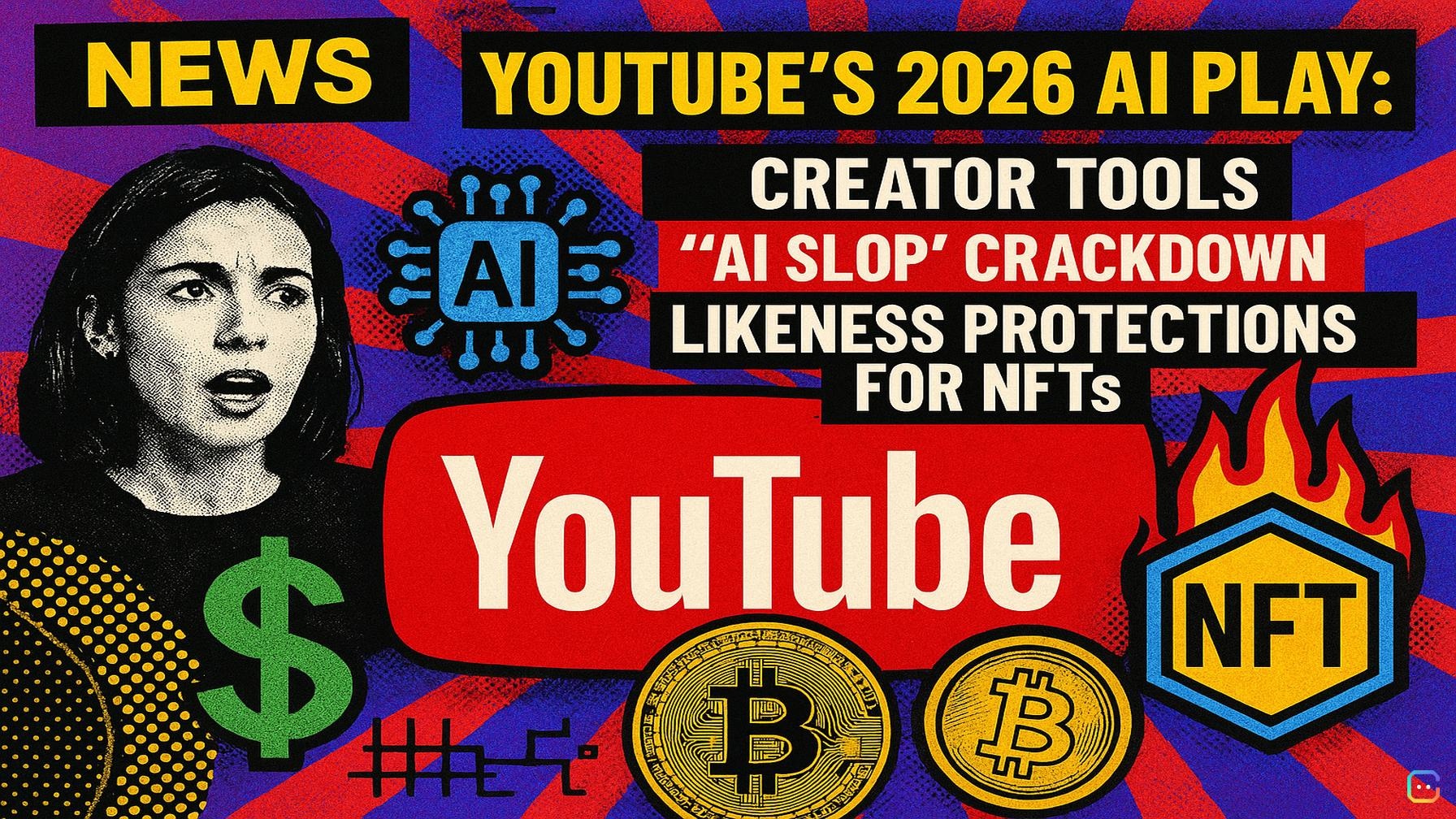
YouTube is preparing a big push into AI-assisted creation in 2026 — and promising tougher enforcement against low-quality synthetic content that could erode the platform’s viewing experience. In a community letter, CEO Neal Mohan laid out a roadmap that pairs feature expansion with new safeguards for creators’ likenesses and viewers’ trust.
What YouTube announced
- Expansion of creator-facing AI tools in 2026, including features that let creators generate Shorts using AI models of themselves.
- Continued requirements that creators disclose realistic synthetic or altered media; YouTube will also label content produced with its own internal AI tools.
- Stricter enforcement against what Mohan called “AI Slop” — low-quality, repetitive or spammy synthetic content. YouTube says it will build on the same systems it uses to combat spam and clickbait to limit the spread of such material.
- Enhanced protections around likeness and identity, expanding Content ID-style controls so creators and artists have more say over how their faces and voices are used in AI-generated content.
- Clearer takedowns for harmful synthetic media that violates Community Guidelines, and public support for legislation such as the NO FAKES Act to protect creative integrity.
Why it matters
YouTube is walking a tightrope: it wants to empower creators with powerful AI tools while preventing the flood of low-quality or deceptive synthetic content that could undermine trust on the platform. Mohan framed the move as a responsibility that comes with openness — “to maintain the high-quality viewing experience that people want” — and acknowledged inevitable skepticism as the platform changes.
Implications for creators and the wider crypto community
- Creators can expect new productivity and creative tools that accelerate Shorts production and experimentation with AI personas.
- Stronger controls over likeness and voice use may help protect digital artists, influencers and any creators who monetize identity-driven content (relevant to NFT artists and tokenized brands).
- Labeling and disclosure rules aim to reduce deceptive deepfakes and scams — an especially important development for communities that already face phishing and social-engineering risks tied to crypto assets.
Bottom line
YouTube is betting that pairing aggressive AI feature rollouts with clearer disclosure, takedown policies and identity protections will let it scale innovation without sacrificing viewer trust. The full impact — on creator revenue models, content authenticity and adjacent crypto ecosystems — will depend on the details and enforcement that arrive with the 2026 updates.
Read more AI-generated news on: undefined/news