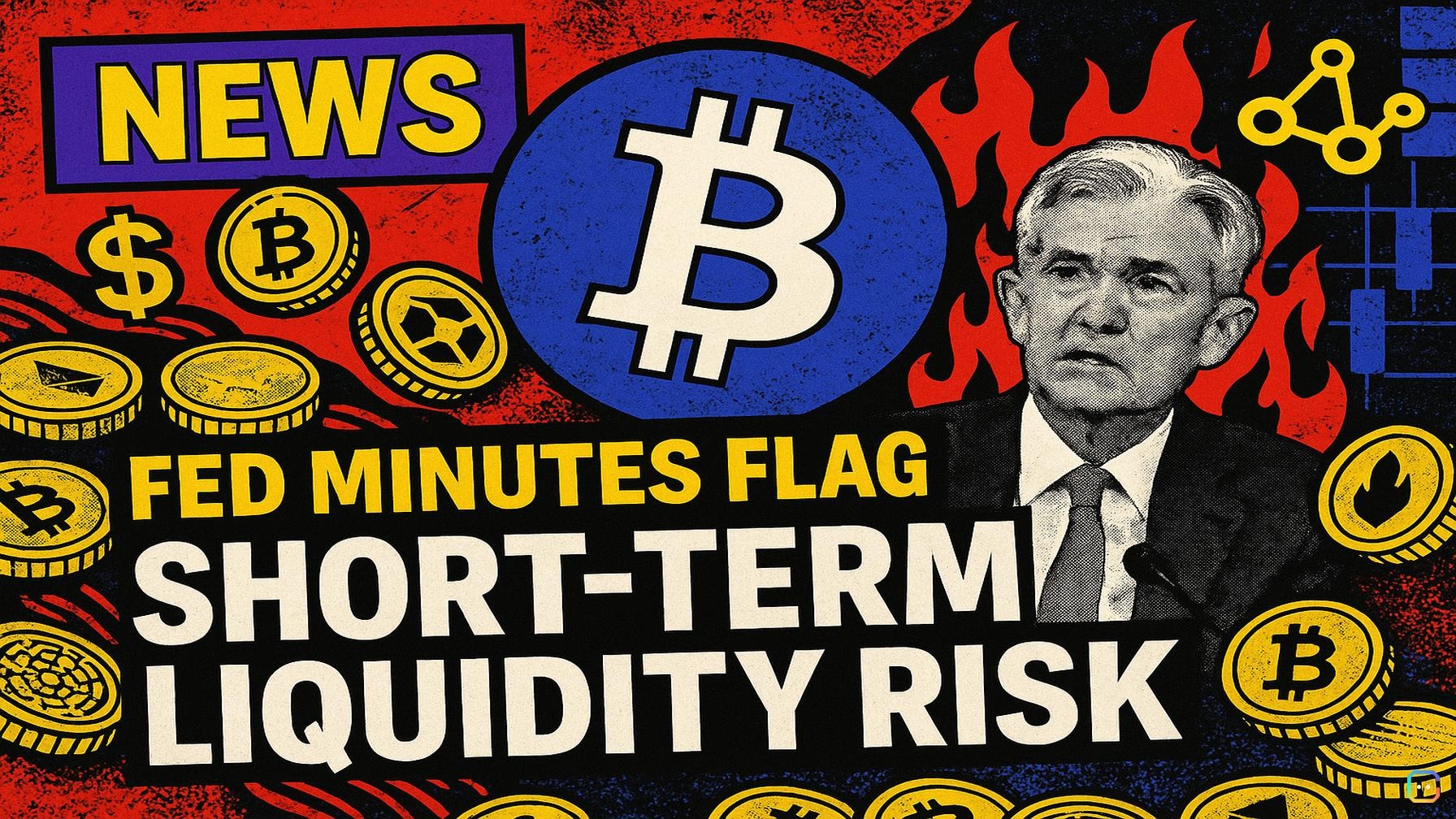
Headline: Fed minutes warn of a hidden liquidity risk — and that matters for crypto
The Federal Reserve’s Dec. 9–10 FOMC meeting minutes, released Dec. 30, spotlight a less-visible but market-sensitive threat: short-term funding markets could seize up even if the policy rate barely moves. That risk — tied to low cash reserves in the banking system — is one reason Fed officials are weighing balance-sheet actions alongside interest-rate guidance.
What the minutes said
- Policymakers were broadly comfortable with the economic outlook and noted investors largely expected a quarter-point cut at the meeting and further reductions in 2026. Rate expectations changed little over the intermeeting period.
- The discussion, however, went well beyond the federal funds rate. Officials flagged growing tightness in overnight funding markets — where banks and financial firms borrow and lend cash to meet daily needs.
- Reserves in the banking system had fallen to what the Fed calls “ample” — a zone that is technically healthy but more sensitive to swings in demand. In that range, small moves can push overnight borrowing costs higher and strain liquidity.
- Specific warning signs: elevated and volatile overnight repo rates, wider gaps between market rates and the Fed’s administered rates, and increased reliance on the Fed’s standing repo operations. Some participants said these pressures were building faster than during the Fed’s 2017–19 balance-sheet runoff.
- Seasonal timing amplifies the risk. Staff warned that end-of-year strains, late-January shifts and a large springtime inflow of tax receipts into the Treasury’s account at the Fed could sharply drain reserves — potentially pushing them below comfortable levels and disrupting overnight markets.
What the Fed is considering
- To prevent reserve shortfalls, participants discussed buying short-term Treasury securities to keep reserves ample. The minutes stress these purchases are meant to support interest-rate control and smooth market functioning — not to change monetary policy. A survey cited in the minutes put expected purchases at roughly $220 billion over the first year.
- Officials also want to improve the Fed’s standing repo facility as a liquidity backstop — including removing its overall usage cap and tweaking communications so the tool is seen as a routine part of the Fed’s operating framework rather than a last-resort signal.
Near-term policy backdrop
- The federal funds target range remains 3.50%–3.75%. The next FOMC meeting is Jan. 27–28, 2026. As of Jan. 1, CME Group’s FedWatch showed an 85.1% probability the Fed will hold rates steady and a 14.9% chance of a quarter-point cut to 3.25%–3.50%.
Why crypto traders should care
- Crypto markets are highly sensitive to dollar liquidity and funding conditions. Tightness in overnight funding can raise borrowing costs, lift margin and futures funding rates, and stress venues and counterparties that rely on short-term dollar funding.
- Stablecoins and fiat on-ramps can feel the effects if banking liquidity tightens or if market participants scramble for cash, potentially affecting redemptions, spreads and peg stability.
- Fed purchases of short-term Treasuries and a beefed-up standing repo facility are aimed at preventing those dislocations — which would be constructive for risk assets, including crypto, by keeping dollar liquidity available and borrowing costs more stable.
Bottom line: The Fed isn’t just focused on the headline policy rate. The December minutes show officials increasingly worried about the plumbing of short-term dollar funding — and they’re prepared to use balance-sheet tools to keep liquidity functioning. For crypto markets that depend on smooth dollar funding, that’s an important development to watch as policy and seasonal money flows play out in early 2026.
Read more AI-generated news on: undefined/news