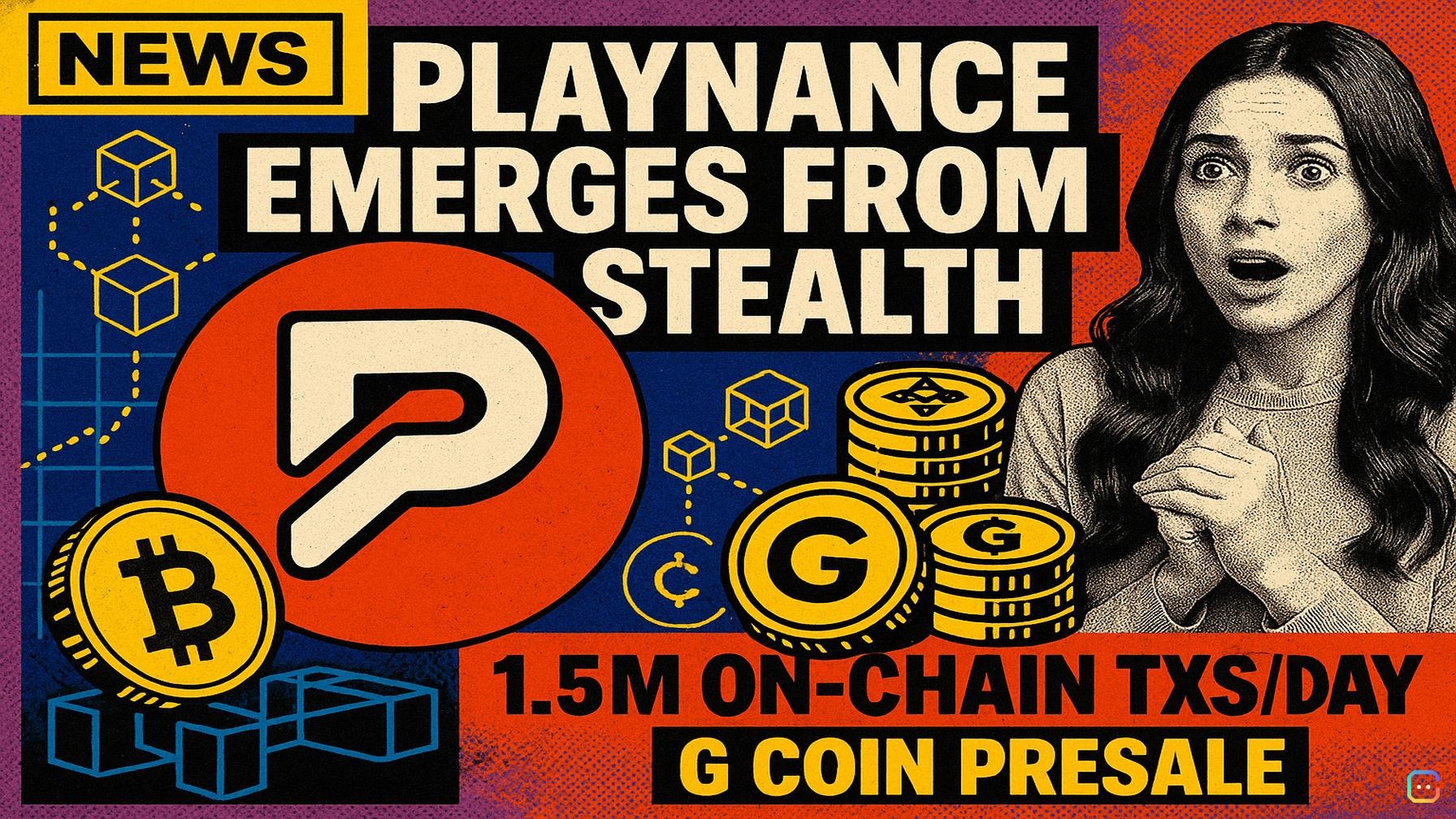
Playnance goes public — but not in the way you’d expect
Tel Aviv — Feb. 5, 2026 — Playnance, a Tel Aviv‑based Web3 infrastructure and consumer platform company, today made its first formal public introduction after years of quietly building and operating live products. Founded in 2020, the startup positions itself as a Web2‑to‑Web3 gaming infrastructure layer that aims to bring mainstream Web2 users into fully on‑chain gaming and entertainment experiences.
What Playnance is doing
- Integrations & scale: Playnance says it already integrates with 30+ game studios and has converted thousands of games into “fully on‑chain” experiences, meaning gameplay actions are executed and recorded directly on blockchain networks.
- Live usage: Its platforms reportedly process roughly 1.5 million on‑chain transactions per day and serve more than 10,000 daily active users, a significant share of whom come from traditional Web2 environments.
- Wallet UX: The company emphasizes low friction onboarding — users can register and play via familiar Web2 interfaces (standard account creation and login) without needing external wallets or manually managing private keys. Playnance also says interactions remain non‑custodial, with blockchain mechanics running behind the scenes.
- Consumer pilots: To showcase the tech, Playnance runs consumer platforms such as PlayW3 and Up vs Down (among others) on a shared on‑chain infrastructure and wallet system that allows seamless movement across products without repeat onboarding.
- Token initiative: Playnance’s G Coin is currently in pre‑sale and available through the company’s website.
Why it matters
Playnance is betting on practical, user‑first adoption rather than early evangelism to grow its footprint. By masking blockchain complexity behind familiar interfaces while keeping execution and records on‑chain, the company aims to capture mainstream audiences who are put off by traditional crypto UX (wallets, seed phrases, gas management). The reported transaction volume and cross‑platform architecture suggest Playnance is running with consumer‑scale expectations rather than prototype traffic.
“We prioritized live operation and user behavior over public announcements,” said CEO Pini Peter. “Our focus was on building systems that people could use without needing to understand blockchain mechanics — this is the first time we are formally introducing the company after reaching scale.”
Looking ahead
Playnance says its roadmap will be guided by observed user behavior and platform performance rather than speculative adoption assumptions. Its stated mission: reduce friction between how people naturally behave online and how blockchain execution must function — effectively operating consumer blockchain platforms at scale to test that thesis in the wild.
For a sector still wrestling with how to onboard mass audiences, Playnance’s live‑first approach — and the metrics it publicly shared — will be one to watch. G Coin’s pre‑sale and the company’s expanding studio integrations will likely provide near‑term signals of how well the strategy converts Web2 players into persistent on‑chain users.
Read more AI-generated news on: undefined/news