Headline: Binance tops up SAFU with ~3,600 BTC as markets wobble — why infrastructure and single-step execution are back in focus
On Feb. 6, 2026, on-chain activity flagged a big defensive play: Binance’s emergency SAFU fund reportedly moved roughly 3,600 BTC (about $233 million) from a hot wallet into its SAFU address. That addition lifts the fund’s Bitcoin holdings to roughly 6,230 BTC — a move that looks less like a retail “buy the dip” and more like institutional-style fortification as market confidence is being tested.
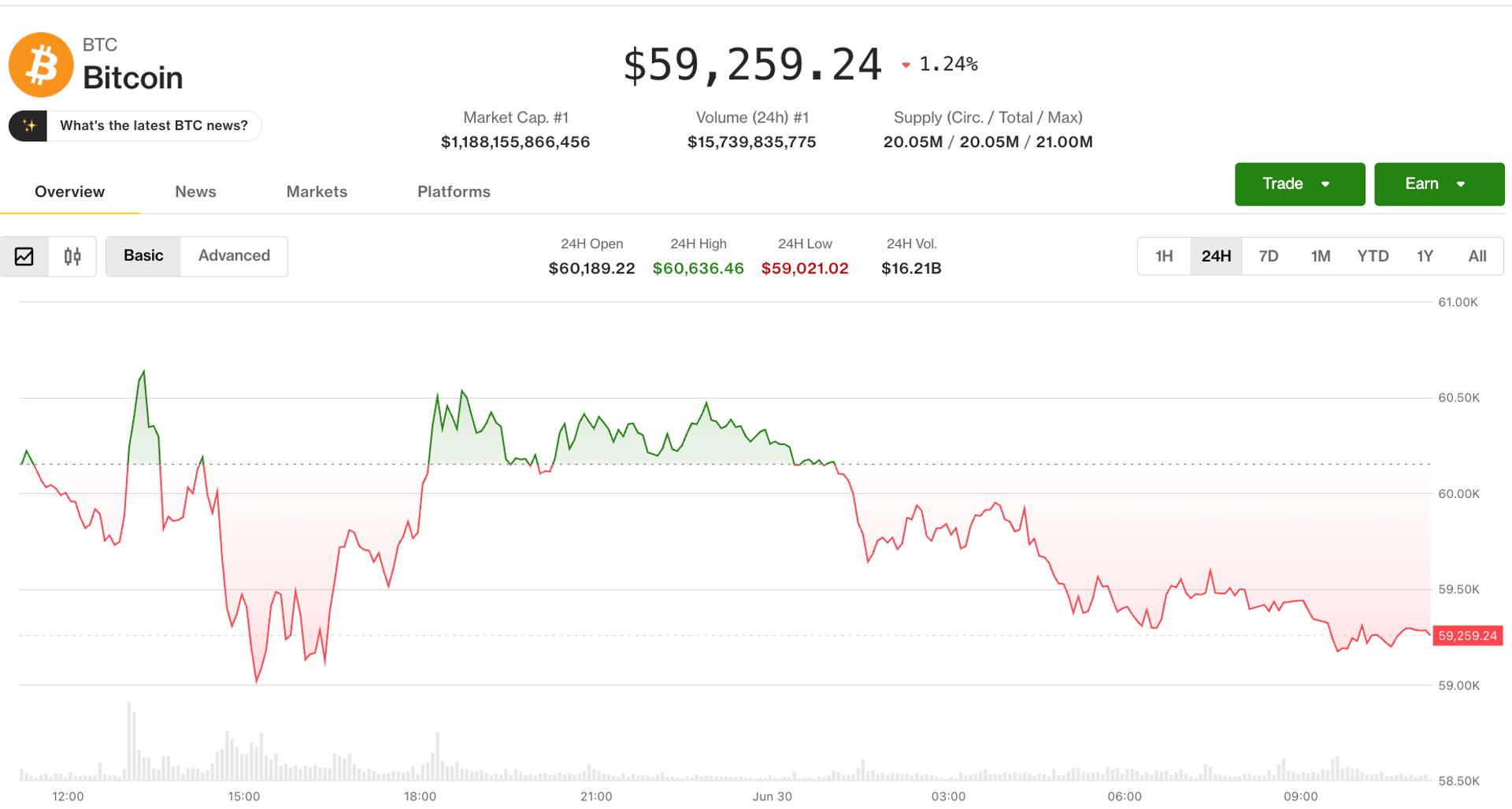
Context matters. Bitcoin was trading near $67,000 that day, down almost 9% intraday according to CoinMarketCap, and roughly 50% below its October 2025 peak near $126,000. Mainstream outlets have already resurfaced “crypto winter” language, and the scramble for safety is visible on-chain.
Why the SAFU top-up is notable
SAFU exists to absorb tail-risk events — hacks, sudden insolvencies, liquidity vacuums. When a major venue visibly reinforces that backstop during a drawdown, it’s not only a PR move: it’s a signal that market participants are once again paying a premium for trust and explicit counterparty protections. In stress episodes, visible capital buffers can help stabilize user confidence faster than opaque risk exposures.
ETF weakness and second‑order liquidity effects
The timing coincides with reports of sharp drawdowns and outflows from Bitcoin-linked ETFs (MarketWatch). That dynamic — the quick flip from “institutional bid” to “institutional de-risking” — doesn’t just take liquidity out of BTC; it changes where liquidity flows and how traders route execution.
When ETFs bleed and volatility spikes, liquidity tends to fragment. Bridges, wrapped assets and multi-hop swaps become riskier: spreads widen, slippage increases, and counterparty or routing assumptions matter more. In other words, the market can shift from “maximize upside beta” to “minimize operational risk,” at least temporarily.
Why infrastructure narratives are resurfacing
That shift is the reason infrastructure and interoperability narratives regain traction in downtrends. Features that reduce operational complexity — single-step execution, verifiable settlement and fewer hops — stop being buzzwords and start to read like requirements. Projects that can demonstrably simplify cross‑chain execution and reduce routing risk often receive renewed attention when market participants become risk‑averse.
LiquidChain in focus
One project that’s positioning itself to benefit from this environment is LiquidChain ($LIQUID), which bills itself as “The Cross‑Chain Liquidity Layer.” It’s framed as a Layer‑3 infrastructure protocol aiming to combine Bitcoin, Ethereum and Solana liquidity into a single execution environment. Core features promoted by the team include:
- Unified Liquidity Layer
- Single‑Step Execution
- Verifiable Settlement
- Deploy‑Once Architecture
The pitch: developers get distribution without re‑deploying to each chain, and users get fewer transactions and fewer routing failure points. According to the project’s official page, LiquidChain’s presale has raised $529,000 and tokens are currently priced at $0.01355.
Caveats and what to watch
Interoperability remains a crowded and technically difficult space. Shipping robust, secure settlement is materially harder than marketing suggests. The key catalysts to monitor are:
- Continued ETF flows and volatility: more outflows tend to favor simplified execution layers.
- On‑chain liquidity metrics: widening spreads, increased slippage, and reduced bridge activity would bolster demand for single‑step solutions.
- Technical delivery: whether projects can demonstrate real, verifiable settlement and security at scale.
This development — Binance reinforcing SAFU amid ETF weakness — highlights how market stress refocuses attention on trust and operational simplicity. If stabilization follows, streamlined infrastructure projects may re-emerge as priorities for users and developers; if the market sinks further, most new tokens will continue to correlate to the broader sell‑off.
This article is informational, not financial advice. Crypto is volatile; presales are risky, and assumptions about liquidity and bridge security can fail without warning. Do your own research before participating in any token sale.
Read more AI-generated news on: undefined/news