Bitcoin ETFs flashed green for the second week in a row — but the recovery is small compared with the recent bleed, and investors should keep a wider lens.
What happened
- The 13 U.S. spot Bitcoin ETFs recorded $75.7 million in net inflows for the week ending July 17, per SoSoValue. That followed $197.4 million the prior week, putting the two-week haul at $273.1 million.
- On the surface, inflows mean more buying than selling by ETF investors. But that two-week gain is a tiny recovery after a brutal stretch: from mid‑May through early July these funds suffered eight straight weeks of redemptions totaling more than $8.2 billion.
- June 2026 was especially painful — about $4.5 billion left in that single month, the worst monthly outflow since the funds launched. The recent $273 million recouped amounts to roughly 3.3 cents back for every dollar lost.
- Volatility remains acute. On Monday of last week a single-day withdrawal of $424.7 million — the largest one-day exit since June 26 — followed renewed U.S.–Iran military tensions, though investors reversed course over the following four days to close the week positive.
Why this matters
- Spot Bitcoin ETFs are exchange-traded funds that hold Bitcoin on behalf of investors, simplifying access for those who don’t want to custody coins themselves. When they launched in early 2024 after years of SEC pushback, they funneled billions into the market and briefly reshaped demand dynamics.
- But these products are highly sentiment-driven. Unlike stocks or bonds, Bitcoin (and gold) don’t produce cash flows, dividends or coupons. Their prices depend largely on whether people want to hold them — which makes ETF flows a useful barometer of investor mood.
A useful historical lens: gold ETFs
- Bloomberg Intelligence senior ETF analyst Eric Balchunas argues the best historical roadmap for Bitcoin ETFs is the 22‑year history of GLD, the first U.S. gold ETF. Both Bitcoin and gold are “non‑yielding stores of value,” he notes, and thus prone to dramatic swings in investor sentiment.
- GLD’s past shows the pattern clearly: it rocketed to enormous popularity (momentarily surpassing SPY as the world’s largest ETF in 2011), then spent years trailing before recovering. Balchunas sees a “spiritual parallel” with BlackRock’s IBIT, which briefly crossed $100 billion in assets in October as Bitcoin hit its all‑time high above $126,000 — then fell into a long drawdown.
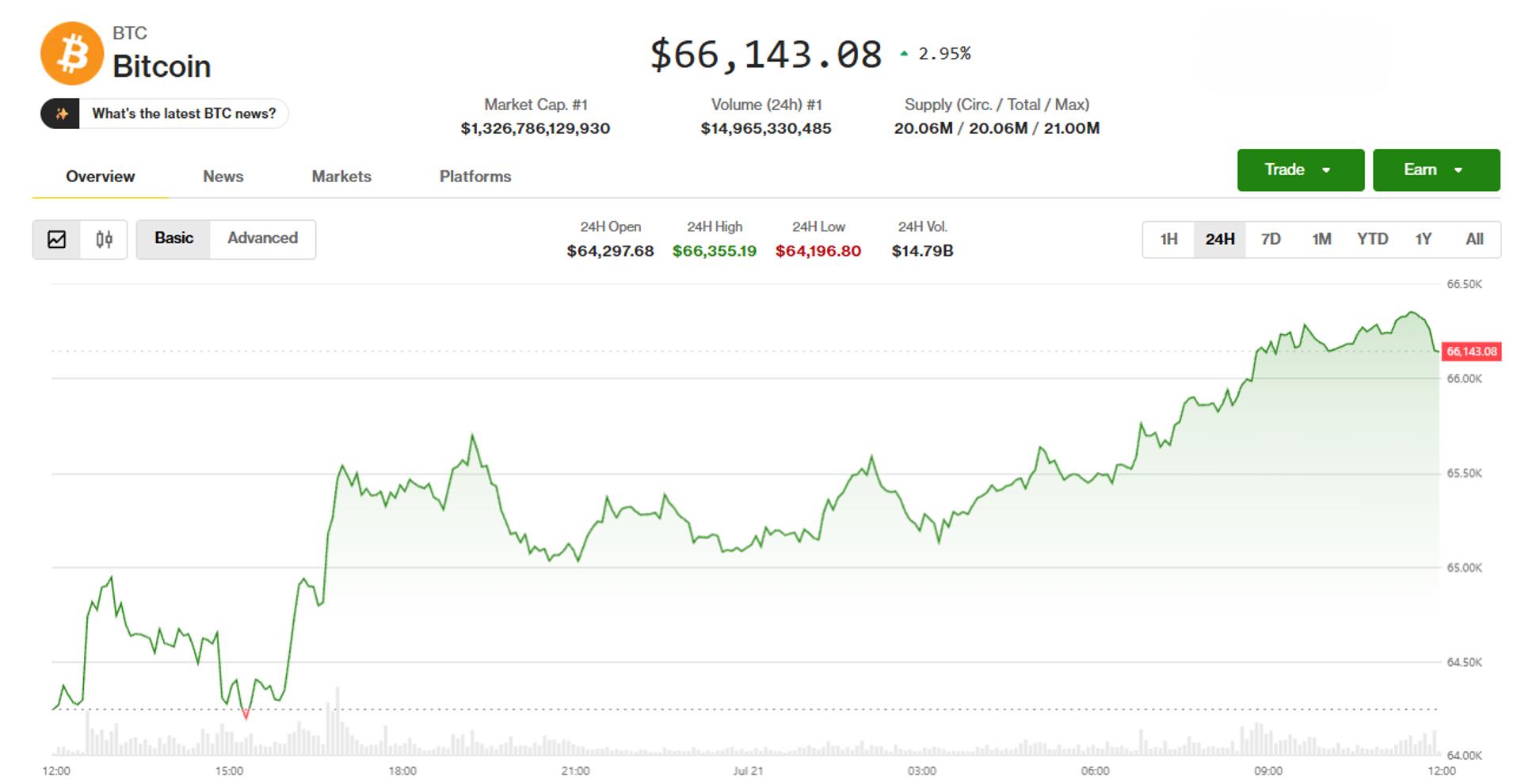
- Today Bitcoin trades near $64,000, roughly 50% below that peak. Balchunas’ take: expect “spectacular gains, painful drawdowns and recoveries that may test investors’ patience.” His refrain: two steps forward, one step back — with big upside possible, but potentially long and bumpy.
Asset moves and analyst caution
- BlackRock’s IBIT has reportedly sold close to 100,000 BTC in recent months to meet redemptions and now manages just over 733,000 BTC.
- Not everyone is optimistic. On July 1 Citigroup cut its 12‑month Bitcoin price target from $112,000 to $82,000 and slashed expected ETF inflows over the next year to zero (from a prior $10 billion), citing negative flows, stalled U.S. crypto legislation, and fading institutional appetite.
- Total net assets across the 13 spot Bitcoin ETFs now sit at about $77.7 billion, down from more than $106 billion just before the mid‑May outflow streak began.
Bottom line
Last week’s inflows are a welcome sign, but they’re a small step toward repairing massive recent redemptions. For investors, the clearest takeaway is to zoom out: Bitcoin ETFs behave like other non‑yielding store‑of‑value products — prone to big swings, sensitive to sentiment, and capable of long recoveries after steep drawdowns. Don’t confuse a couple of green weeks with a full trend reversal.
Read more AI-generated news on: undefined/news