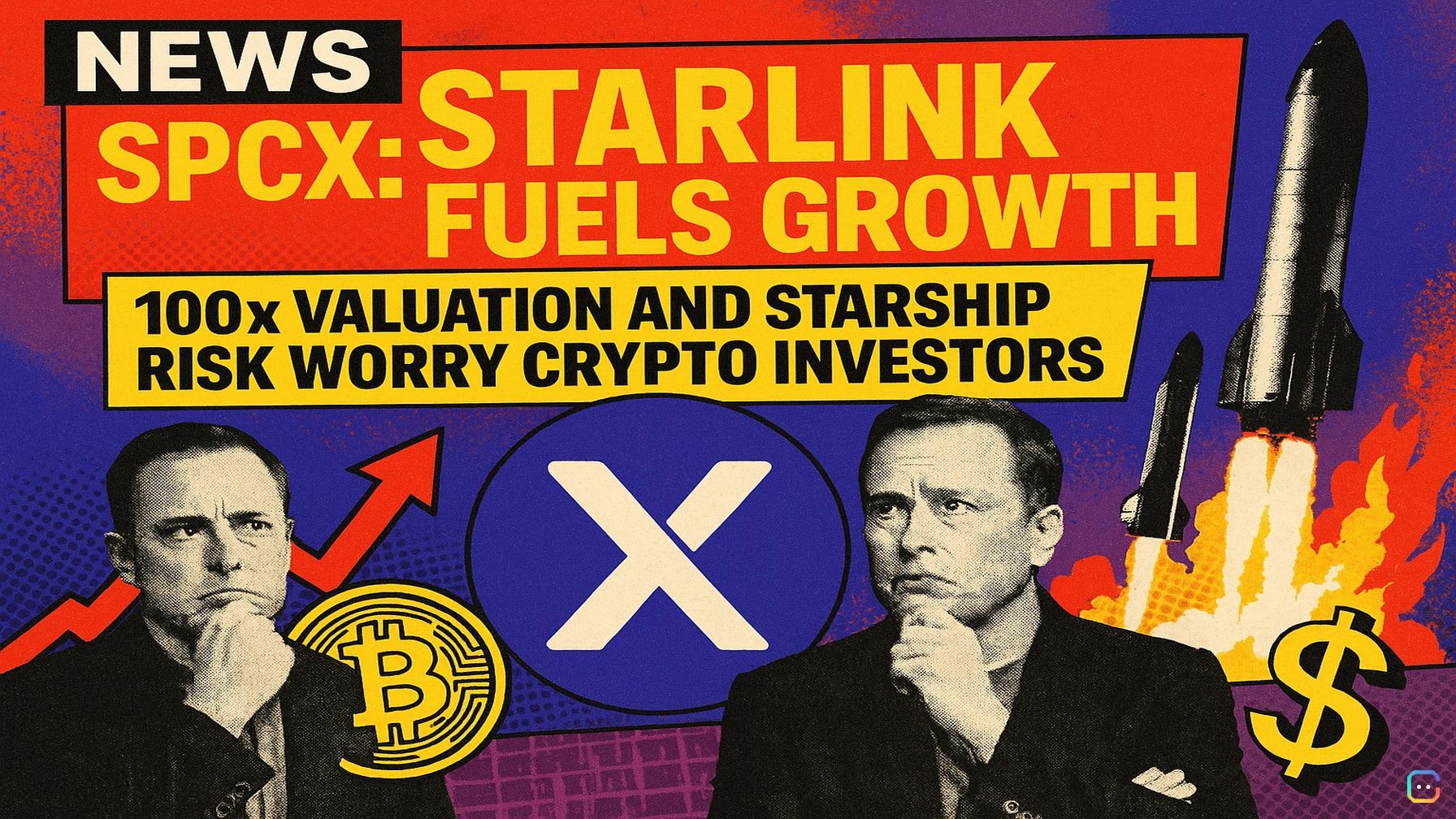
Does SpaceX stock have a future? Short answer: probably — but with big caveats.
Why investors are optimistic
- Starlink is the clear growth engine. What began as a small 2021 beta now counts more than 10 million paying subscribers in over 160 countries.
- Revenue from Starlink hit $11.4 billion in 2025, up 48% year-over-year, and now represents roughly 69% of SpaceX’s total revenue.
- Starlink generated meaningful operating profit — $4.42 billion in 2025 — and analysts expect revenue to climb to about $15.5 billion in 2026. An ARPU dip has been partly reversed after price increases in May of up to $10/month.
For many observers, Starlink’s scale and profitability are the strongest argument that SPCX has more than IPO hype behind it.
Why the valuation and risks keep forecasts wide-ranging
- SPCX shares traded between roughly $148 and $175 in early July 2026, off the $225.64 high after listing. The market value sits near $2.1 trillion, which implies an eye-watering 100–130x sales multiple — a price that presumes long stretches of near‑perfect execution.
- The IPO prospectus disclosed a nearly $5 billion net loss in 2025, driven largely by Starship spending and about a $6 billion loss in the AI unit centered on xAI/Grok. That explains why analyst price targets and ratings are all over the map. Wedbush kicked off coverage with an Outperform and a $190 target, calling SpaceX “a major hyperscaler.” SpaceX’s prospectus describes Starlink as “a driving force behind our growth, innovation, and operational success.”
Catalysts and sources of turbulence
- Near-term mechanical upside: SPCX joined the Nasdaq-100 on July 7, 2026, which analysts estimate could trigger roughly $4.3 billion of passive buying as index funds rebalance.
- Execution risk remains concentrated around Starship: in 2025 the heavy-lift rocket flew only five times against a 25-flight target. Starship is key because it’s the only vehicle able to deploy the heavier V3 Starlink satellites at scale.
- Other headline risks: the Wall Street Journal reported SpaceX showed investors a prototype AI handset before the IPO — a claim Elon Musk denied on X on July 1, 2026: “Utterly false.”
- Retail demand outpaced allocation in the IPO, with many individual investors receiving only a fraction of the stock they requested — a sign of strong demand but also of supply constraints that can amplify volatility.
Bottom line for investors (and why crypto observers should care)
Starlink’s profitability and rapid subscriber growth give a compelling operational story that matters more than the Starship or xAI promise — at least for now. But the overall valuation assumes a lot: continued growth, successful Starship operations, and a path to profit for the AI unit. For long-term investors who can tolerate big swings, SPCX may be attractive; for anyone who prefers steadier returns, the question “Does SpaceX stock have a future worth the wait?” remains legitimate.
For crypto and Web3 audiences: reliable global connectivity and lower-latency links from networks like Starlink can materially affect adoption and infrastructure for decentralized apps and services, which is one reason the market is watching SpaceX closely beyond conventional tech and aerospace circles.
Read more AI-generated news on: undefined/news