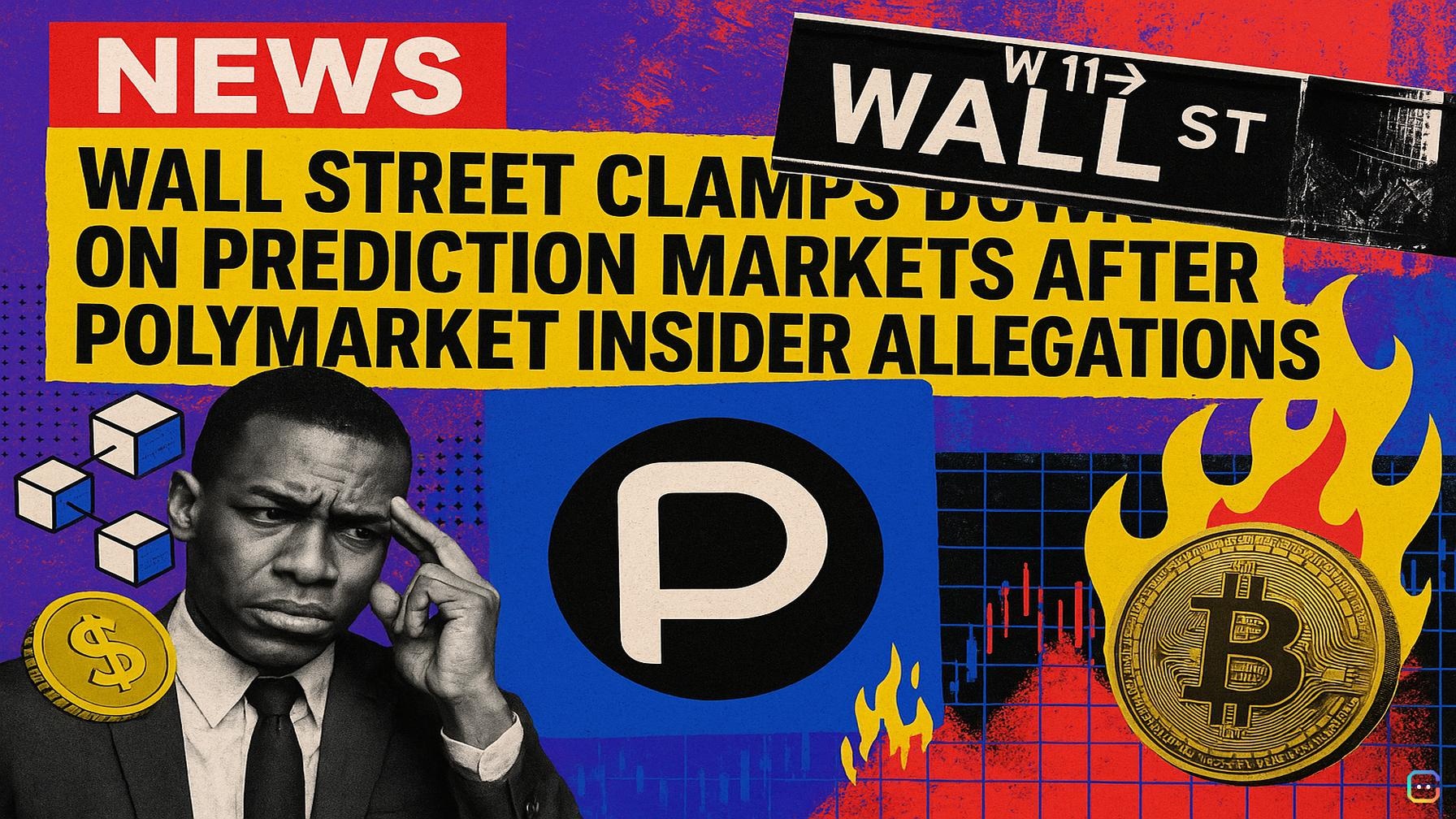
Wall Street is clamping down on employee activity in prediction markets as concerns mount that private information could be used to profit from event contracts on platforms such as Polymarket and Kalshi.
What’s changing
- Goldman Sachs has adopted one of the broadest rules: employees are barred from trading prediction contracts tied to financial markets, elections, macroeconomic data, geopolitics and any events that could create a real or perceived conflict with the bank, its clients or the financial sector. Sports and entertainment markets remain allowed. Repeated violations could mean disciplinary action or forfeiture of profits from prohibited trades.
- Morgan Stanley has added prediction-market language to its employee code of conduct, though it has not publicly detailed the full scope of restrictions.
- Bank of America has clarified examples of banned activity, specifically targeting contracts tied to company-specific developments, macroeconomic indicators and financial services.
- JPMorgan’s existing rules already bar staff from trading on confidential information, a prohibition that the bank says extends to prediction markets.
Why firms are moving now
The policy shifts follow a high-profile federal case in which prosecutors allege a Google engineer, Michele Spagnuolo, used confidential Google search data to profit on Polymarket. The Department of Justice claims the trader—using an account called “AlphaRaccoon”—risked about $2.75 million between October and December 2025 and realized roughly $1.2 million after Google publicly released the underlying data. Those are allegations and Spagnuolo is presumed innocent unless proven guilty, but the case highlighted how non-public data that doesn’t move a company’s stock can still be monetized on event markets.
Government scrutiny and lawmakers’ moves
Congress and regulators are watching. The House Oversight Committee requested records from Polymarket and Kalshi after media reports about suspicious trades tied to military and political events. Among the allegations under review is a claim that a U.S. Army sergeant profited more than $409,000 from classified information related to an operation involving former Venezuelan President Nicolás Maduro—claims that remain subject to legal proceedings. Lawmakers have also debated proposals to stop government officials from betting on political outcomes or policy matters they might influence or learn about ahead of the public.
How prediction platforms are responding
Platforms are beefing up compliance and surveillance:
- Kalshi set up an independent surveillance committee, partnered with Solidus Labs for monitoring, and rolled out employer disclosures for users trading in sensitive markets.
- Kalshi also assigns risk scores to contracts that touch on corporate performance, national security and other areas thought likely to attract traders with private information.
Polymarket and other operators have faced higher scrutiny as prediction markets intersect with crypto, political events and national-security issues.
The debate: market integrity vs. information aggregation
Researchers and market designers disagree on how strict rules should be. Some studies suggest blanket insider-trading bans could reduce a prediction market’s accuracy by removing informed traders and the information they contribute to prices. Others argue for tougher enforcement when traders gain an edge through leaks, stolen records or direct control over outcomes—distinguishing those cases from participants who win by diligent public research.
Bottom line
As prediction markets grow in prominence—especially in crypto-native circles—banks and platforms are trying to strike a balance between preserving the information-aggregation benefits of these markets and preventing misuse of confidential information. The coming months are likely to bring more policy updates, regulatory scrutiny and legal tests that will shape how event markets operate within and beyond Wall Street.
Read more AI-generated news on: undefined/news