Iran’s rial collapse is echoing Lebanon’s crisis — and pushing citizens into bitcoin
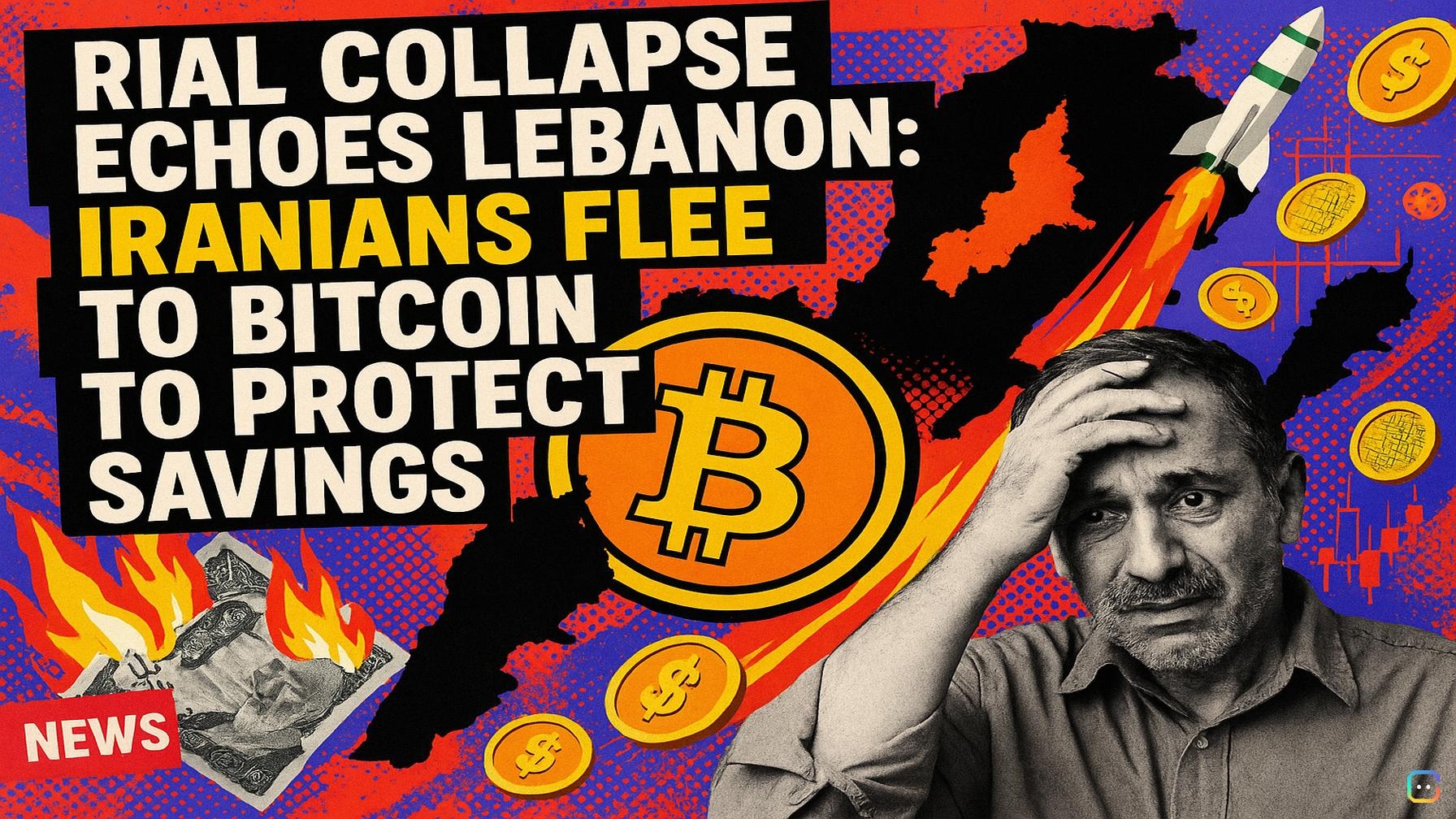
Iran’s currency crisis has accelerated in 2026: runaway inflation, a collapsing rial and tight economic isolation are eroding savings and buying power day by day. The picture is familiar to anyone who watched Lebanon’s meltdown beginning in late 2019—banking freezes, a rapid collapse of the national currency and a frantic search for stores of value. Then, bitcoin emerged as a practical and accessible refuge. Evidence suggests Iranians are following a similar path.
What happened in Lebanon
When Lebanese banks effectively locked accounts and dollar deposits became inaccessible, the Lebanese pound plunged — reportedly losing more than 90% of its value relative to what savers expected. ATMs ran dry, cash queues turned violent, and everyday life rapidly shifted into survival mode. Remittances from the diaspora became a lifeline, but they were expensive, slow or sometimes blocked by intermediaries.
In that environment, bitcoin filled multiple gaps: peer-to-peer markets and messaging platforms like Telegram enabled direct trades without banks; remittances moved across borders in minutes; and merchants in some areas began accepting crypto for essentials. Crucially, many people learned to custody their own keys — hardware wallets, seed backups and self-custody practices became a matter of preserving whatever wealth they had left.
How that model maps to Iran
Iran is seeing parallel pressures. Sanctions and trade restrictions compound domestic policy problems, driving inflation and constraining access to foreign currency. Multiple reports estimated crypto activity in the country reached roughly $8 billion in 2025, and on-chain indicators show rising flows to non-custodial wallets as users try to protect assets from freezes or forced conversions. Even state-linked actors have been reported to use stablecoins such as Tether to bypass some restrictions, while official signals on mining and crypto use remain inconsistent—bans and limits exist alongside experiments using crypto for imports.
Why bitcoin is catching on
For many Iranians, the appeal is straightforward: bitcoin and stablecoins offer ways to transfer value across borders without relying on a fragile banking system. Self-custody reduces the risk that a bank or government will seize or freeze funds; peer-to-peer networks bypass intermediaries; and stablecoins provide a unit of account for day-to-day transactions where volatility is a problem. These are the same functional drivers that accelerated crypto adoption in Lebanon.
Practical lessons and persistent risks
Lebanon’s experience offers a template — both practical and cautionary. Communities organized around peer-to-peer trading, education and operational security: reliable non-custodial wallets, properly backed-up seed phrases, running your own node where possible, and avoiding unvetted custodial services. But there were real obstacles: intermittent power and internet outages, thin liquidity outside urban centers, and costly mistakes from inexperienced users or bad actors.
Takeaways
The crises in Lebanon and Iran underscore a broader point about centralized finance: account freezes, currency collapse and financial isolation can quickly force people to seek alternatives. Bitcoin and stablecoins can provide practical tools to preserve and move value, but they are not risk-free. Volatility, connectivity problems and user error remain major challenges. For those tracking global crypto adoption, Iran’s current trajectory is a living case study in how macroeconomic stress and digital assets interact — and how grassroots education and infrastructure can matter just as much as markets in determining outcomes.
Read more AI-generated news on: undefined/news