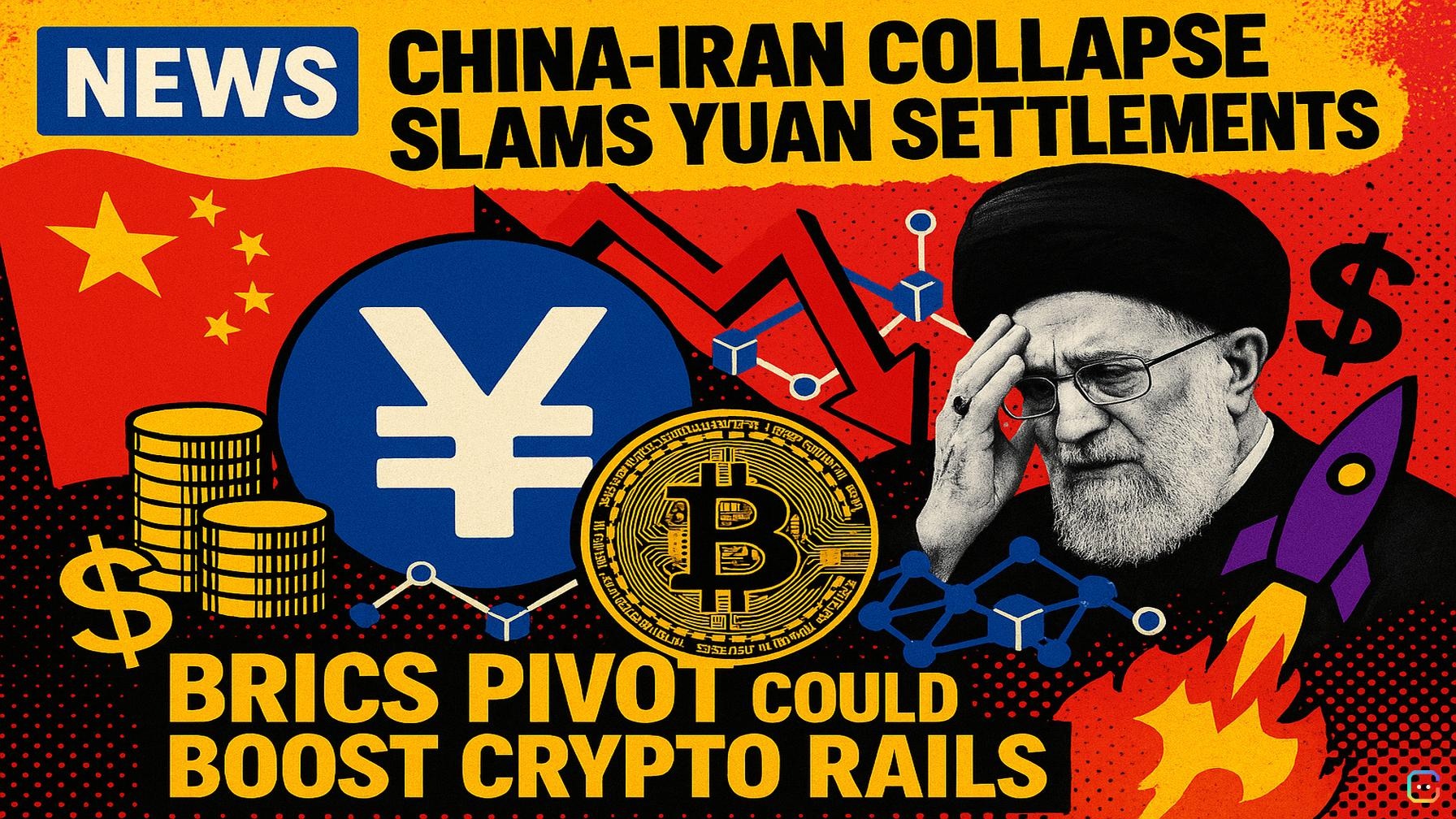
The conflict in the Middle East is starting to bite into BRICS economies — and few are feeling it more than China. New customs data shows trade between China and Iran has slumped dramatically: bilateral trade turnover is down 56.7%, with Chinese imports of Iranian goods falling by $415.5 million in Q2, according to the General Administration of Customs of China. Earlier, China-Iran trade was reported at $1.55 billion in Q1 2026.
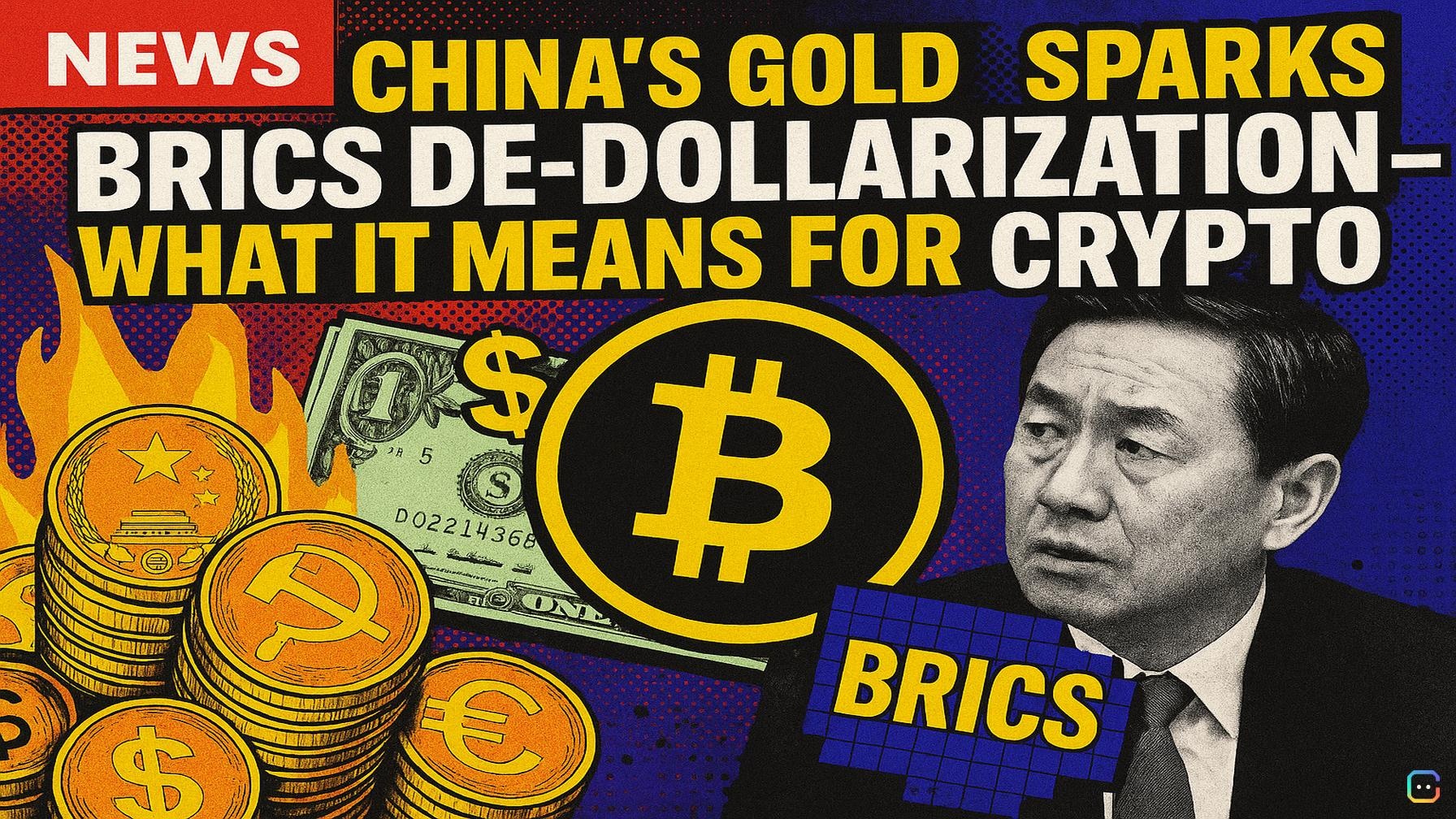
For Iran, already under heavy US sanctions, the hit compounds existing economic pressure. For China, which has been pushing the yuan as a settlement currency with Iran to sidestep dollar-based restrictions, the drop is a costly setback. Lower trade volumes have translated into reduced use of the yuan in bilateral transactions, slowing Beijing’s broader goal of internationalizing the currency.
The fallout isn’t limited to China. Other BRICS members have also seen Iran-linked trade decline sharply, exposing Tehran to further financial strain on top of sanctions. Even Iran’s recent disruption of traffic through the Strait of Hormuz — reportedly lasting nearly five weeks — did not avert heavy losses.
All of this sets the stage for a tense conversation at the upcoming BRICS summit in New Delhi. China, Russia and Iran are expected to renew calls for de-dollarization and for greater use of national currencies in trade. But many BRICS partners remain cautious: shifting the global financial order requires gradual market alignment, not top-down mandates.
Why this matters to crypto and digital payments: a weakened push for yuan settlements could push some countries and private actors to explore alternative rails — from tokenized settlement systems and stablecoins to greater interest in CBDCs such as China’s digital yuan. Still, analysts warn that durable change requires broad economic incentives and interoperability; unilateral or coerced currency swaps are unlikely to fit the bill.
Bottom line: the Middle East conflict is reshaping trade flows and testing BRICS’ ambitions to move away from dollar-dominated finance — and the outcome will influence both fiat geopolitics and the evolving landscape of digital payment alternatives.
Read more AI-generated news on: undefined/news