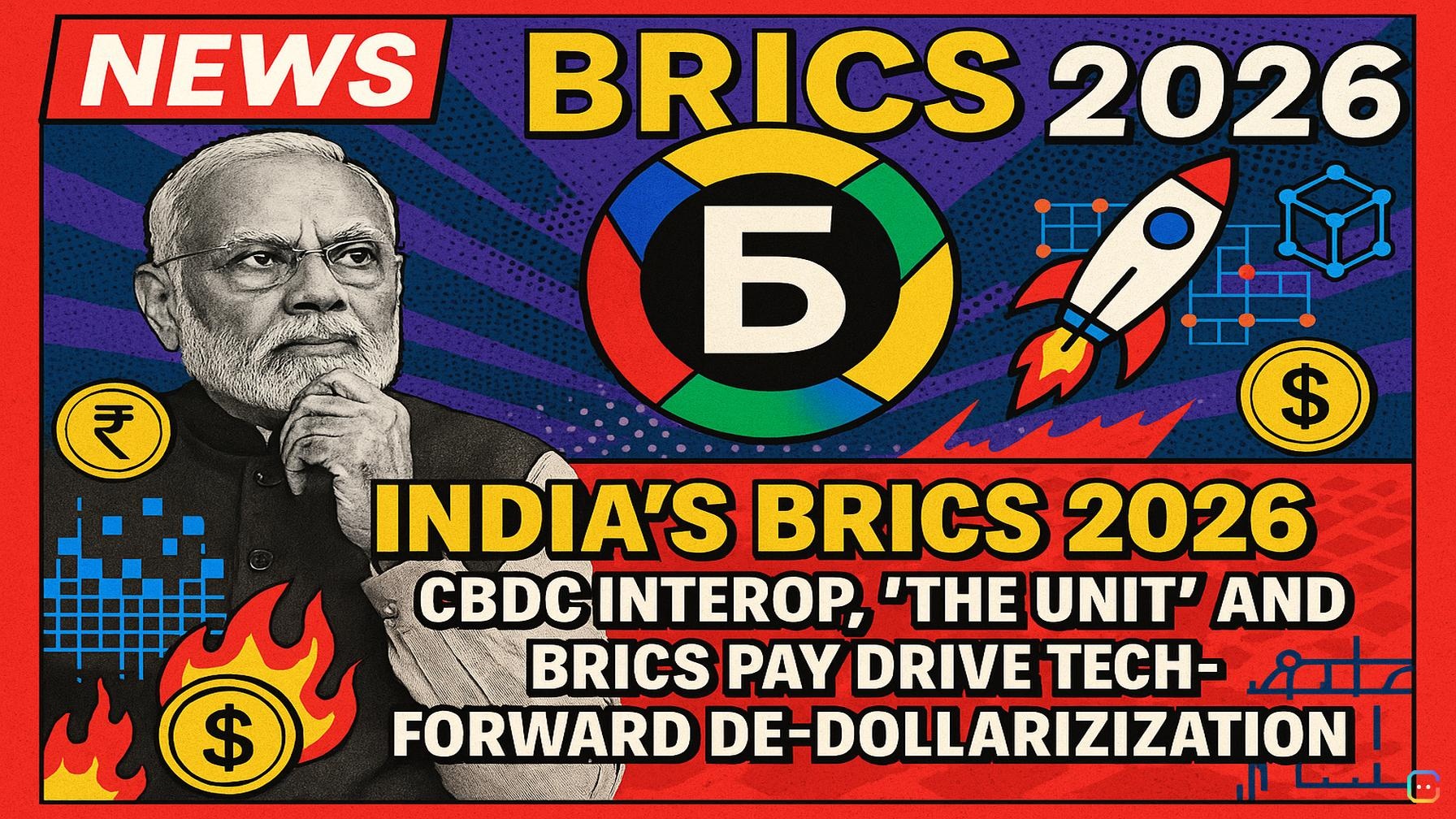
Headline: Fed paper finds dollar’s dominance moves in waves — not a one-way slide — with implications for a multi‑polar future
A new Federal Reserve study, Dollarization Waves: New Evidence from a Comprehensive International Bond Database, challenges the narrative that the US dollar is on a one‑way path to decline. Using more than six decades of bond-market data, the paper finds that the dollar’s share of international debt markets rises and falls in recurring waves rather than following a steady trend. Those historical cycles, the Fed suggests, help explain recent bouts of de‑dollarization without implying a permanent loss of dollar primacy.
Key takeaways from the study
- Dollar use is cyclical: Over 60+ years the dollar’s role in global debt markets has waxed and waned in several distinct waves rather than monotonically shrinking or expanding.
- De‑dollarization is real but cyclical: Political momentum and policy pushes to reduce reliance on the dollar — notably over the past two decades — have gained traction, but the Fed’s evidence points to cycles rather than irreversible displacement.
- RMB faces structural hurdles: China’s efforts to internationalize the renminbi have accelerated, yet the study underscores persistent barriers—liquidity, market depth and trust—that limit the RMB’s ability to replace the dollar at scale today.
- Dollar remains dominant in reserves and borrowing: The US dollar still makes up the bulk of global foreign‑exchange reserves, and many developing economies continue to borrow primarily in dollars, reinforcing the greenback’s central role in global finance.
What this means for the global monetary order
The Fed’s findings are a reminder that periods of relative dollar weakness don’t necessarily signal its permanent eclipse. Instead, history suggests the dollar can regain ground during later waves. At the same time, the long‑term trend may be toward greater currency plurality: a multi‑polar system in which the dollar remains preeminent but other currencies — and possibly new payment rails — play a larger role in international trade and finance.
Why crypto observers should care
- Volatility in dollar dominance can open windows for alternative stores and mediums of value. Crypto assets, stablecoins and tokenized reserves could see fluctuating demand as counterparties diversify away from fiat concentration.
- A move toward a multi‑polar currency landscape could accelerate innovation in cross‑border settlement infrastructure, where blockchain and crypto rails offer faster, programmable settlement options.
- Structural issues that limit the RMB’s rise—liquidity, convertibility and trust—are the same problems crypto proponents claim digital assets can address, but crypto faces its own hurdles (regulation, volatility and adoption) before becoming a mainstream substitute.
Bottom line
The Fed’s research reframes recent de‑dollarization headlines as part of a longer cyclical pattern rather than proof of irreversible decline. While the US dollar is likely to remain the dominant reserve and borrowing currency for the foreseeable future, the global system looks increasingly primed for greater plurality — a development that could create both challenges and opportunities for cryptocurrencies, stablecoins and alternative settlement technologies.
Read more AI-generated news on: undefined/news