BNY Mellon’s CEO: big banks will决定 how crypto goes mainstream
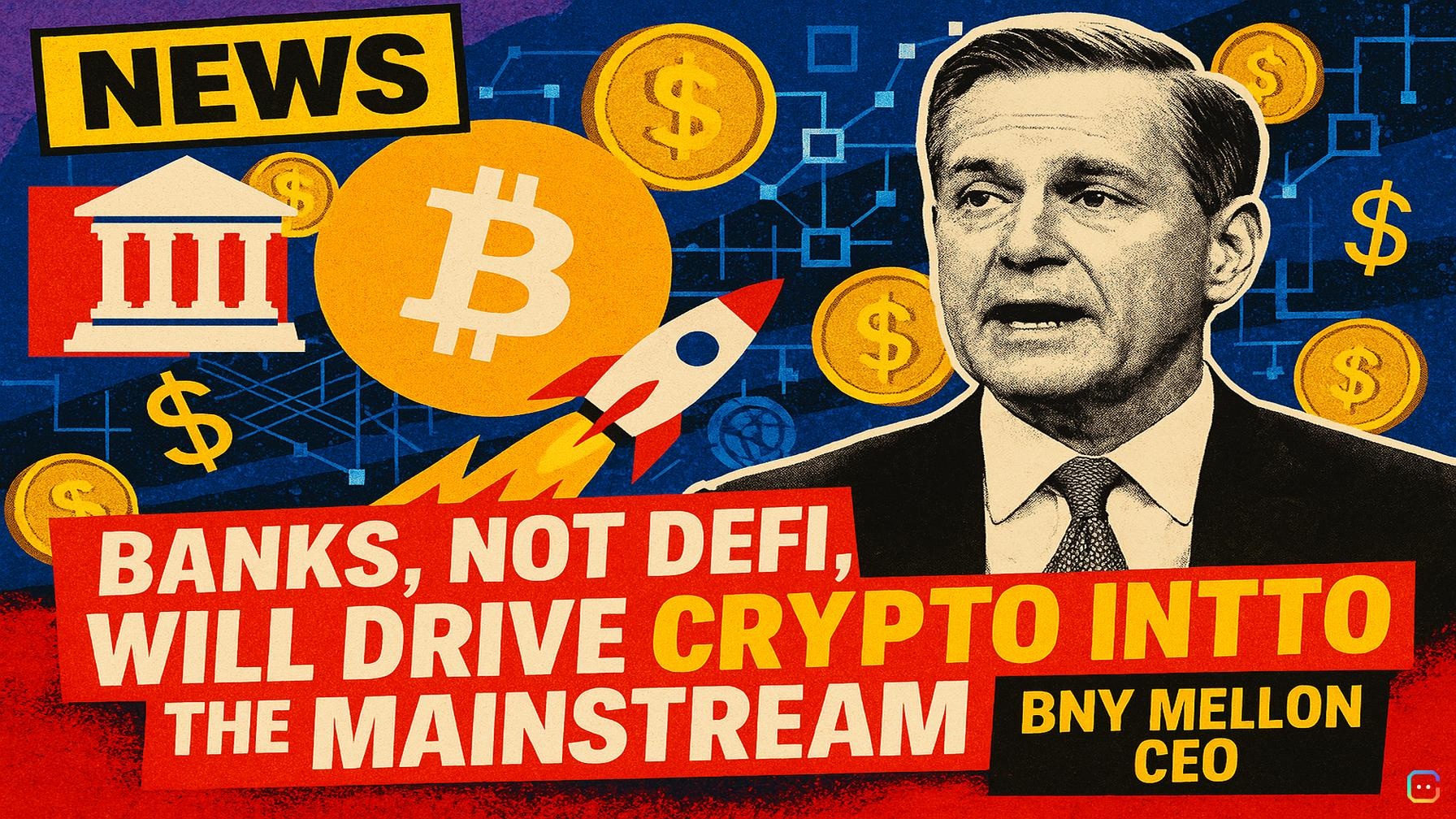
At the Digital Asset Summit in New York on Tuesday, BNY Mellon CEO Robin Vince argued that the next phase of crypto adoption will be driven not by do-it-yourself decentralization but by large, established financial institutions. “We can act as a very effective bridge between the traditional finance and the digital finance ecosystems,” Vince said, positioning banks as the critical link that can bring digital assets into the broader financial system.
BNY Mellon has already moved in that direction. The bank was among the first major custodians to offer digital-asset custody, a step Vince framed as consistent with the firm’s history of adopting new technologies. “We are a firm that’s grown up with a whole bunch of different technologies,” he said.
Why banks matter
Vince rejected the idea that decentralized finance will simply bypass incumbents. Instead, he painted banks as adoption vehicles that can scale crypto products by leveraging existing client relationships, compliance frameworks and operational infrastructure. “A technology that’s in search of adopters can sometimes struggle, but we are an adoption vehicle,” he said.
That role, he argued, lets firms like BNY support both traditional and digital-native players: clients look to banks to be a “bridge” into digital-asset markets while relying on the banks’ familiar services and oversight.
Tokenization and early use cases
A central theme of Vince’s remarks was tokenization — creating digital tokens that represent traditional financial products. BNY has already experimented with tokenized products, including “digital tokens, new share classes for money market funds,” he said, allowing existing funds to be issued in tokenized form to encourage uptake.
Vince expects early adoption of tokenization to focus on parts of finance where current systems are “clunky,” calling out loans and real estate as likely candidates for early gains from tokenized models.
Regulation, trust and a long timeline
But Vince stressed that broader institutional participation depends on clear rules and trusted oversight. “We need clarity and rules of the road,” he said, warning that regulatory uncertainty and a “Wild West” perception will keep about “90% of the financial services community” on the sidelines.
His timeline for meaningful change is measured: “This will be a 5, 10, 15 year journey,” he said, noting that progress hinges on technology, regulation and market participation. “It’s all of the above. That shouldn’t stop us from getting excited about getting going.”
Where the policy debate stands
Vince’s comments come amid active congressional efforts to define a regulatory framework for institutions to participate safely in digital assets. In the U.S., a stablecoin-focused GENIUS Act has passed, while a revised version of the Digital Asset Market Clarity Act remains unsettled after lawmakers shared updated language with industry participants in a closed-door Capitol Hill session this week. That updated draft is being shepherded toward a potential Senate Banking Committee hearing.
Early industry feedback suggests the draft’s treatment of stablecoin yields is a sticking point. A proposed compromise — reportedly influenced in part by pressure from banks — would allow rewards tied to user activity but not permit interest on stablecoin balances, underscoring ongoing tensions between crypto firms and traditional lenders over how stablecoin products should be regulated.
Bottom line
Vince’s message was clear: large banks are positioning themselves to import crypto into mainstream finance by offering custody, compliance and scaled access, while tokenization could unlock improvements in slow-moving markets like loans and real estate. But widespread institutional adoption will require regulatory clarity and time — a multi-year process that, according to BNY’s CEO, banks are ready to help accelerate.
Read more AI-generated news on: undefined/news