NYDIG: the recent flood of STRC preferreds is creating a new, meaningful source of bitcoin demand — but it’s being widely misunderstood.
In a March 20 research note, NYDIG lays out a different way to think about the preferred-stock boom around Strategy and similar vehicles (like Strive’s SATA). Rather than conventional corporate credit, NYDIG argues these securities form an actively managed, bitcoin-backed liability system whose viability depends on access to capital markets and investor confidence.
Key takeaways
- Heavy issuance: Strategy issued about $1.2 billion of STRC in the past week, lifting total STRC outstanding to just over $5 billion. Combined with roughly $5 billion of other preferred equity, the company’s preferred stack now tops $10 billion and has eclipsed convertible debt in the capital structure.
- Not traditional debt or equity: STRC and SATA sit junior to debt but senior to common equity, are unsecured, carry variable/discretionary dividends, and offer limited governance rights. NYDIG warns they are “not well understood through the lens of traditional credit or equity.”
- Market-dependent funding model: These securities are not designed to be serviced by operating cash flow or corporate earnings. Instead, preferred issuance is the core funding product, and the balance sheet — anchored by bitcoin holdings — is built to support continued capital markets funding. That makes traditional solvency metrics (EBIT-to-interest coverage, etc.) poor gauges of sustainability.
- No automatic liquidation on price moves: NYDIG pushes back against the idea that a bitcoin price drop would automatically trigger mass liquidations. Strategy’s debt is generally unsecured with limited covenants; defaults are typically triggered by payment failures or bankruptcy, not mark-to-market declines. Preferreds have no hard triggers tied directly to bitcoin prices, though they are exposed to management discretion and subordination risk.
- The “flywheel” dynamic: When preferreds trade near par (around $100), issuers can raise capital efficiently and use it to buy bitcoin, which strengthens the asset base and balance sheet. If common equity trades above NAV, equity issuance can be accretive on a bitcoin-per-share basis, reinforcing the loop: capital access funds bitcoin purchases → balance sheets look stronger → investor confidence sustains issuance.
- It’s conditional and reversible: That loop only runs while preferreds remain anchored near par, equity trades above NAV, and capital markets stay open. If bitcoin falls, confidence weakens, or preferreds slip below par, issuance can become unaffordable or stop — without needing outright insolvency. Adjustments would likely fall first on the preferred layer via dividend deferrals, rate tweaks, or deeper subordination.
- An options-like risk: NYDIG likens STRC to being short a put on the company’s bitcoin coverage — investors earn yield in exchange for downside risk if bitcoin erodes the asset cushion. Unlike a standard option, there’s no fixed strike or maturity; outcomes hinge heavily on management decisions.
Why this matters
NYDIG’s framing reframes what many market participants thought of as a routine funding tool into a reflexive, market-dependent engine that can create meaningful incremental bitcoin demand — but that demand is fragile and hinges on continued market access and confidence.
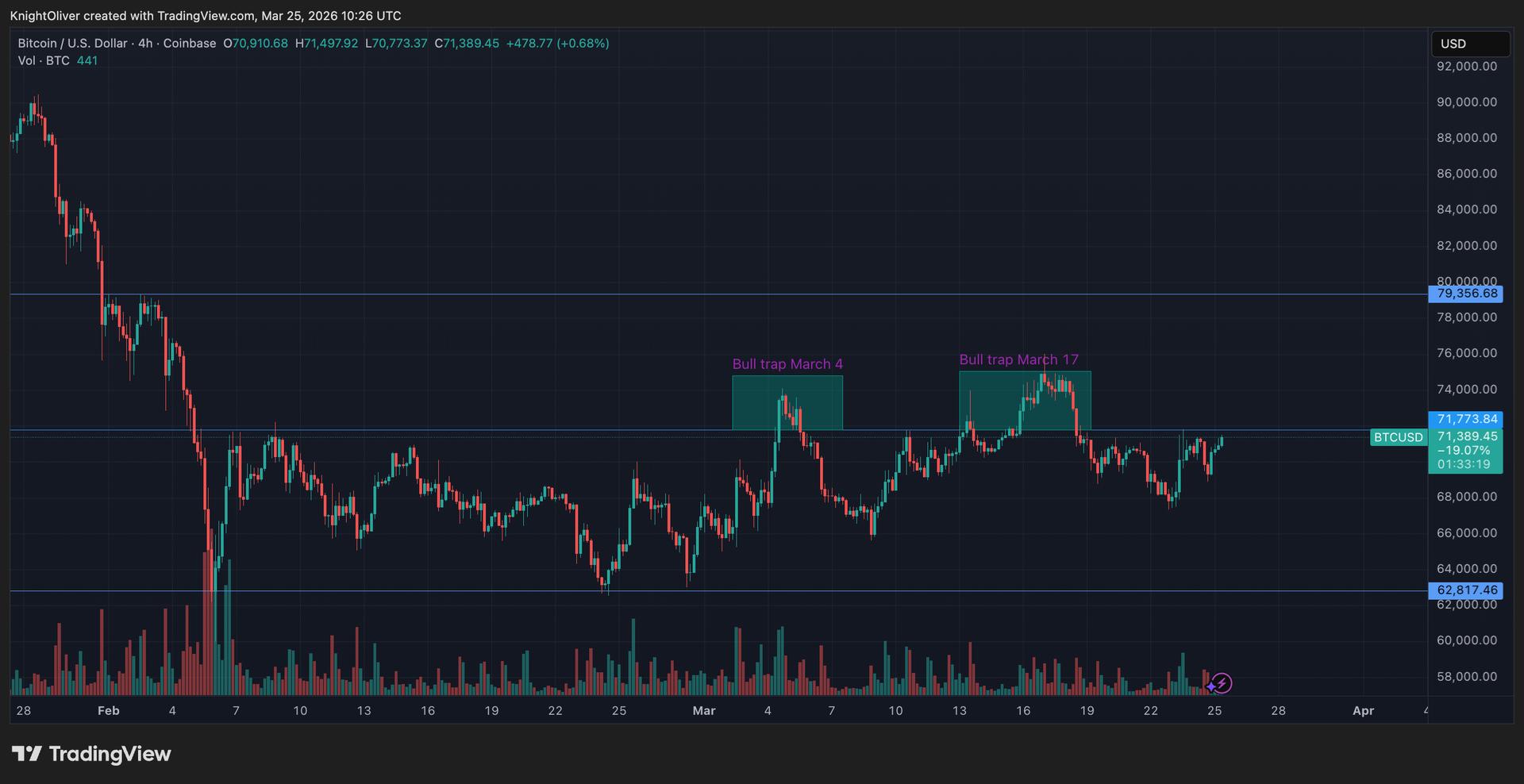
Bitcoin price at press time: $70,885.
Read more AI-generated news on: undefined/news