U.S.–Iran tensions, a blockbuster week of trading, and an insider-betting scandal have pushed prediction markets into the crosshairs of Washington lawmakers.
What happened
- In the week ending March 9, activity on prediction platforms exploded. Cointelegraph’s data shows Polymarket’s nominal volume hit $2.49 billion, while CFTC‑regulated Kalshi posted $2.85 billion. Across all prediction venues, nominal volume topped $14.5 billion and unique users rose to 2.8 million.
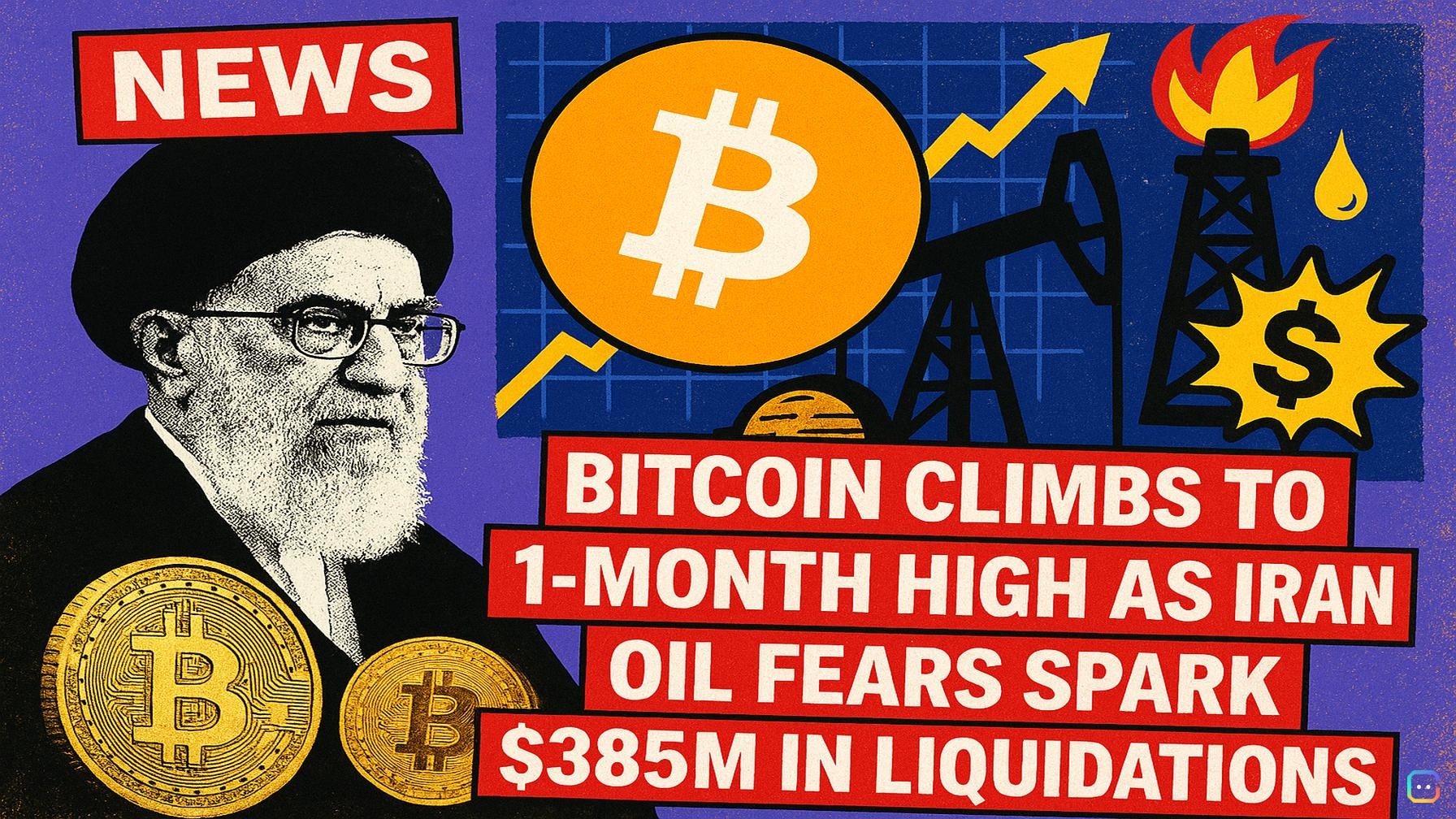
- Much of that surge was driven by traders pricing the odds of an American strike on Iran as geopolitical tensions escalated.
The political response
- Democratic Senator Adam Schiff introduced the “DEATH BETS Act,” which would amend the Commodity Exchange Act to explicitly bar federally regulated prediction markets from listing contracts tied to war, terrorism, assassinations, or individual deaths.
- While regulators have historically used discretion when approving “event contracts,” the bill would codify a clear prohibition on markets that trade on human catastrophe.
The scandal that changed the optics
- The legislation follows a recent controversy in which six Polymarket users were accused of using insider information to win roughly $1 million betting on the timing of a U.S. strike on Iran. The episode crystallized a key criticism: prediction markets may be vulnerable to privileged actors monetizing sensitive information rather than functioning purely as public forecasting tools.
Why this matters for crypto prediction platforms
- Growth has finally reached institutional scale, but it’s concentrated in the kinds of geopolitically sensitive contracts now singled out by lawmakers.
- If Washington’s approach becomes a regulatory template, onshore and regulated platforms will likely shift toward less contentious products—macroeconomic data, elections, sports—while high-information, high-liquidity markets could migrate offshore or into decentralized finance’s gray zones.
- In short: the market’s most informative contracts may be the ones most at risk of being forced out of regulated venues.
Bottom line
Regulators are moving to draw a firm line around trades tied to violence and death. For crypto-native prediction markets, that could mean a reshaping of product offerings and liquidity—potentially pushing controversial but information-rich markets outside the reach of U.S. oversight.
Read more AI-generated news on: undefined/news