SEC quietly ends civil suit against BitClout founder Nader Al‑Naji
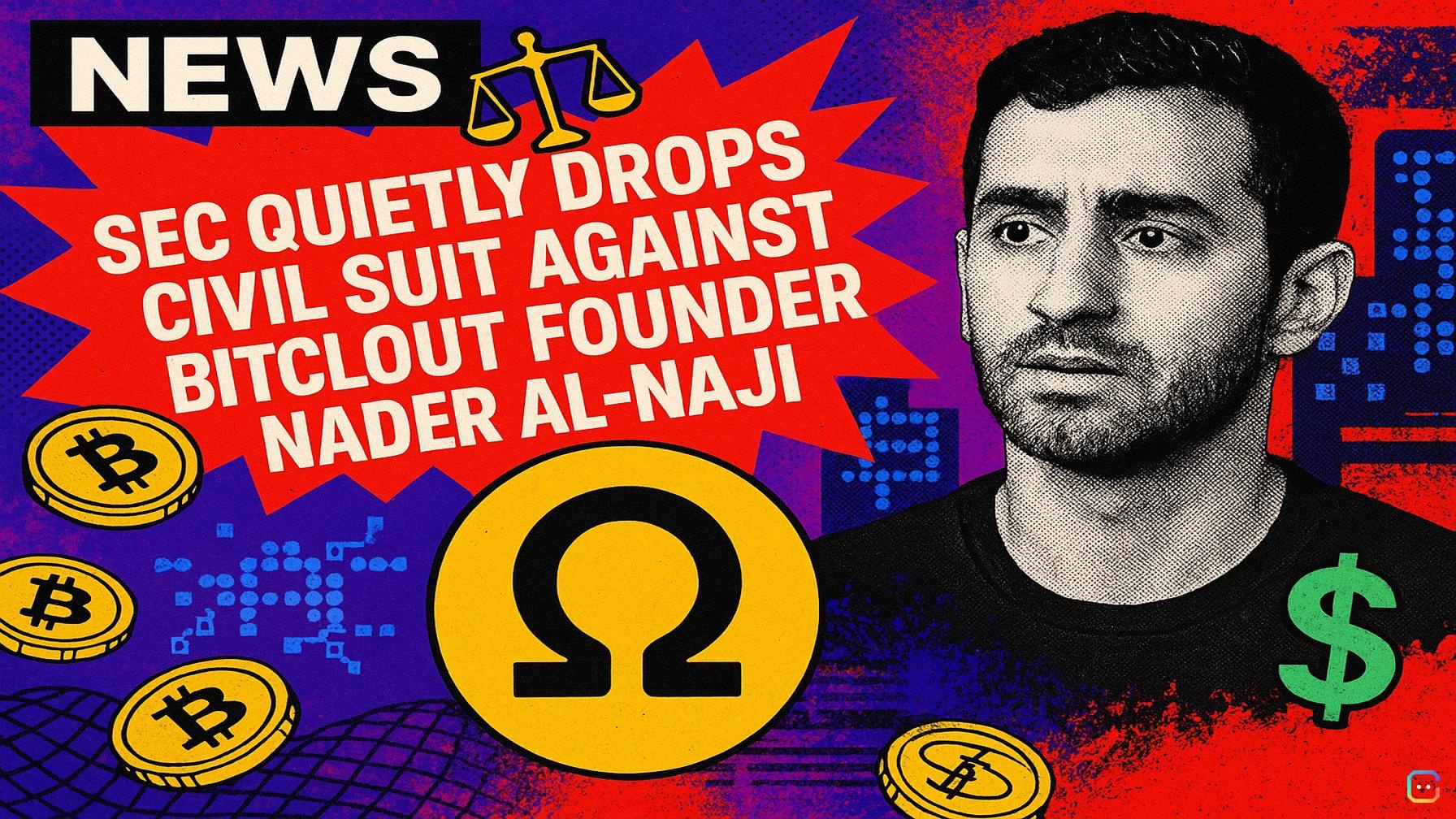
The U.S. Securities and Exchange Commission has dropped its civil enforcement action against BitClout founder Nader Al‑Naji and several related defendants, the agency and Al‑Naji agreed in a joint stipulation filed March 12 in the U.S. District Court for the Southern District of New York. The SEC said the decision was “based on the particular facts and circumstances of this case.” The stipulation closes the litigation permanently and prevents the SEC from refiling the same claims.
Background of the case
The SEC sued Al‑Naji in July 2024, accusing him of violating securities laws through BitClout (later tied to the DeSo blockchain), primarily over the sale of the platform’s native token, BTCLT. The agency alleged roughly $257 million was raised from token sales and accused Al‑Naji of diverting more than $7 million of investor funds to personal expenses — including renting a Beverly Hills mansion and making “extravagant cash gifts.” At the time, the Department of Justice also brought related charges that included wire fraud.
Named parties and legal fallout
The court filing also named several “relief defendants,” including Buse Desticioğlu Al‑Naji, Joumana Bahouth Al‑Naji, Intangible Holdings LLC, Firestorm Media LLC, Viridian City LLC and the DeSo Foundation. Under the stipulation, Al‑Naji and the relief defendants waived any claims for attorney’s fees or damages related to the investigation or litigation.
Why BitClout was controversial
Launched in early 2021 as a proof‑of‑work blockchain for monetizing social media, BitClout drew immediate controversy. The platform automatically created profiles for public figures by scraping their X (then Twitter) accounts without consent, prompting legal threats over publicity rights. Its “creator coin” mechanic — which lets users buy and sell tokens tied to individuals — raised concerns that the system could incentivize reputational attacks (and allow profit from shorting a person’s token). Critics also pointed to friction in the token flow: users had to convert bitcoin into BTCLT to use the site, with no simple way to convert back, effectively locking funds on the platform.
Al‑Naji had said BitClout attracted interest from major venture firms, including Andreessen Horowitz, Sequoia, Coinbase Ventures and Digital Currency Group.
What this means for crypto enforcement
The SEC’s withdrawal of this civil case removes a high‑profile enforcement fight over a tokenized social network, but it leaves open broader questions about how regulators will handle novel token models and platform firms that blur social media and financial products. The joint stipulation ends this chapter legally, but the episode underscores the regulatory and reputational risks projects can face when token mechanics and user data collide.
Read more AI-generated news on: undefined/news