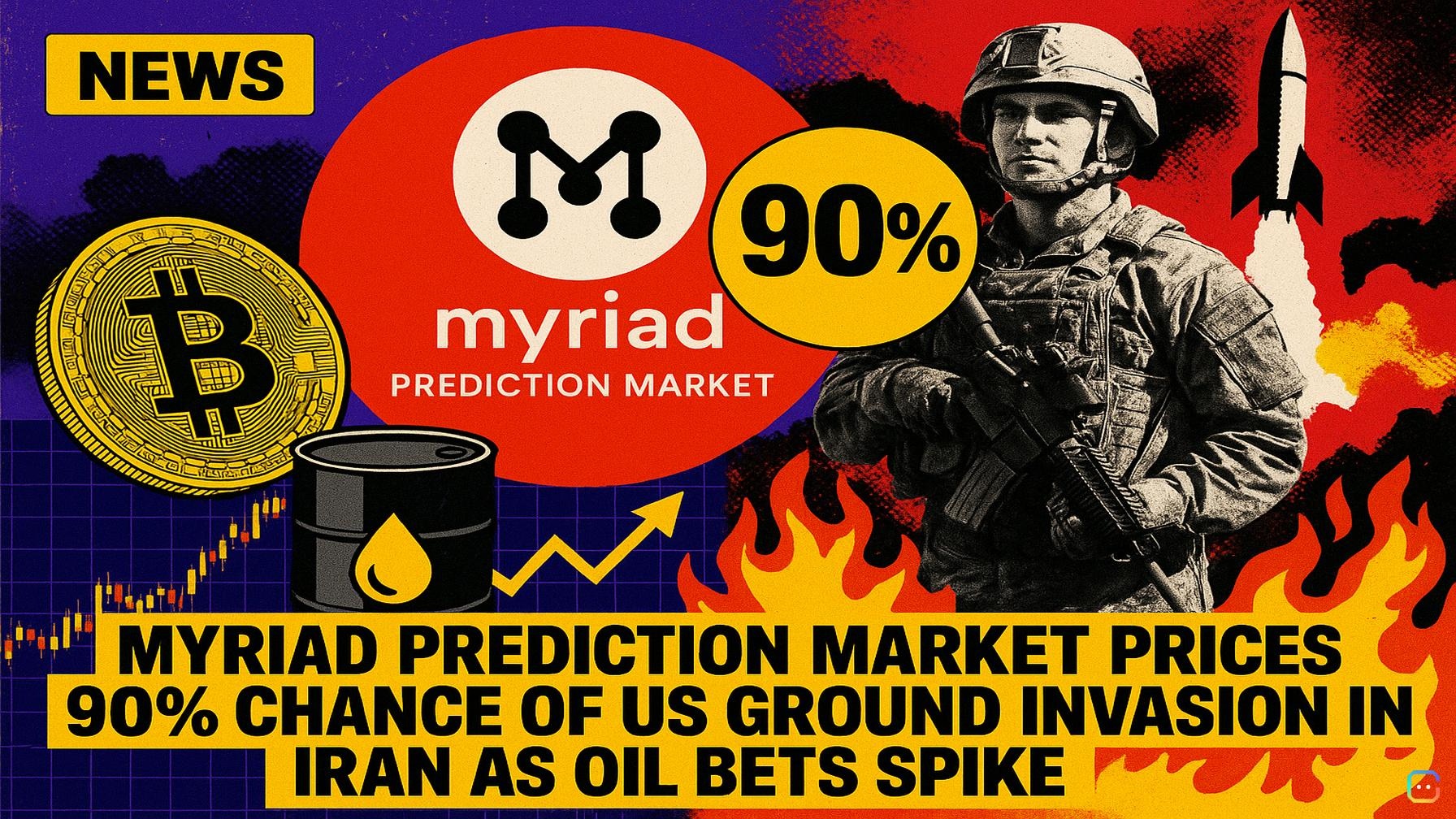
Geopolitical flare-ups around the Strait of Hormuz have sent shockwaves through energy markets — and crypto traders are watching closely.
Why oil matters now
- Year-to-date crude is up more than 60%, at one point pushing prices toward the $90-per-barrel area. Markets have rapidly baked in the risk that attacks on shipping could disrupt roughly 20% of global oil exports. Nearly 35% of seaborne oil transits the Strait of Hormuz, so any escalation there quickly translates into higher volatility and risk premia. (Source: Darkfost / X)
Macro channels linking oil and crypto
- History shows Brent volatility often lines up with transitional phases in Bitcoin market cycles. Major crude rallies in 2018 and 2022 coincided with cooling momentum or consolidation in Bitcoin, suggesting energy shocks can matter for risk assets.
- Mechanically, a sharp rise in energy costs boosts inflation expectations, which pressures central banks to tighten. Tighter liquidity commonly prompts investors to cut exposure to high-beta, speculative assets like Bitcoin.
- Counterpoint: some analysts argue inflation shocks can also strengthen the narrative of Bitcoin as a scarce hedge against currency debasement, so the macro effect on BTC remains contested.
Recent market interventions and their impact
- Crude briefly surged to about $116 amid fears of supply disruption tied to the Iran situation. In response, the G7 and IEA announced a coordinated release of 400 million barrels from strategic reserves — a move that knocked crude down roughly 11% to near $103. Prices declined further after comments from former President Trump suggesting the Iran conflict could soon end. These rapid energy swings feed into broader liquidity dynamics that influence crypto markets: rising oil tends to harden monetary policy expectations; falling oil can ease them and give risk assets room to breathe.
Where Bitcoin stands
- At the time of writing, Bitcoin was holding around $68,171, up about 1.3% despite the macro pressure. That relative stability comes alongside on-chain signs of tightening supply and rising institutional positioning.
- CME futures activity has intensified, with volumes topping 569,000 contracts as institutional desks price in a potential prolonged energy shock. (Source: CryptoQuant)
- Exchange reserves have dropped to roughly 2.7 million BTC — the lowest since November 2019 — indicating Long-Term Holders continue to withdraw coins from liquid markets. That trend points toward capital diversification and long-term accumulation rather than a wholesale rotation into energy or other assets.
Bottom line
Energy-driven geopolitics have reintroduced a powerful macro variable into crypto risk pricing. Emergency releases from strategic reserves and political developments can quickly reverse price pressure, but a sustained escalation around the Strait of Hormuz would re-tighten inflation and liquidity conditions — a scenario that historically crimps appetite for speculative bitcoin positions. For now, Bitcoin shows resilience, but the interplay between oil, rates and crypto remains a key watchlist item for traders and allocators.
Sources: Darkfost / X; CryptoQuant
Disclaimer: AMBCrypto's content is informational only and not investment advice. Trading cryptocurrencies carries high risk. Do your own research before making decisions. © 2026 AMBCrypto
Read more AI-generated news on: undefined/news