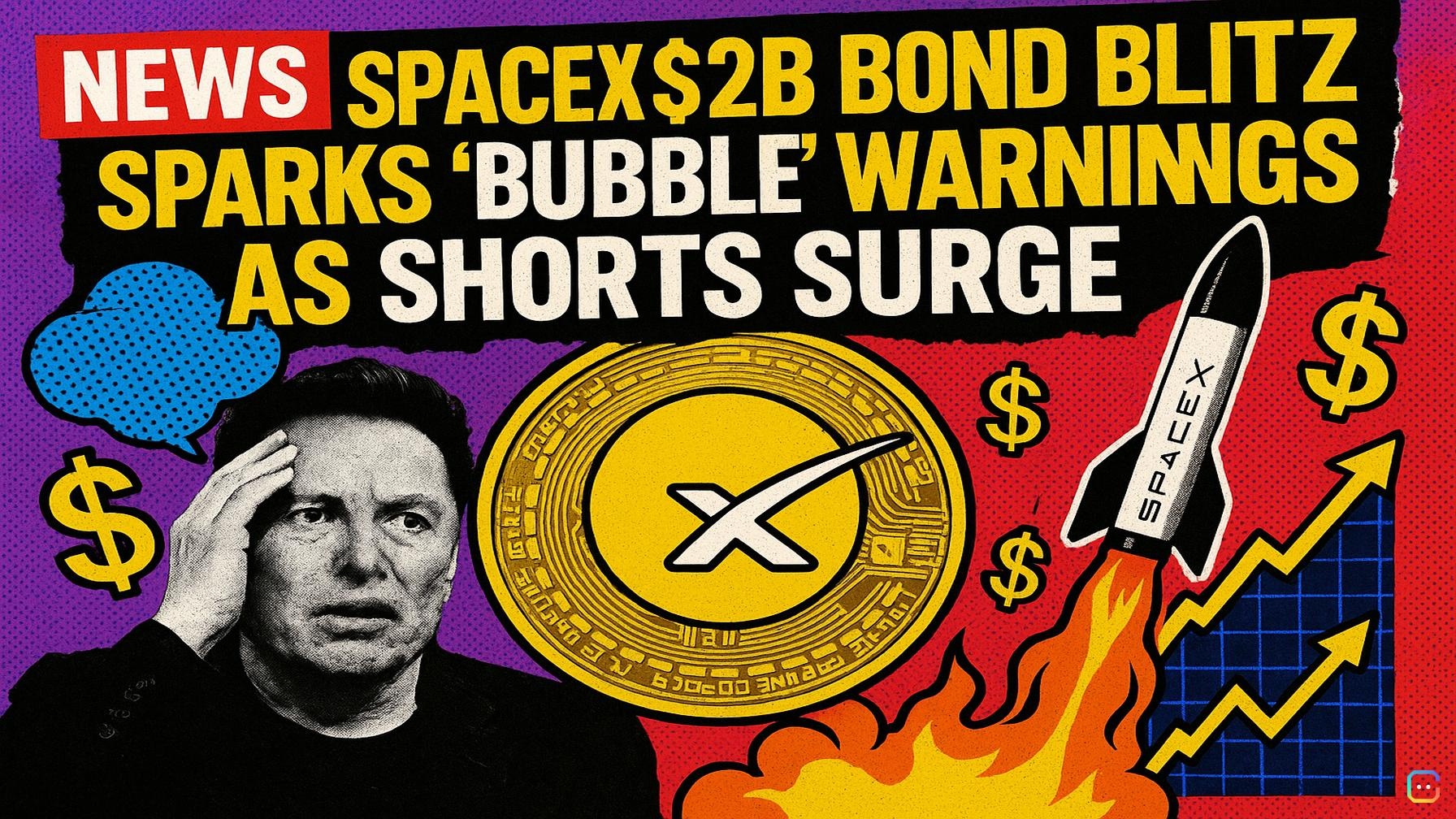
Tokenized SpaceX exposure saw significant liquidations this week, highlighting how crypto-style leverage is starting to creep into private-market equity products — and why that matters for investors, platforms and regulators.
Backpack Exchange data shows leveraged bets tied to tokenized SpaceX positions were forcibly closed as broader risk appetite waned. The episode illustrates a growing tension: tokenized shares are pitched as a way to democratize access to coveted late-stage companies, but when those products are paired with margin and leverage they can behave more like high-volatility crypto derivatives than traditional equity.
Why SpaceX matters
SpaceX is a natural magnet for tokenized demand. Its brand recognition, scarcity of supply and strong investor interest make any form of fractionalized exposure attractive to traders who otherwise can’t access late-stage private equity. That demand is fueling a wider rollout of tokenized private-market products — but appetite alone doesn’t eliminate structural risk.
Where tokenization diverges from stock ownership
Tokenized private equities often differ materially from direct stock ownership. Key limitations can include:
- jurisdictional restrictions and investor eligibility rules
- redemption mechanics and the absence of a direct path to underlying shares
- liquidity constraints that can amplify price swings
- the legal structure of the underlying claim, which may not confer shareholder rights
When leverage is added on top of those constraints, tokenized positions can spike in volatility and become vulnerable to rapid liquidations — exactly what happened in this SpaceX-linked instance.
Bigger picture: market structure and regulatory scrutiny
The SpaceX liquidations are more than a single headline. They are another data point in a market where regulation is getting more specific, institutional-style products are migrating toward conventional financial rails, and traders are quick to punish thinning liquidity. If tokenized private-market offerings are marketed as democratized access but effectively operate like leveraged derivatives, regulators are likely to step in.
What platforms should get right
Tokenizers can’t just wrap an asset and call it democratization. Platforms need transparent rules around custody, pricing, leverage limits, disclosures and who can trade these products. Clear guardrails will matter both for investor protection and for sustaining institutional credibility.
How to read the episode
This isn’t proof of a broader market shift on its own, but it’s a useful signal. Traders, builders and investors should treat tokenized liquidations as part of a wider story about where capital, regulation and infrastructure are moving in crypto and real-world assets. Rather than seeing this as a guaranteed price catalyst, the important question is what it changes about product design, risk management and oversight going forward.
This coverage is based on data from Backpack Exchange. Reported by the News Desk; edited by Samuel Rae.
Read more AI-generated news on: undefined/news