Headline: Brazil reiterates ban on crypto campaign donations ahead of 2026 elections
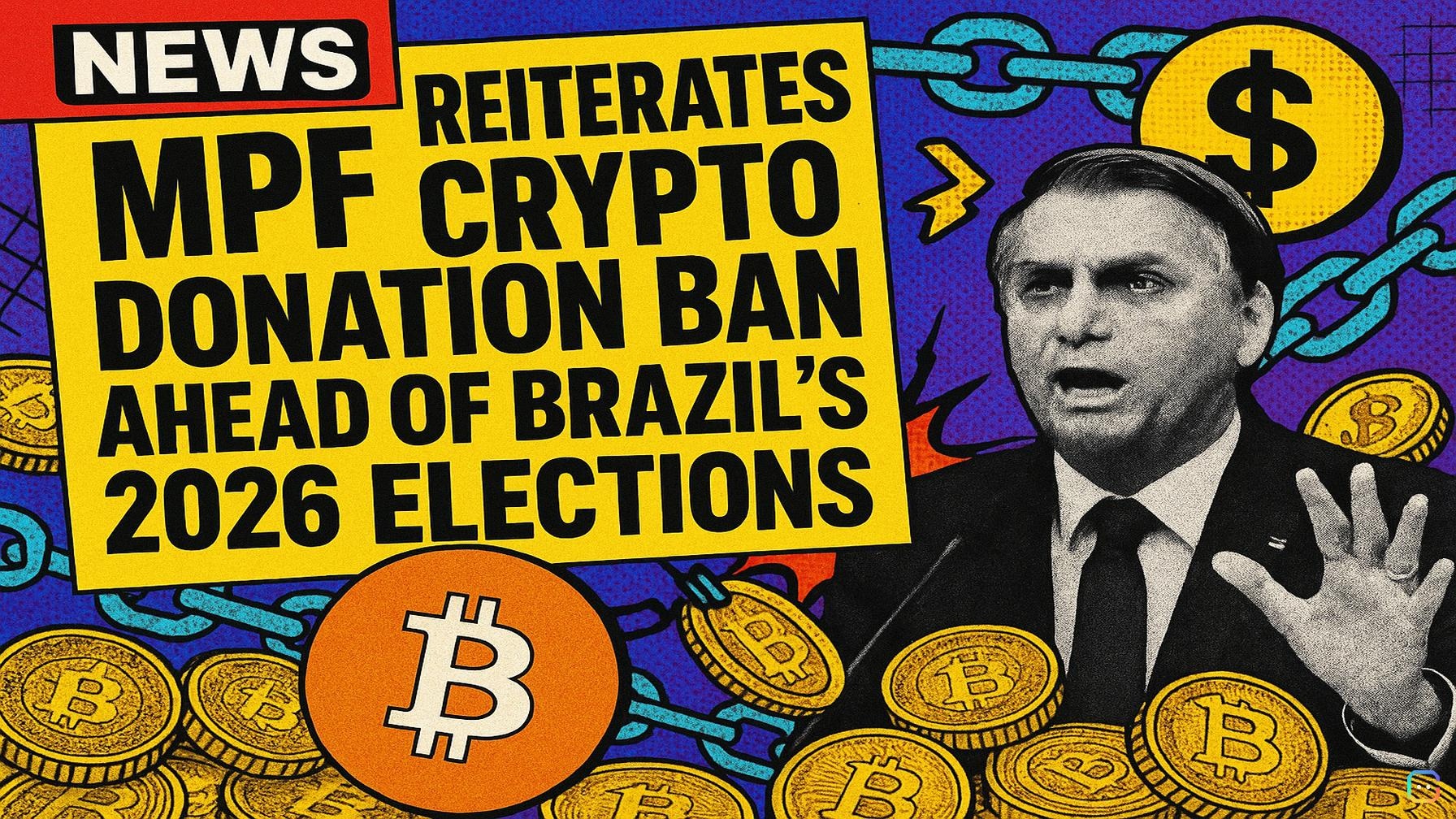
Brazil’s Federal Public Ministry (MPF) has reminded political parties and candidates that cryptocurrencies cannot be used to fund election campaigns — a warning that revives a rule that’s been in place since 2019 and signals tighter controls where digital assets intersect with politics.
What the MPF said
- In a June 22 post in its “Me explica, MPF!” series, the agency reiterated that electoral rules bar virtual-currency donations, citing Superior Electoral Court Resolution 23.607/2019.
- The MPF explained the ban stems from the need for full donor identification; the pseudonymous nature of most crypto transactions makes them incompatible with Brazil’s campaign-finance transparency requirements. “Electoral rules prohibit the use of cryptocurrencies for donations to parties and candidates,” the notice stated.
How donations must be handled
- Brazilian election law requires campaign donations to flow through channels that clearly identify both donor and recipient so authorities can audit accounts and trace the source of funds.
- Allowed methods include Pix and bank transfers when the donor is identifiable. Crowdfunding is permitted only via platforms registered and authorized by the Superior Electoral Court.
Penalties for non-compliance
- Parties or candidates that accept crypto donations risk fines, having funds returned to the National Treasury, or facing legal proceedings related to abuse of economic power.
Why this matters now
- The reminder arrives well ahead of Brazil’s October 2026 elections (first round Oct. 4; potential runoff Oct. 25), giving campaigns little ambiguity about acceptable funding methods.
- It does not create a new law but restates the existing 2019 rule: unless electoral rules change, crypto contributions remain off-limits.
Broader regulatory context
Brazil has been clarifying limits on digital assets across other election- and market-related areas:
- Prediction markets: In April, authorities restricted platforms from offering contracts tied to political, electoral, social, cultural and sports events — Reuters reported 27 platforms were blocked or limited, including markets previously offered by services like Polymarket and Kalshi, with event contracts narrowed to areas such as economic indicators.
- Payments and exchanges: In May, Brazil barred crypto from regulated cross‑border payment rails, keeping virtual assets out of supervised eFX settlement (without banning domestic crypto transfers).
- Ongoing rulemaking: Regulators have introduced an audit mandate for exchanges seeking authorization and lawmakers advanced tighter stablecoin rules — including a proposed ban on algorithmic stablecoins and requirements for full backing of domestic issuers.
- Tax policy: A planned crypto tax consultation was paused during the election year, illustrating selective timing in rulemaking while enforcement continues in payments, exchanges and campaign finance.
Bottom line
The MPF reminder underscores a clear line: campaign finance in Brazil must be auditable and transparent, and under current electoral rules cryptocurrencies don’t meet that standard. For political actors and crypto firms, the message is straightforward — digital-asset use is increasingly defined and constrained where it touches elections and regulated markets.
Read more AI-generated news on: undefined/news