US steps up pressure on Iran’s crypto operations as tensions rise
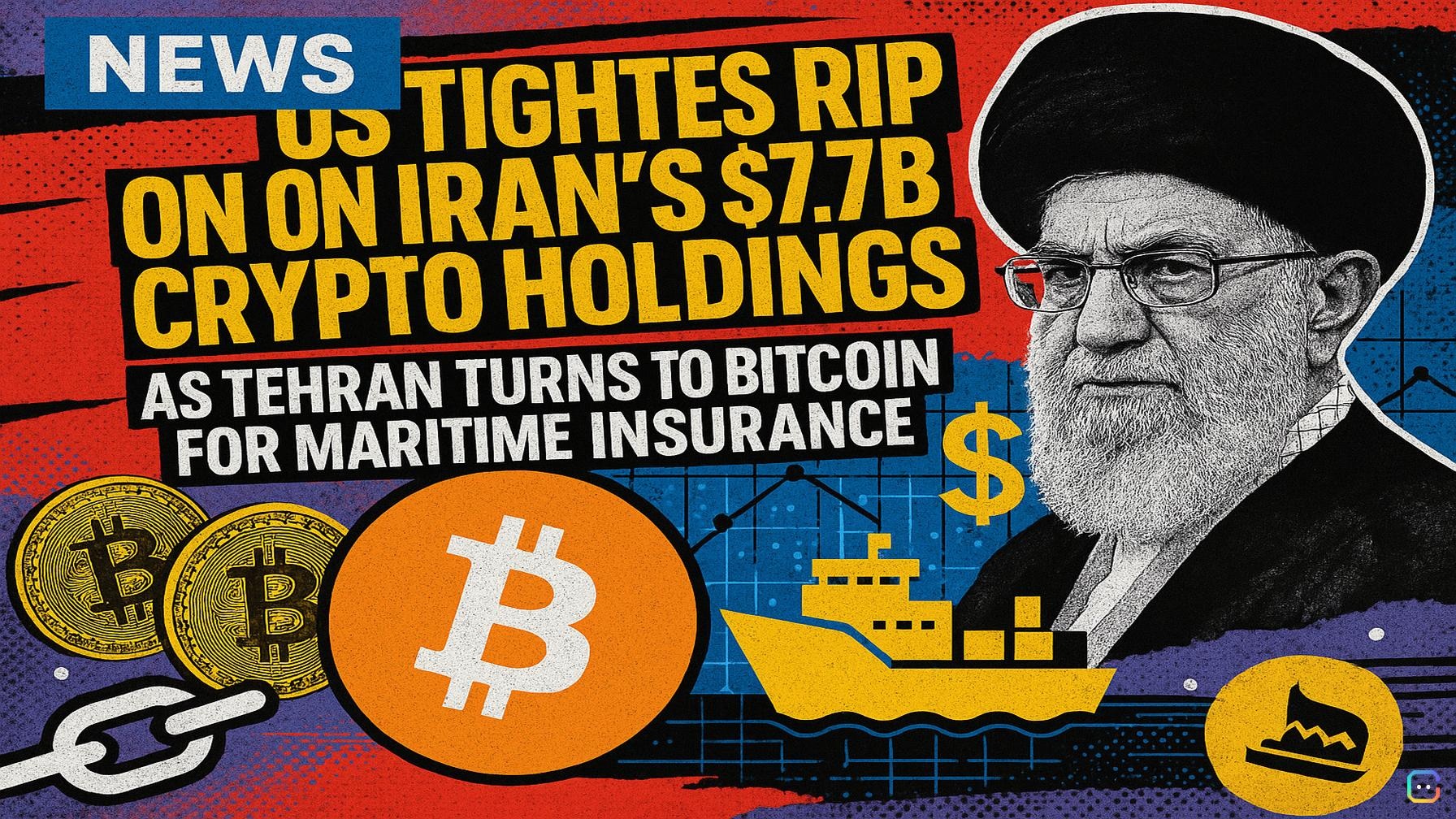
U.S. authorities are intensifying efforts to disrupt Iran’s use of cryptocurrencies, aiming to choke off digital financing channels tied to the regime amid growing Middle East tensions. A Fox Business report on Wednesday cited figures from a threat-detection data firm estimating Tehran controls roughly $7.7 billion in digital assets — a sum that has drawn renewed scrutiny from regulators and law enforcement.
Why crypto isn’t a perfect hideout
Despite narratives that digital assets let sanctioned actors slip through the cracks, investigators say blockchain activity often leaves traceable trails. Chris Perkins, CEO of 250 Digital Asset Management, tells Fox Business that adversaries using crypto frequently leave “breadcrumbs” — transaction patterns and links that make it possible for forensic teams to follow the money. In short, blockchain’s public ledger can be a double-edged sword for illicit actors.
Increasing pressure on on-ramps and exchanges
U.S. officials are reportedly exploring additional levers to limit Iran’s crypto access. One tactic under consideration is tightening pressure on crypto on-ramps — the fiat-to-crypto gateways that make moving value into the blockchain ecosystem possible. Industry insiders say Washington could escalate by threatening to cut crypto exchanges off from the American banking system, a move that would significantly raise operational and compliance risks for firms processing transactions tied to sanctioned networks.
Iran pivots to crypto for maritime insurance
At the same time, Tehran appears to be doubling down on crypto-based financial strategies. Reports indicate the Iranian Ministry of Economic Affairs and Finance has advanced a digital insurance platform for cargo transiting the Strait of Hormuz. According to earlier coverage by Bitcoinist, payments for the scheme are being settled entirely in Bitcoin (BTC), effectively tying Iran’s maritime finance strategy to the crypto ecosystem targeted by U.S. enforcement.
Financial stakes are substantial
Supporters of the Iranian plan claim the initiative — which would include maritime insurance products and certificates of financial responsibility — could generate more than $10 billion in revenue. That potential makes the program an attractive alternative funding stream and a test case for how effectively international enforcement can limit sanctions evasion when blockchain rails are involved.
What this means for crypto markets and compliance
For the crypto industry, the developments highlight two intertwined risks: increased regulatory scrutiny and operational exposure for on-ramps and custodial services that touch sanctioned parties. For investigators, the episode underscores how blockchain analytics and traditional financial pressure can be used in tandem to pursue state-linked financial activity.
As Washington continues to weigh tools ranging from targeted enforcement to banking-pressure tactics, the standoff will be a key watchpoint for exchanges, institutional custodians, and compliance teams monitoring sanction risk and cross-border crypto flows.
Read more AI-generated news on: undefined/news