The Trump administration will reveal fresh details about its Strategic Bitcoin Reserve (SBR) “in the next few weeks,” White House crypto adviser Patrick Witt said at Consensus 2026 in Miami — framing the upcoming announcement as both a policy milestone and a response to a recent alleged security breach involving crypto assets held by the U.S. Marshals Service.
Quiet work, public payoff
Witt said much of the SBR and broader U.S. Digital Asset Stockpile work has been happening behind the scenes since President Trump signed an executive order in March 2025 creating the two programs. The SBR is intended to be funded with bitcoin permanently forfeited to the Treasury via criminal or civil asset forfeiture; the separate stockpile covers other seized digital assets under a different framework. The next update, he said, will lay out “exactly the progress that’s been made and where we’re going from here.”
A custody wake-up call
Witt directly tied the timing of the public update to a recent exploit that targeted assets controlled by the U.S. Marshals Service. He said the incident underscored why the SBR was necessary and why the government must treat custody of digital assets differently from legacy asset-management systems. “Custody is unique for digital assets,” he said, adding that the administration has made “a tremendous amount of progress” on custody arrangements and legal interpretations while operating largely out of public view.
Who was behind the alleged theft?
Blockchain investigators linked the exploit to John Daghita — known online as “John” or “Lick.” Researcher ZachXBT traced movement of funds from government-controlled addresses to wallets associated with that persona. TRM Labs later reported Daghita was arrested in Saint Martin in a joint operation with the French Gendarmerie and the FBI, and authorities allege he stole crypto from wallets tied to the U.S. Marshals Service.
How much was taken?
TRM’s analysis traced some of the movement back to cryptocurrency seized in connection with the 2016 Bitfinex hack, and said roughly $24.9 million of the traced funds originated from a U.S. government-controlled wallet. ZachXBT has alleged the total theft could exceed $46 million, claiming Daghita abused access at CMDSS — a firm reportedly tied to his father that had a contract with the U.S. Marshals Service.
Executive action vs. legislation
Witt previewed the imminent announcement days earlier at Bitcoin 2026 in Las Vegas, saying the administration had spent months ironing out legal interpretations needed to protect bitcoin on the government balance sheet. He suggested the executive branch can take “a big step forward” on custody and management before Congress acts — but stressed that legislated authority will be needed to make the policy harder for a future administration to reverse.
Why it matters
The episode highlights two converging trends: governments are accumulating crypto through forfeitures and must quickly adopt custody protocols that match the technical realities of digital assets, and high-profile breaches amplify political and legal pressure to formalize those protocols. How the administration designs custody, auditing, and transparency for the SBR could set precedents for other nations and for private institutions handling large crypto holdings.
Market snapshot
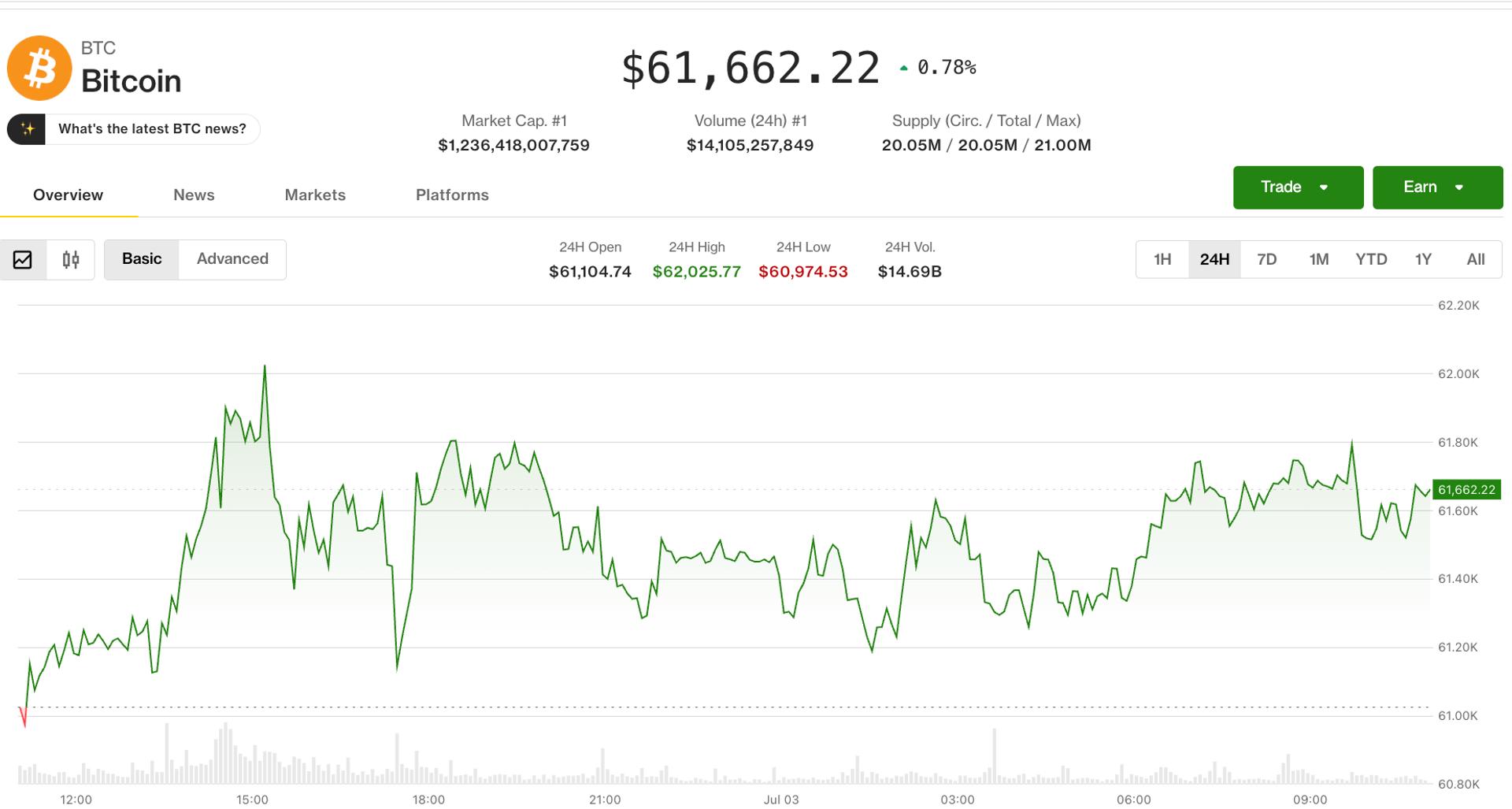
At press time, BTC traded around $81,530.
Keep an eye on the White House announcement in the coming weeks for specifics on custody architecture, legal guardrails, and how seized crypto will be managed going forward.
Read more AI-generated news on: undefined/news