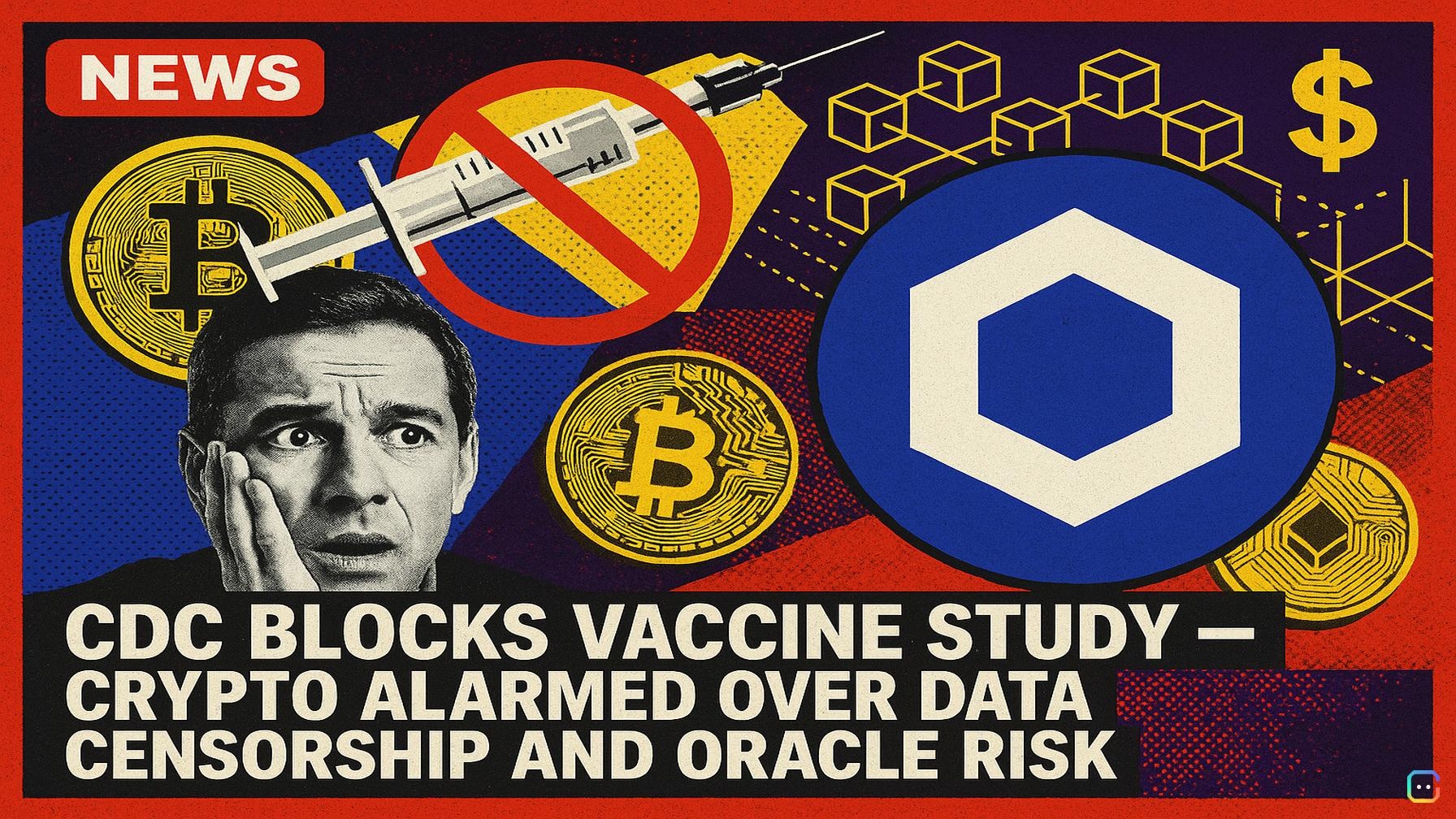
Headline: CDC Blocks Publication of Vaccine Effectiveness Study; Scientists Sound Alarm Over Transparency and Policy Impacts
The acting director of the Centers for Disease Control and Prevention reportedly blocked the publication of a CDC study on April 10 that showed benefits from COVID‑19 vaccines, citing concerns about the study’s methodology. The decision drew quick and sharp criticism from public‑health researchers who say the research design in question is a well established approach used in vaccine effectiveness studies for decades.
What happened
- The acting CDC director halted the release of a federally funded study that documented vaccine benefits, citing methodological issues.
- Experts immediately pushed back, saying the methodological framework under dispute is standard in vaccine-effectiveness research and that such disputes are usually resolved during peer review—not by stopping publication outright.
- The report blocking the study was first noted by Democracy Now!
Why scientists are concerned
- Researchers call the intervention “highly irregular,” arguing that removing federally funded data from the public record undermines transparency and weakens the evidence base clinicians and policymakers rely on.
- Many clinical protocols at hospitals, clinics, and public-health agencies are calibrated to CDC-published findings. Withheld studies can directly affect treatment decisions, vaccination policies, and public-health planning.
- Critics also noted the acting director offered no alternate path for review or eventual publication of the findings.
Broader context and controversies
- Observers compare the move to other recent incidents where the administration has been accused of restricting or shaping the release of scientific and technical information for political reasons.
- In March, AI company Anthropic sued the U.S. government alleging retaliation tied to its refusal to permit certain military uses of its technology—an example critics cite when arguing the government is increasingly controlling access to data and capabilities.
- The administration’s push to accelerate deployment of AI tools across federal agencies has intensified civil‑liberties concerns about who decides what government agencies publish, share, or withhold.
Why this matters for the crypto and data community
- The episode underscores recurring debates about data governance, transparency, and institutional control—issues the crypto community often links to decentralization and censorship resistance.
- For projects and markets that depend on trustworthy public data and oracles, restrictions on official data sources raise practical and ethical questions about reliability, verification, and where stakeholders should seek independent confirmation.
Bottom line
Researchers and public‑health experts say blocking the study deprives practitioners and the public of federally funded evidence that could inform clinical care and policy. Critics frame the intervention as part of a broader trend toward tighter administrative control over what scientific information reaches the public, a concern that intersects with ongoing debates about AI governance and data transparency.
Read more AI-generated news on: undefined/news