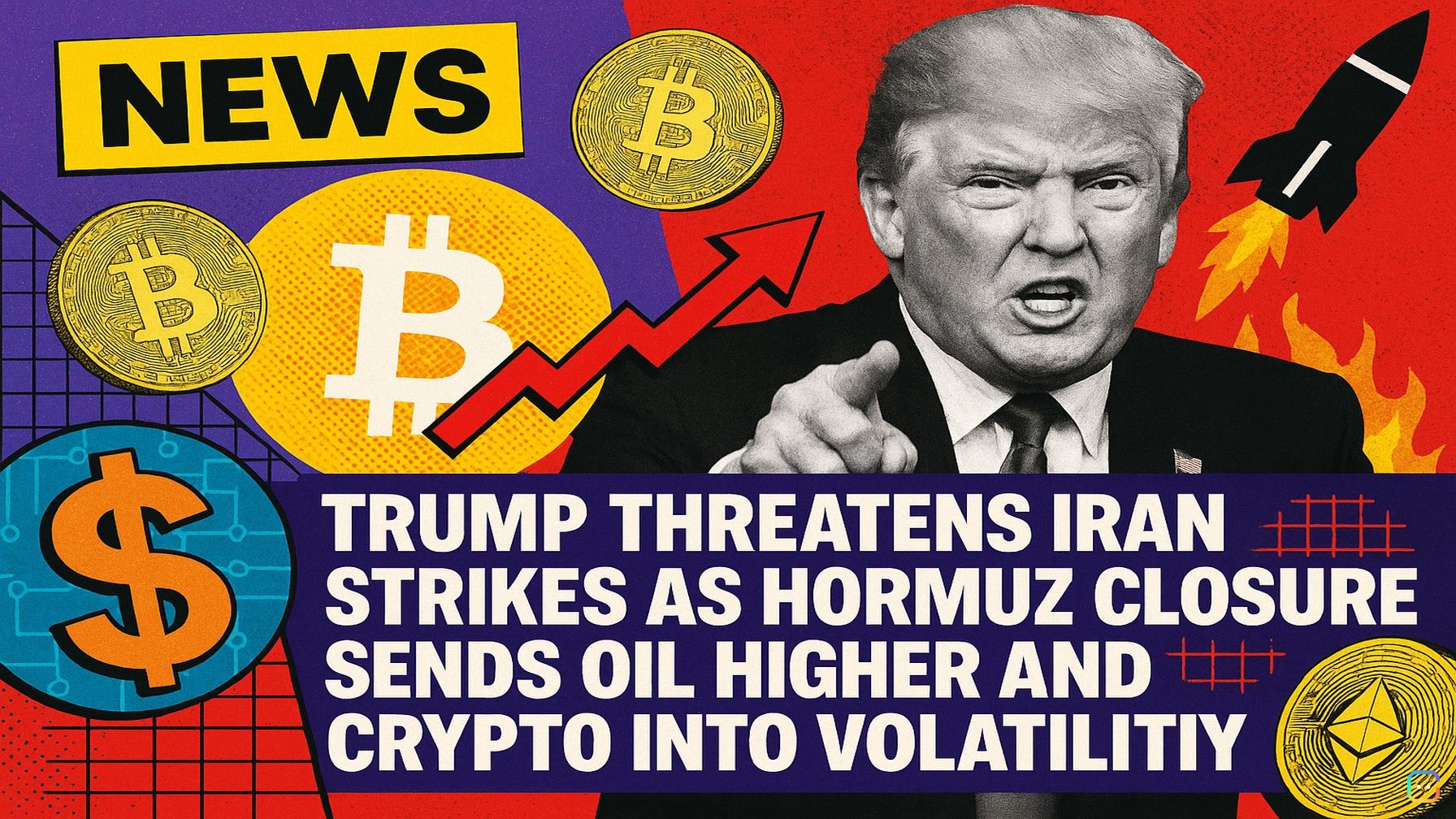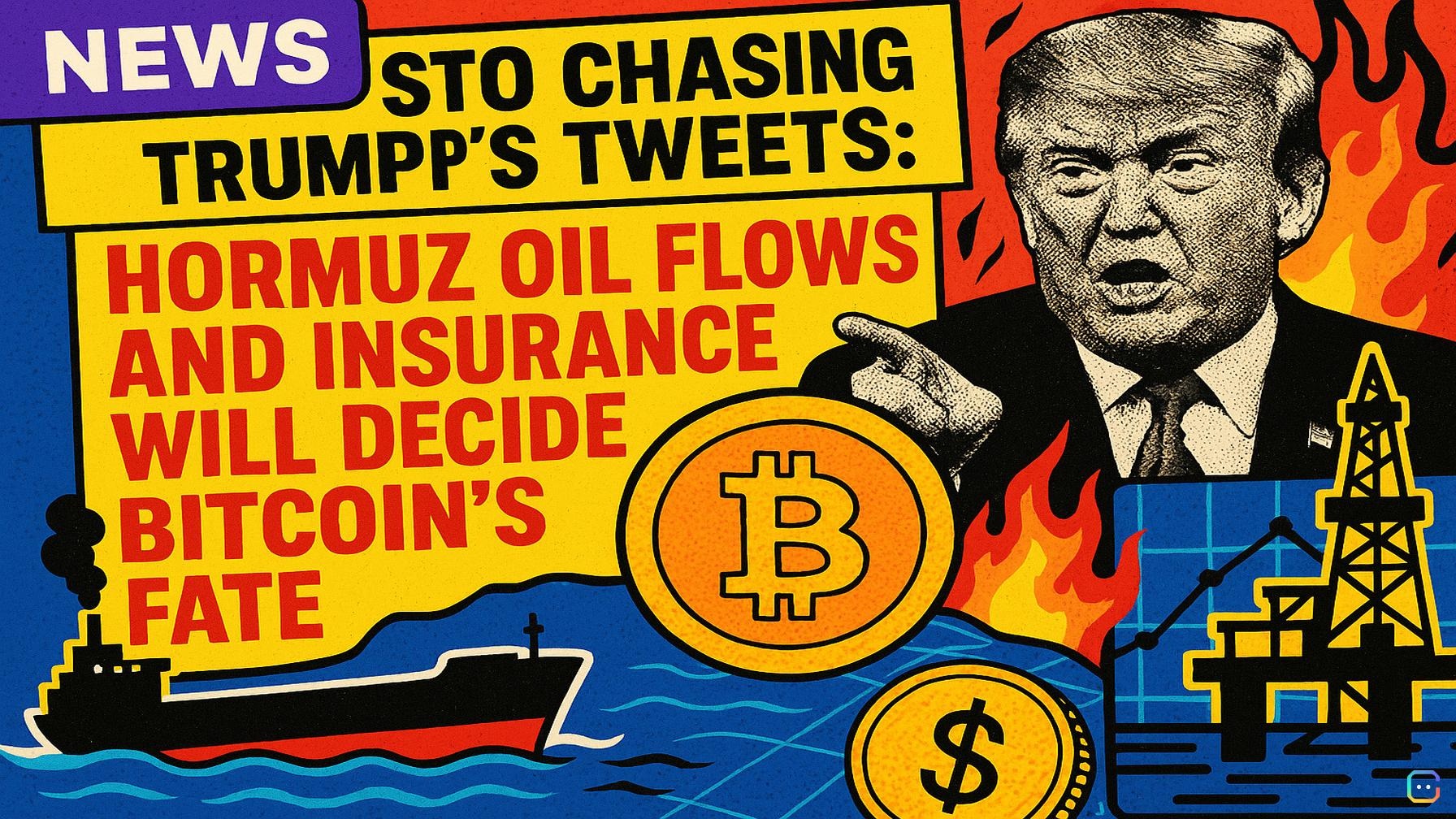
Bitcoin traders are still reacting to President Trump’s every word on Iran — and that’s costing them clarity. Over the past month, BTC has been whipsawed as markets swing with each change in tone: peace talk one day sparks rallies in bitcoin and other risk assets while oil dips; a hawkish line the next day wipes gains and pushes crude back up. But these noise-driven moves miss the bigger, more consequential signals coming from the oil market.
Here’s the reality that actually matters for crypto and risk assets: a managed oil disruption in the Strait of Hormuz risks becoming an unmanaged crisis within weeks. Since the Iran conflict began on Feb. 28, tanker traffic through Hormuz — which handles roughly 20% of global seaborne oil trade — has collapsed. In response, the International Energy Agency’s 32 member countries coordinated the largest strategic stock release in its history, initially about 400 million barrels and later increased to 426 million as more nations contributed. Those emergency barrels have been masking a supply shortfall of roughly 4.5–5 million barrels per day caused by the near shutdown of Hormuz flows.
But those reserves are fast running out. If the IEA barrels are depleted in the next couple of weeks, the manageable deficit could roughly double to an estimated 10–11 million barrels per day — a gap Saudi officials have warned is “a shock of unprecedented scale with no obvious buffer left to absorb it.” At that point, it won’t matter whether Trump escalates or de-escalates rhetorically: without a material restoration of oil flows, markets are likely to swing into broad risk aversion, and crypto will not be immune.
Two practical market signals matter more than any headline or presidential tweet:
- Tanker transits through the Strait of Hormuz. Before the conflict, more than 100 ships moved through the strait every day; since the war began, only 21 tankers have transited, according to S&P Global Market Intelligence. A sustainable rally in risk assets requires a meaningful pickup in that traffic.
- Ship insurance premiums for Hormuz voyages. Insurance rates have spiked from under 1% of a ship’s value pre-war to as high as 7.5% per trip. For perspective, a $100 million tanker that paid about $250,000 in insurance before the conflict may now face $2–3 million per voyage. When premiums fall back below about 2%, that’s a clearer market signal that the route is genuinely safer and risk-taking can resume. No press conference or social media post will replicate the certainty priced into those premiums.
Bottom line: traders watching Trump’s rhetoric are reacting to noise. The real, market-moving indicators are tanker traffic and insurance costs tied to Hormuz and the IEA reserve clock. Until those measurable signs improve, the outlook for risk assets — including bitcoin — looks fragile.
Read more AI-generated news on: undefined/news