Epoch Ventures founder Erik Yakes is urging the Bitcoin community to dial down the quantum-computing panic and resist rushed protocol changes—warning that premature fixes could lock the network into bulky, inefficient signatures for years without clear evidence of an imminent cryptographic threat.
In the quantum-risk section of his 2026 Bitcoin Ecosystem report, Yakes cast the late‑2025 surge in quantum anxiety more as a behavioral market event than a technical milestone. He argues that institutional selling then was likely driven by “loss aversion, herd mentality, and availability,” not by observable breakthroughs in quantum hardware. His central point: the market’s implied timeline for a quantum threat is built on expectations, not demonstrable progress.
Neven’s law under the microscope
A focal point of the debate is so-called “Neven’s law,” which suggests quantum computational power could grow at a doubly exponential rate—sometimes interpreted as a window of “as short as five years” to break Bitcoin cryptography. Yakes warns against treating that as empirical. He compares it to Moore’s Law but stresses a key difference: “Moore’s law was an observation. Neven’s law is not an observation because logical qubits are not increasing at such a rate. Neven’s law is an expectation of experts.”
Lab metrics vs. real-world capability
Yakes underscores a big gap between headline qubit counts and the logical‑qubit reliability needed to mount real cryptographic attacks. “Today, quantum computers have not observably factored a number greater than 15,” he writes, noting that most progress has been in physical (not logical) qubits and falling error rates—neither of which have yet translated into the kind of scalable, fault-tolerant systems required to factor large numbers or break Bitcoin keys. He also flags a potentially limiting physics problem: error rates may scale exponentially with qubit counts, which could block the conversion of theoretical scale into usable attacks.
Classical computers might close the gap first
Yakes goes further to say that continuing improvements in classical hardware and algorithms could mean classical computers, not quantum machines, break relevant cryptography first. That reframes the risk landscape and timing for any defensive measures.
Why premature “quantum‑resistant” fixes are dangerous
The ecosystem does have candidate post‑quantum signature algorithms, but Yakes emphasizes they’re currently too large for Bitcoin’s block-space–constrained design. Large signatures would consume block space and lower transaction throughput, changing not only security posture but the economic calculus of using the chain. His “worst-case scenario” isn’t a sudden cryptographic collapse; it’s a rushed, hard-coded upgrade that forces an avoidable, long‑lasting efficiency penalty: “The worst‑case scenario we see for quantum risk is that a solution is implemented prematurely, with an exponentially lower efficiency trade‑off had we waited longer before implementing.”
Paths to buy time
Yakes points to concrete mitigation and staging options that could be deployed if quantum capability accelerates unexpectedly. He cites Chaincode Labs’ recommendation for “a 2‑year contingency plan and a 7‑year comprehensive plan,” and highlights immediate levers around modern Bitcoin script and address design. In particular, taproot address types can commit to spending conditions before revealing public keys—effectively hiding keys from quantum adversaries and providing a built-in, unlockable form of short‑term quantum resistance.
Governance and coordination remain the hard part
Even if a clear existential threat emerged, transitioning Bitcoin’s signature scheme would require broad stakeholder alignment. Yakes notes Bitcoin’s high consensus bar and slow, conservative upgrade path, though history shows soft forks are feasible. He flags ongoing work—citing the BIP360 team—on signature transition proposals but reiterates the risk that any chosen replacement could materially reduce blockchain efficiency.
What investors should take away
For investors, Yakes’ bottom line is triage: quantum is a legitimate topic to understand and monitor, but it should not displace more immediate macro and geopolitical risks. “We do not view quantum computing as a primary risk for the reasons above,” he writes. Cutting Bitcoin exposure solely because of quantum fears, he argues, is likely driven by behavioral bias and may cause investors to miss the net benefits of a bitcoin allocation.
Market note
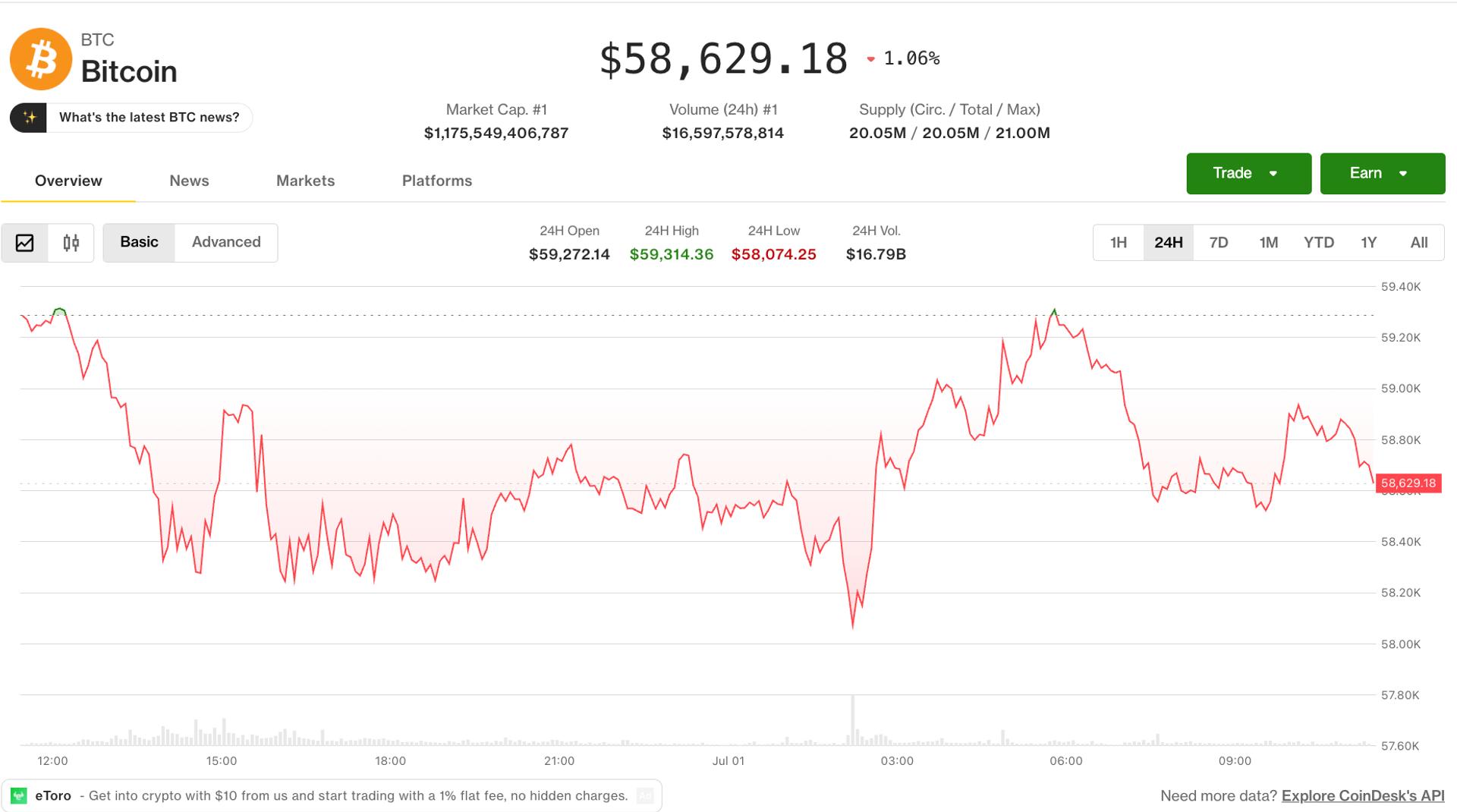
At press time, BTC traded at $90,046.
Bottom line: Yakes urges measured vigilance—prepare contingency plans and leverage existing protocol features where possible—but avoid hasty, network‑wide fixes that could lock Bitcoin into inefficient cryptography long before the threat becomes empirically real.
Read more AI-generated news on: undefined/news