MicroStrategy’s Michael Saylor has long framed Bitcoin not as a medium for day-to-day spending but as “economic energy” meant to be preserved — ideally for generations. His “don’t sell the winner to buy the losers” mantra has helped shift Bitcoin from a speculative play into a corporate treasury reserve asset. But that same “Diamond Hands” stewardship creates a major tension: capital inefficiency.
The problem: high-quality collateral sits idle in cold storage while decentralized finance scrambles for secure, liquid assets. Traders and institutions face a stark choice — leave BTC untouched or expose it to bridges, wrapped tokens and centralized custodians to chase yield on chains like Ethereum. The result is siloed liquidity, slow and expensive cross-chain moves, and added counterparty risks that throttle DeFi growth.
A new phase: productive, interoperable assets
As institutional flows stabilize, the narrative is moving beyond pure “store of value.” The next frontier is using crypto across ecosystems without having to sell the core holdings. That demand is spurring Layer 3 (L3) infrastructure focused on seamless cross-chain execution.
Introducing LiquidChain ($LIQUID)
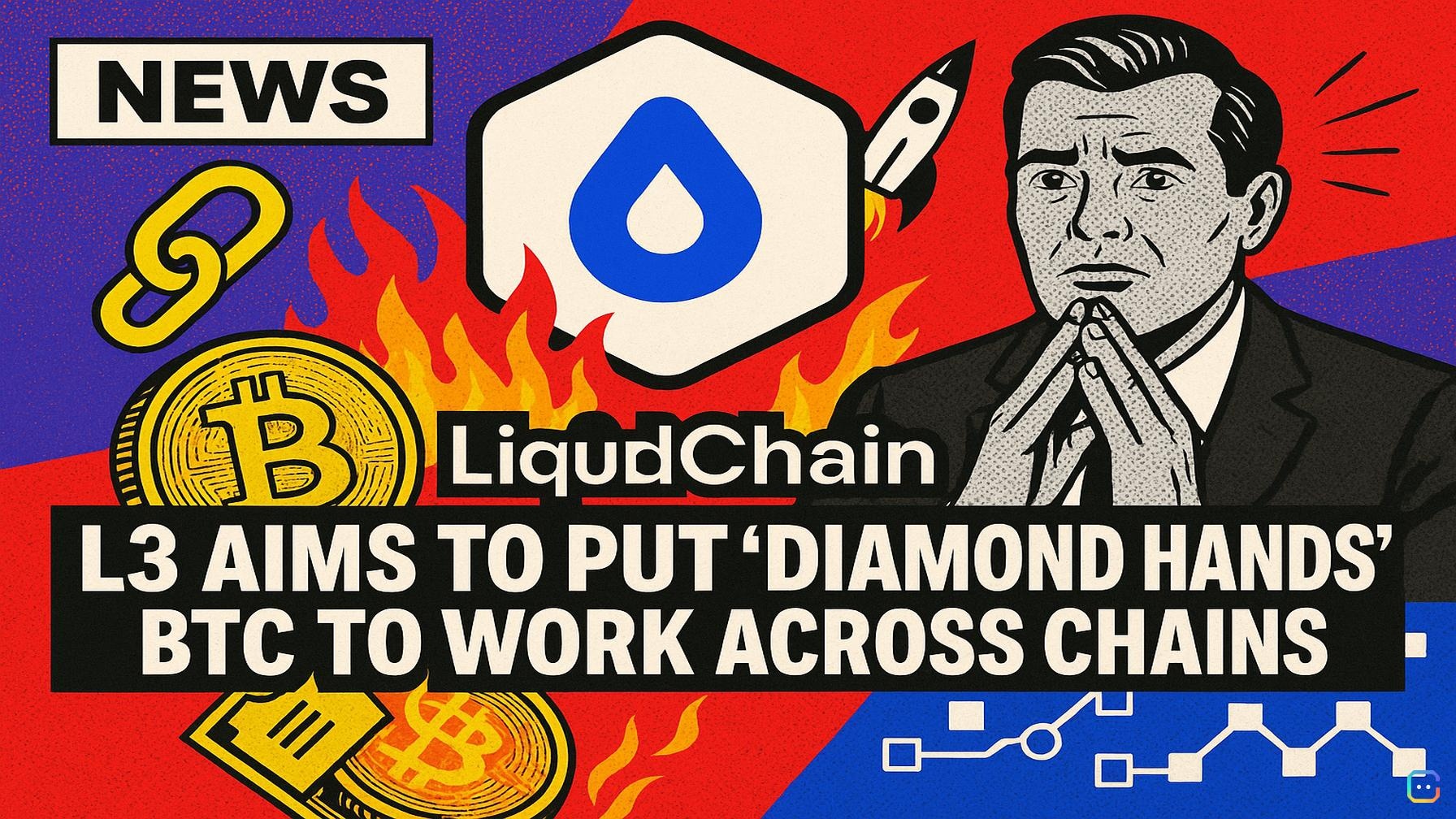
One protocol seeking to bridge this gap is LiquidChain, which bills itself as a Layer 3 solution that fuses Bitcoin, Ethereum and Solana liquidity into a single execution environment. At the heart of the proposal is a Cross-Chain VM — a unified execution layer designed to let applications access and route liquidity across multiple chains without manual bridging.
Key features and developer benefits
- Deploy-Once Architecture: Developers can write an application once and have it tap BTC, ETH and SOL liquidity simultaneously, removing the need to maintain separate codebases for each chain.
- Verifiable settlement and aggregated security: As L3 infrastructure, LiquidChain aims to inherit security from underlying chains while presenting a single interface for settlement and execution.
- Single-step collateralization: In theory, users could pledge Bitcoin as collateral and access Solana-speed execution or Ethereum-native DeFi in a single transaction, reducing hops, slippage and wrapped-asset counterparty exposure.
Token model and incentives
LiquidChain’s native token, $LIQUID, is positioned as both governance and network fuel. The protocol promotes “liquidity staking” — staking assets to power the Layer 3 rails and earn a portion of fees generated by activity on the network. The project also proposes a developer grant program to attract dApps that leverage cross-chain fluidity.
At time of writing, $LIQUID is quoted at $0.0135 and the project markets staking opportunities with very high nominal yields (the marketing materials cite figures around 1,966% APY). Such rates are typical in early-stage tokenomics and should be interpreted cautiously.
Why this matters
If execution complexity — not price volatility — is the binding constraint on DeFi growth, solutions that reduce friction between chains could materially expand usable liquidity. Layer 3 protocols that let institutions and users extract yield or utility from BTC holdings without selling could unlock a new wave of composable finance, where the story is less about which chain wins and more about how assets are connected.
Red flags and due diligence
- Cross-chain systems reduce friction but introduce new layers of technical risk.
- Wrapped assets and custodied bridges have historically been vectors for loss; novel architectures should be evaluated carefully.
- Extremely high nominal staking yields often reflect early incentives, token inflation, or concentrated reward schedules — not guaranteed return.
Bottom line
Saylor’s “never sell” approach addresses long-term preservation but not liquidity needs. Layer 3 projects like LiquidChain aim to let asset holders “keep the bag” while putting that capital to work across ecosystems. That’s an attractive vision for institutional-grade DeFi — but one that comes with engineering and economic trade-offs investors and developers must scrutinize.
Disclaimer: This article is informational only and not financial advice. Cryptocurrency investments, presales and new protocols carry high risk, including the potential for total loss. Confirm smart contract audits and perform your own due diligence before participating.
Read more AI-generated news on: undefined/news