Headline: U.S. hits Brazil with 25% tariff, cites Pix — even as dollar stablecoins gain ground in Brazilian payments
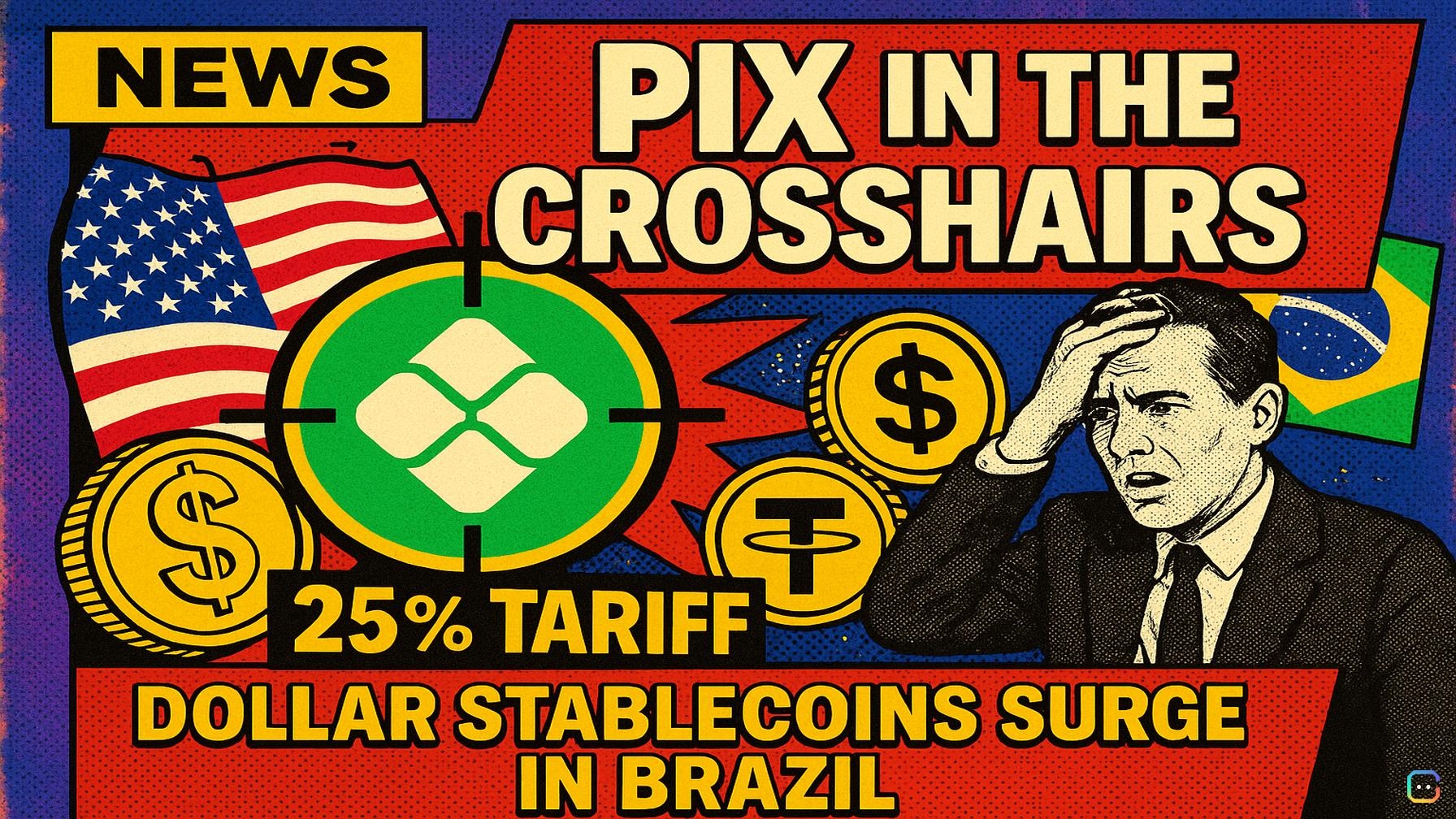
Lead: The U.S. Trade Representative has moved to impose a 25% tariff on most Brazilian imports after a year-long Section 301 probe, citing Brazil’s support for its instant-payment rail Pix as an example of policies that disadvantage American electronic-payment firms. The decision lands amid a boom in dollar-backed stablecoins in Brazil — creating a striking split between the country’s dominant domestic payment system and growing demand for digital dollars on blockchain rails.
What happened
- On July 15 the USTR issued a final notice following a roughly year-long investigation of digital trade, electronic payments and related practices. The tariff takes effect July 22, with product exemptions noted by the agency.
- USTR said Brazil has “unfairly disadvantaged” U.S. electronic-payment companies through policies that favor Pix. The agency did not impose a separate tariff on the payment system itself, but included electronic-payment policies among the practices used to justify tariffs on Brazilian goods.
Why Pix matters
- Launched by Brazil’s central bank in 2020, Pix has become a core piece of everyday payments. The central bank reports Pix processed 63 billion transactions worth BRL 26.4 trillion in 2024, intensifying competition with card networks and other payment providers.
- Washington framed its action as part of a broader trade case — not a narrow crypto prosecution — but singled out domestic payment policy as a driver of its finding.
Stablecoins and the split with domestic policy
- Meanwhile, dollar-pegged stablecoins are playing an outsized role in Brazil’s crypto flows. The central bank has said stablecoins account for roughly 90% of reported crypto flows, with users often turning to dollar-linked tokens for payments and value transfer.
- Crypto firms are bridging the two worlds. For example, Tether-backed Oobit added Pix support in June, letting users deposit reais, hold USDT and pay via Pix keys or QR codes. Behind a familiar Pix interface, stablecoins move the dollar value on-chain.
- Regional data back this trend: on Bitso, dollar-pegged tokens accounted for about 40% of crypto purchases in 2025, outpacing Bitcoin.
Regulatory pushback and limits on crypto in official channels
- Brazilian regulators are tightening rules on how crypto can touch regulated foreign-exchange channels. Resolution BCB No. 561 bars virtual assets from settling payments inside regulated electronic foreign-exchange (eFX) channels. The rule does not ban stablecoins or crypto transfers outright; rather it prevents regulated eFX providers from using digital assets to settle covered cross-border payments, keeping those flows inside approved FX channels.
- The effect: stablecoins can continue to circulate on exchanges, wallets and private rails, but supervised international settlement must remain inside the central bank’s FX rules.
Geopolitics and payments
- The U.S. action also follows Brazil’s 2025 BRICS presidency, during which Brazilian officials promoted alternatives for international settlement and discussed blockchain-based payment infrastructure — while rejecting the idea of a BRICS common currency to replace the dollar.
Bottom line
- The decision to levy a 25% tariff puts Pix at the center of a broader trade dispute, even as dollar-denominated stablecoins increasingly meet Brazilian demand for dollar liquidity through blockchain rails. The payments landscape is splintering: Pix dominates domestic instant payments, regulators restrict crypto for supervised cross-border settlement, and dollar-backed stablecoins continue to attract users — now under added pressure from trade tensions.
Read more AI-generated news on: undefined/news