Headline: Trump’s $2bn windfall spotlights a new era of “political grifters” — and crypto is front and center
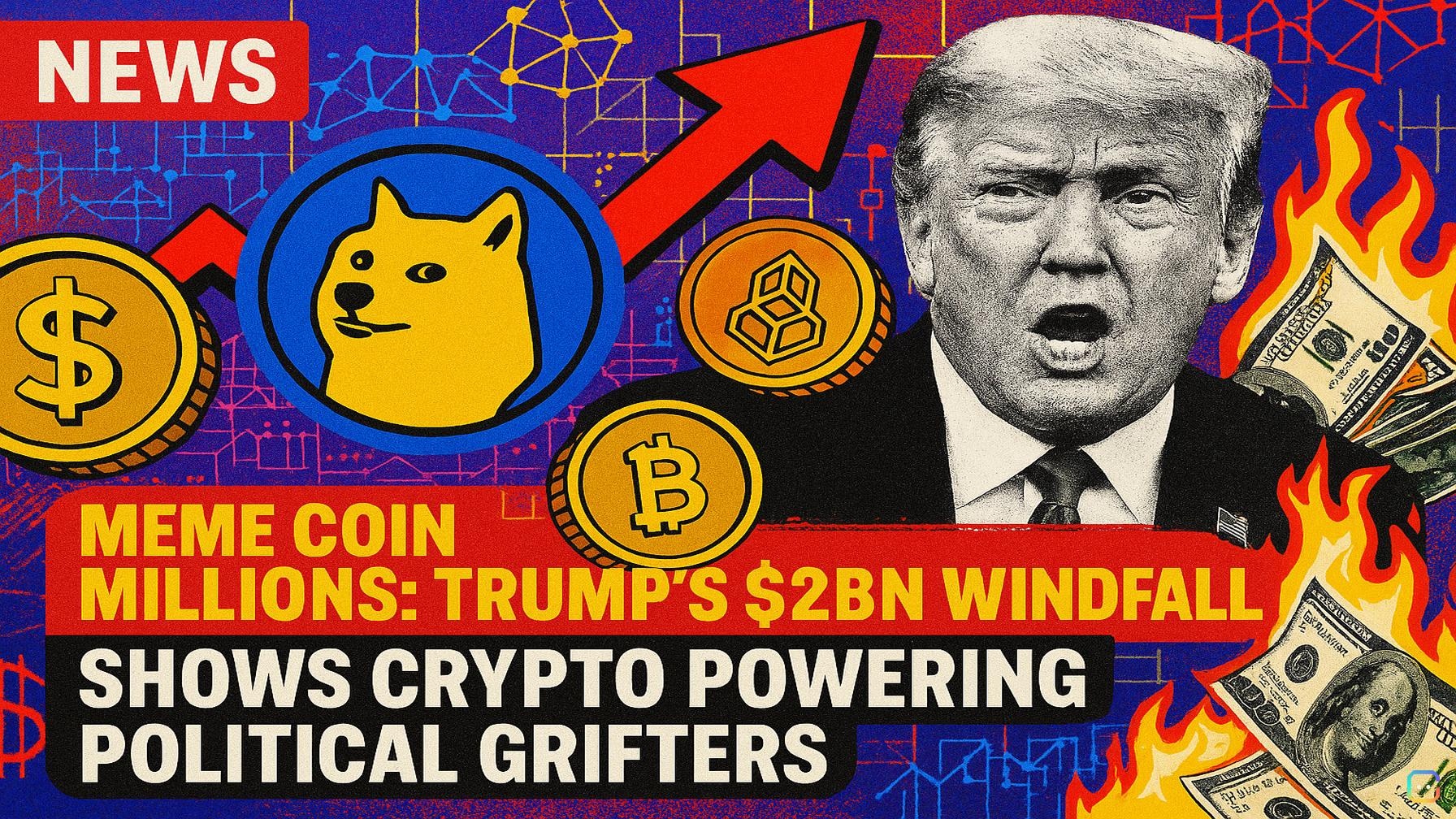
Donald Trump’s recently published financial disclosure shows he’s not just richer than before — it suggests he made more than $2 billion in the first year of a second term, largely from Trump-branded hotels, golf courses, watches, cologne, Bibles — and crypto. For a crypto audience, the disclosure underlines how digital assets can be woven into political fundraising and private enrichment at unprecedented scale.
Key figures and allegations
- Trump’s disclosure lists roughly $635 million tied to a Trump “meme coin” launched after he returned to the White House — a token marketed like a digital trading card bearing his image. Many retail buyers lost money when the price collapsed; Trump’s disclosure implies he profited handsomely.
- Separately, reporting has flagged a contentious three-way arrangement involving World Liberty Financial (a Trump crypto company), the United Arab Emirates, and a convicted crypto figure. That set of transactions reportedly channeled about $500 million in Emirati funds to the Trump company, while the UAE gained access to powerful American AI chips and the crypto figure later received a pardon. Critics call this a potential route for purchasing political influence; the White House denies conflicts of interest.
- Senator Elizabeth Warren publicly denounced what she called “brazen crypto corruption,” tying the deals to broader concerns about influence and access.
Why crypto matters here
- Unlike property and other traditional Trump business lines — which have faced local pushback, legal hurdles and delayed projects (Serbia protests, a stalled Vietnam resort despite a favorable tariff) — crypto deals move fast and can be structured in ways that obscure counterparty motives and flows. That speed and opacity make crypto an attractive tool for rapid monetization and, critics argue, for circumventing ethical guardrails.
Political grifters across democracies
- The Trump story is part of a broader pattern in Western politics where public office becomes a platform for private gain. Examples cited in reporting include Nigel Farage in the UK and Pauline Hanson in Australia:
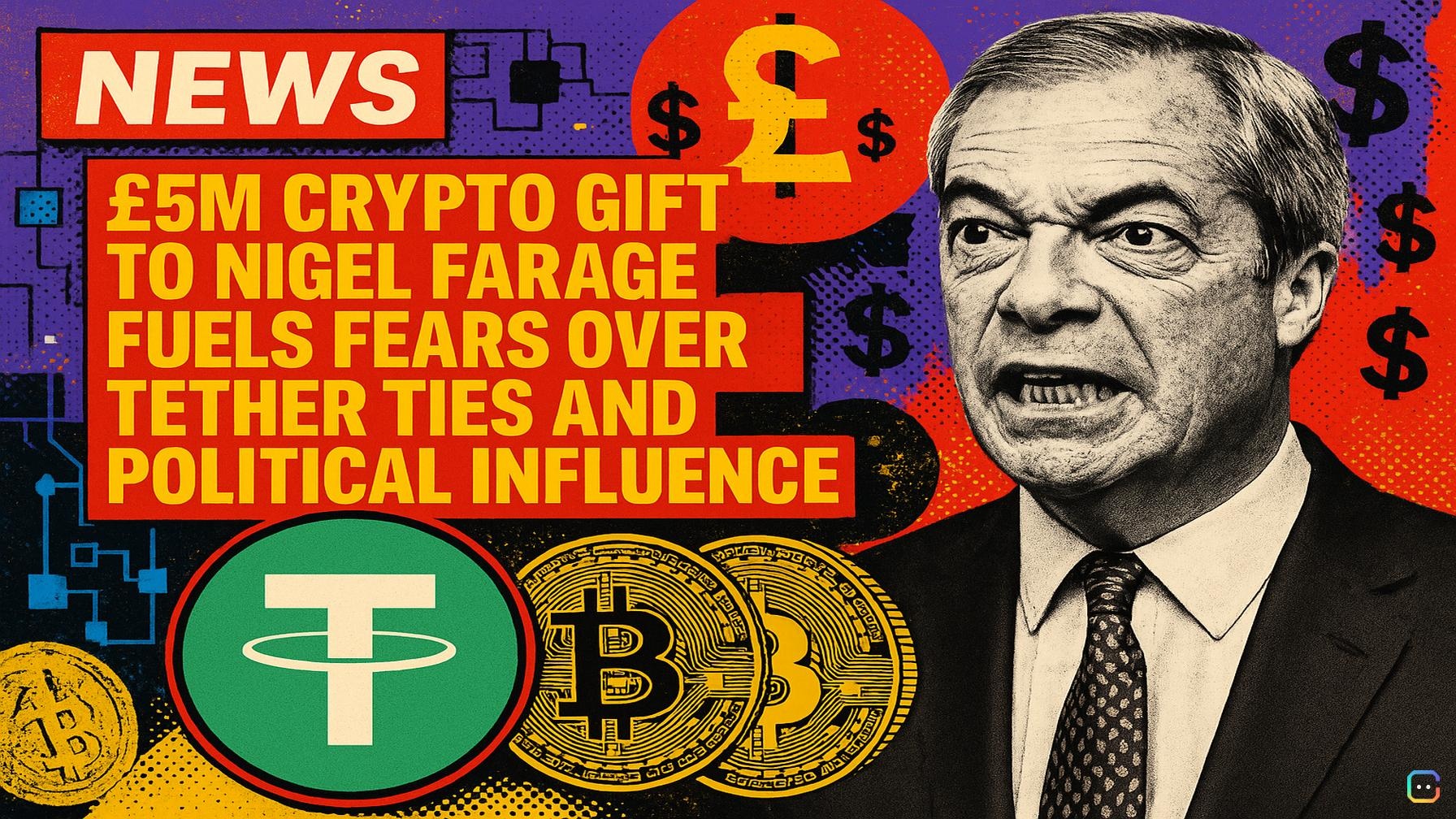
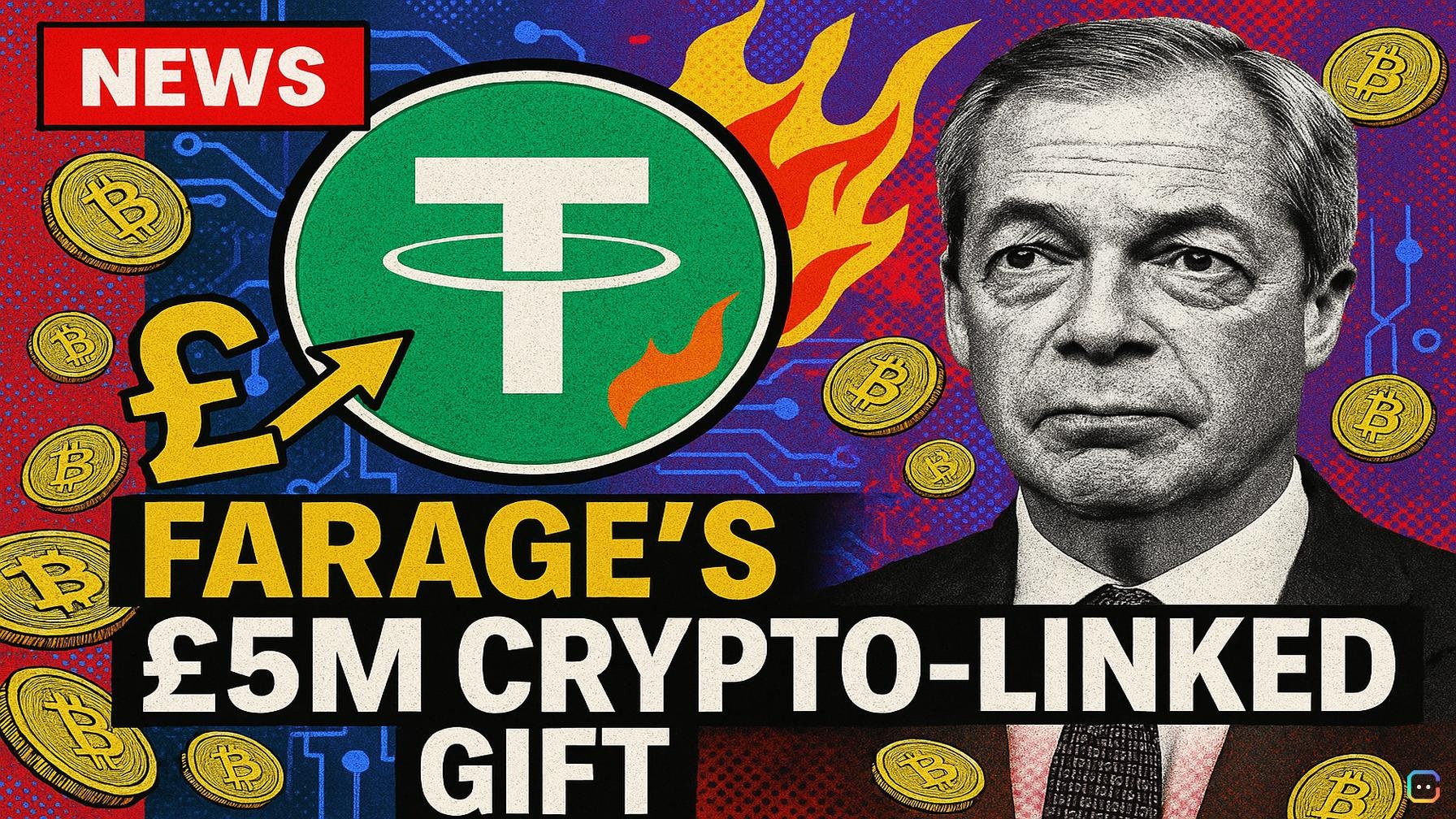
- Farage, now the best‑paid MP at Westminster in some reports, has promoted crypto schemes via paid platforms and backed a bitcoin venture tied to former Conservative chancellor Kwasi Kwarteng. Much of his political operation has been funded by Christopher Harborne, a Thailand‑based crypto tycoon who reportedly provided around two‑thirds of Reform UK’s funding. Farage faces probes into whether he properly declared a £5m gift from Harborne and into potential lobbying tied to Harborne’s interests.
- Hanson has repeatedly flown on private jets tied to wealthy backers and faced rules breaches over declarations.
Expert assessments
- Tutu Alicante, a human rights lawyer specialising in kleptocracy, says a formerly implicit restraint on turning public office into private profit is eroding and that today’s brazenness resembles patterns seen in authoritarian kleptocracies, where corruption becomes “aspirational.”
- Duncan Hames of Transparency International UK warns of unprecedented concentration of wealth and power and the risk of “state capture” by those protecting private interests. Transparency International’s recent survey found perceptions of corruption in the US, UK, Canada and France at their worst since comparable records began in 2012.
- Historian Anne Applebaum frames part of the phenomenon as tribal politics: supporters who see a leader as “one of us” may ignore or rationalise corruption.
- Tom Keatinge of RUSI asks whether other democracies’ institutions could withstand the kind of capture critics say has occurred in the US.
Defences and denials
- The White House insists Trump and his family “have never engaged, or will ever engage, in conflicts of interest.” Officials say Trump placed his businesses under the control of his adult sons, who run them independently. Trump has also dismissed scrutiny with comments noting his past wealth. Farage says payments from backers come with “absolutely nothing in return.”
What this means for crypto
- The episode crystallises several risks for the crypto sector: political actors using tokens to raise large sums quickly; powerful state and non‑state actors entering opaque deals that mix finance, technology (notably AI) and political influence; and reputational fallout when retail buyers lose money while elites profit.
- It also raises regulatory questions: how should campaign‑finance, ethics and national‑security rules adapt to transactions that can be routed through token issuances, private crypto firms and cross‑border intermediaries?
Bottom line
Trump’s multimillion‑ and potentially multibillion‑dollar crypto nexus has turned a spotlight on how digital assets can amplify the blending of politics and private profit. Whether these arrangements are legal, ethical, or will prompt new oversight remains the central debate — one with major implications for crypto markets, political accountability and policymaking across democracies.
Read more AI-generated news on: undefined/news