Note: the original article had a date inconsistency (it named an October all-time high and also referenced a 2025 peak). I’ve aligned the timeline to match the rest of the piece (market slide beginning in late October 2025). If you prefer a different date alignment, I can revise.
Headline: Why Bitcoin’s Eight-Month Slump Isn’t the End of the Cycle — but Volatility Is Here to Stay
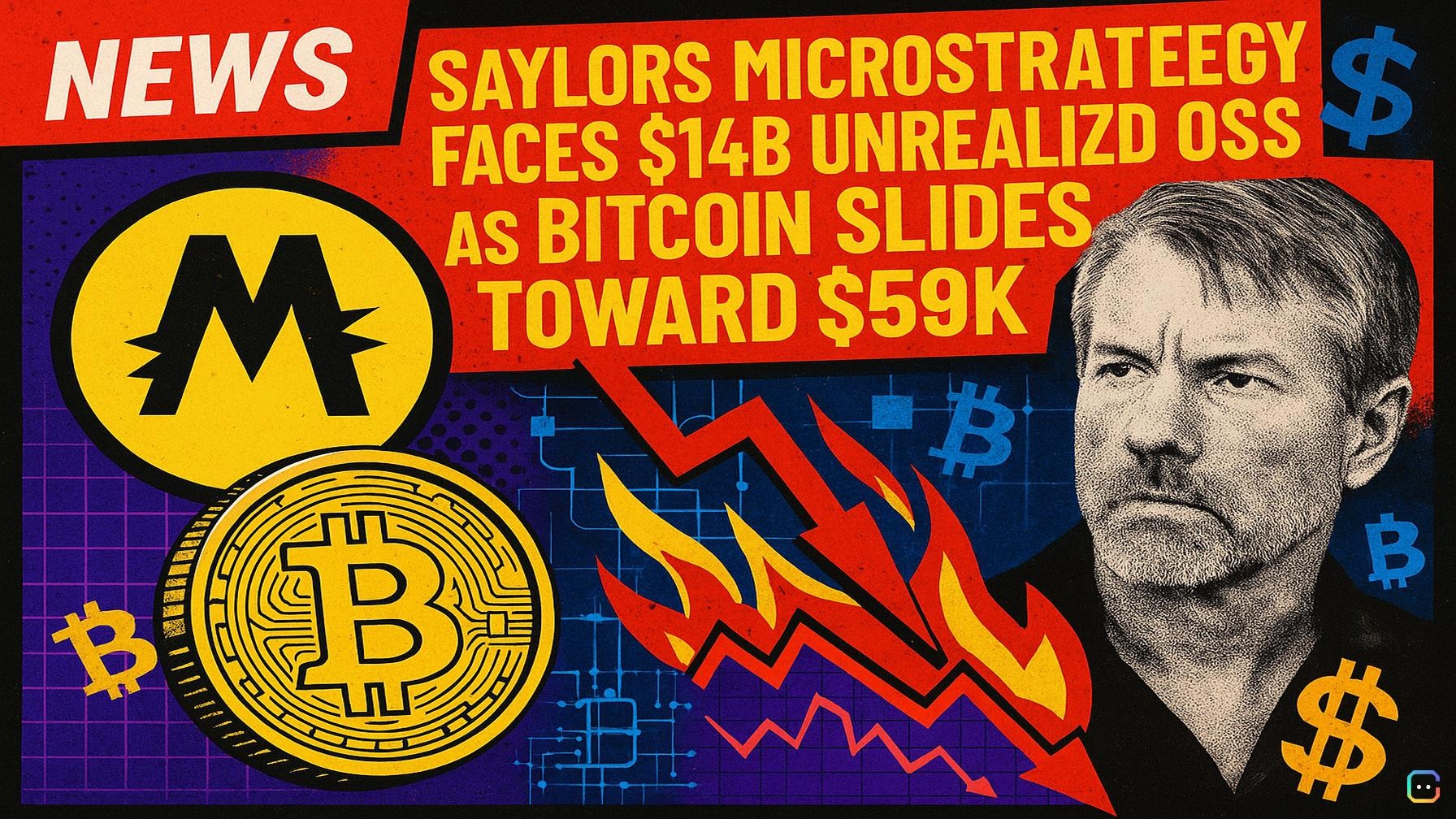
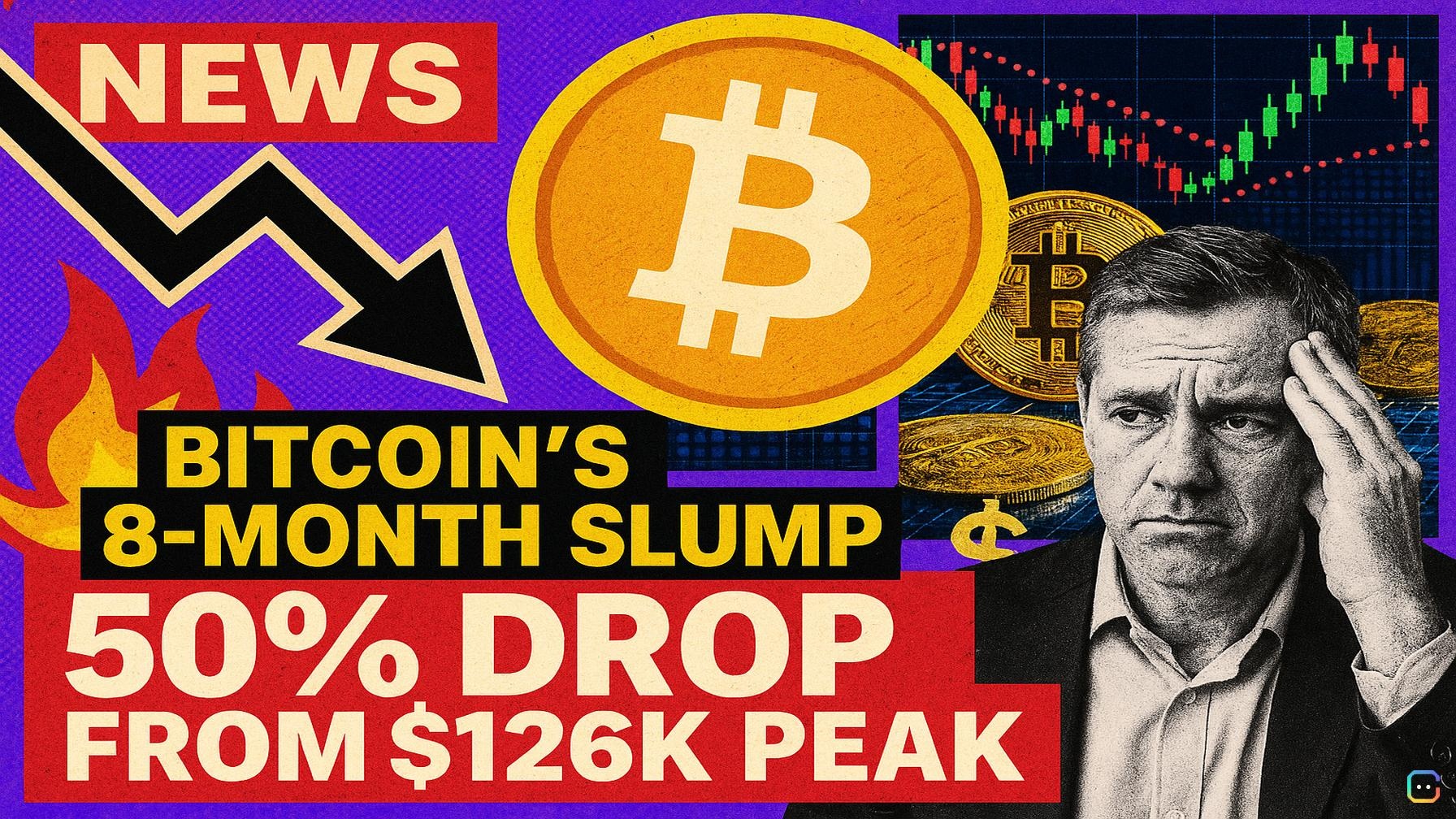
The cryptocurrency market has been sliding for nearly eight months. Bitcoin — which surged to an eye-catching all-time high of $126,080 in October — is now trading more than 50% below last year’s peak. The pain has been visible: BTC dipped under $60,000 twice in June 2026, and roughly 53% of all Bitcoin in circulation is currently held at an unrealized loss.
What triggered this downturn?
- Timing and triggers: The market’s descent began in late October 2025, and two broad forces have driven the sell-off: rising macroeconomic anxiety and geopolitical instability.
- Geopolitics: The outbreak of the US–Iran conflict earlier this year stoked market fear and risk aversion.
- Inflation and policy: US inflation accelerated to 4.2% in May 2026. The Federal Reserve responded by keeping interest rates unchanged for now — but with the market pricing in the possibility of two rate hikes later this year. Higher interest rates typically push investors away from riskier assets such as cryptocurrencies.
What could make things worse?
- The US–Iran peace process remains uncertain. If a deal falls apart and oil prices spike, that could increase economic strain and add fresh downside pressure to risk markets, including crypto.
Cycle context: this is (mostly) familiar territory
Crypto operates in cycles, and Bitcoin tends to follow a roughly four-year rhythm. Major peaks came in 2017, 2021 and again in 2025 — and each rally has been followed by a deep, often prolonged bearish phase. The current 2026 weakness is consistent with that historical pattern. If history repeats, the next sustained rally could arrive around 2029, but exact timing is uncertain.
What this means for investors
- For newcomers: sharp drops are part of the crypto landscape. While painful, drawdowns are normal and have historically preceded future rallies.
- For veterans: these corrections are familiar — they can be opportunities for those with long-term conviction, but they require discipline and risk management.
- Bottom line: volatility is intrinsic to crypto. The market has delivered outsized gains for some and steep losses for others. Understanding the macro backdrop and cycle dynamics can help investors navigate the current slump.
If you’d like, I can convert this into a shorter news brief, an explainer on how BTC cycles work, or a deeper dive into how Fed policy and geopolitics typically affect crypto.
Read more AI-generated news on: undefined/news