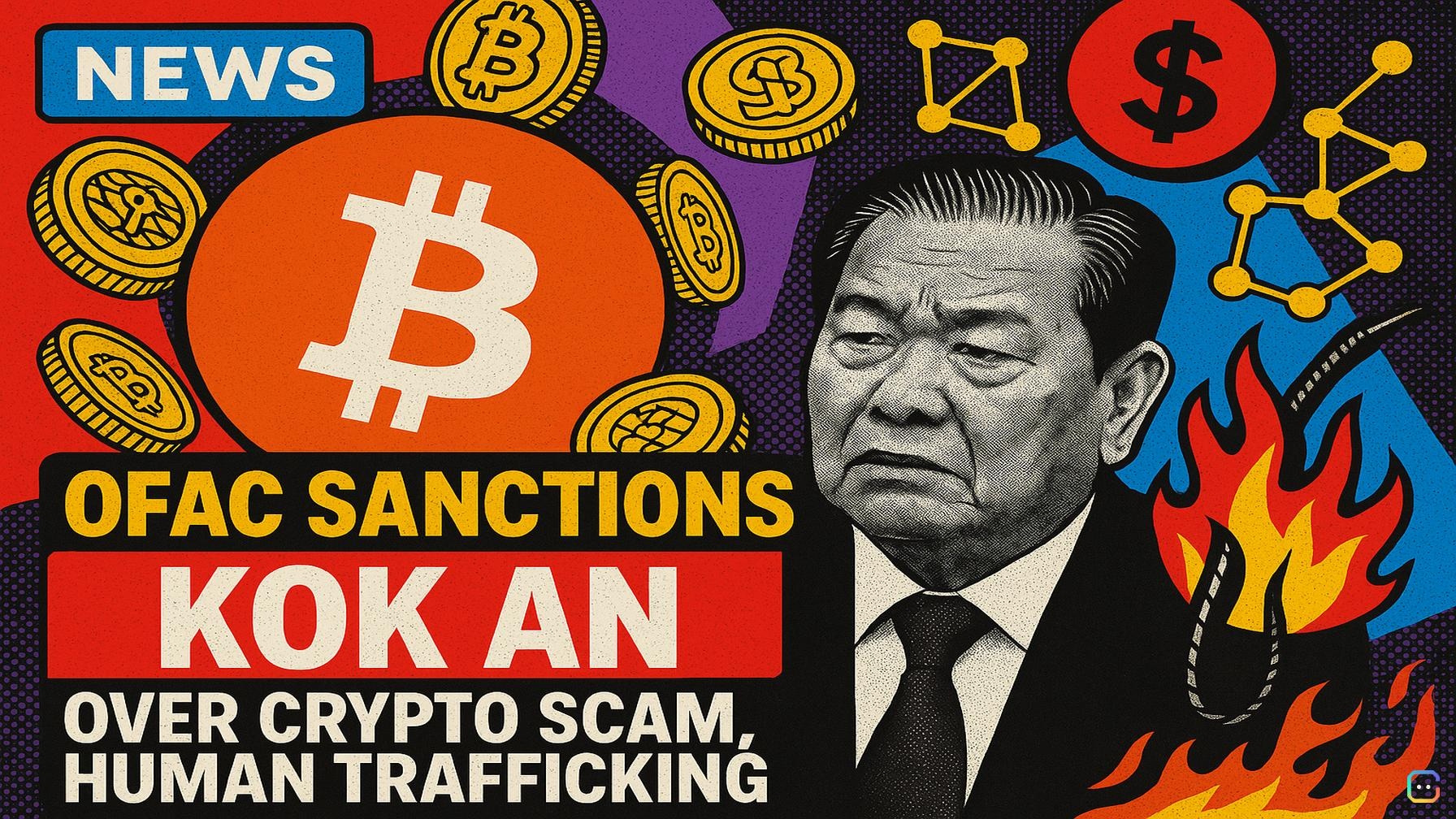
The U.S. Treasury has blacklisted Cambodian senator Kok An and 28 associated entities, accusing them of running a sprawling crypto-linked scam and human-trafficking operation centered in Southeast Asia.
What happened
- The Treasury’s Office of Foreign Assets Control (OFAC) says Kok An — a powerful political figure with extensive casino and resort holdings — enabled organized-crime groups to operate scam centers out of properties tied to him.
- Victims were reportedly lured by fake job offers, trafficked to these centers, and forced to call people worldwide posing as romantic partners. Those targets were then funneled toward fraudulent crypto trading platforms, where they were persuaded to send money.
- According to OFAC, the illicit proceeds were laundered through casinos and businesses connected to the network.
Scope of the sanctions
- The measures name multiple casinos, financial firms, operators and other entities (28 in total) and freeze any assets under U.S. jurisdiction. The sanctions also bar transactions involving U.S. persons.
- Treasury Secretary Scott Bessent was quoted saying, “Treasury will continue to target fraudsters and scam centers that steal billions of dollars from hardworking Americans, no matter where they operate or how well-connected they are.”
Enforcement and regional focus
- The action was coordinated with the Scam Center Strike Force, and U.S. authorities also brought criminal charges against two people accused of operating a similar scheme in Burma and attempting to set up another base in Cambodia.
- U.S. enforcement is now concentrated on Cambodia, Burma (Myanmar) and Laos — regions officials identify as key hubs for crypto-linked fraud operations.
Crypto industry hit and related actions
- Earlier the same day, Tether said it froze roughly $344 million in USDT tied to illicit activity in cooperation with OFAC. Authorities have not confirmed whether that freeze is directly linked to the Kok An designation.
- These moves follow earlier OFAC steps in the region: in September 2024 the agency sanctioned another Cambodian senator, Ly Yong Phat, over allegations his network operated cyber-scam centers using trafficked workers.
Human cost and broader impact
- U.S. agencies say these operations recruit people with fake ads, then coerce them to commit fraud under threat and abuse — reports document confiscated passports, violence and forced fraud quotas.
- Crypto-related investment scams are rising: U.S. authorities reported $3.96 billion in losses in 2023 alone.
Why it matters for crypto
- The sanctions underscore how illicit actors are increasingly using crypto rails and fraudulent trading platforms to monetize romance and investment scams — and how governments are pressing both financial and token-issuance companies to cooperate on enforcement.
- For crypto firms, the action highlights the operational and compliance risks of dealing with sanctioned entities or pooled liquidity that may be tied to scam networks.
We’ll continue tracking any follow-ups from OFAC, the U.S. Justice Department, and crypto firms (including whether the Tether freeze is formally linked to this case) as they unfold.
Read more AI-generated news on: undefined/news