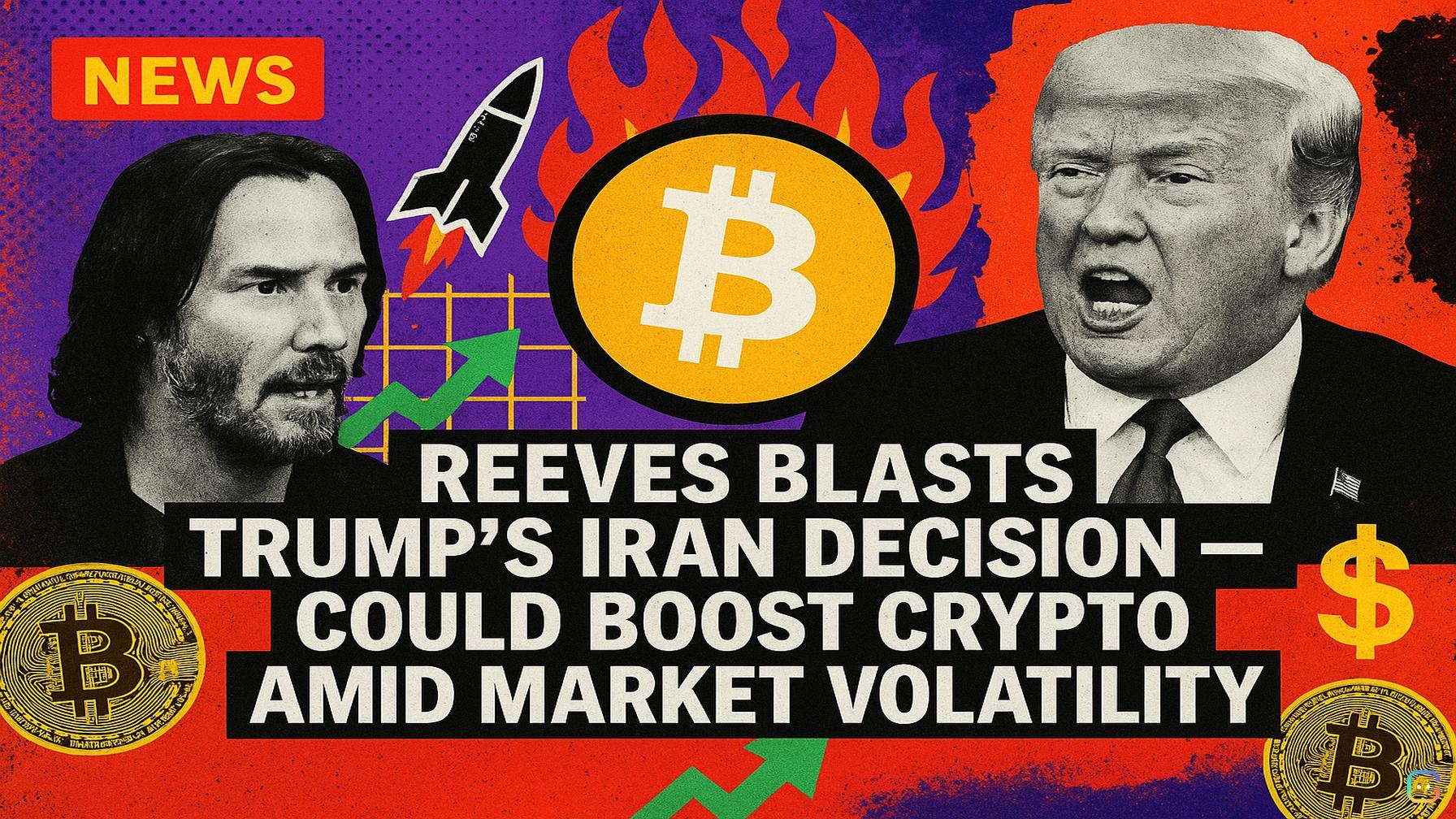
Rachel Reeves lashes out at Trump’s Iran war decision — and what it means for markets and crypto
Chancellor Rachel Reeves branded President Donald Trump’s decision to go to war with Iran “folly” in a blunt interview with the Daily Mirror ahead of a trip to Washington for IMF meetings. Reeves says the conflict — which she stressed Britain did not start or want — was launched without a clear exit strategy or objectives, and is already disrupting global trade (including a reported blockage of the Strait of Hormuz). She told the Mirror she is “frustrated and angry” about the human and economic fallout for families and businesses in the UK and worldwide.
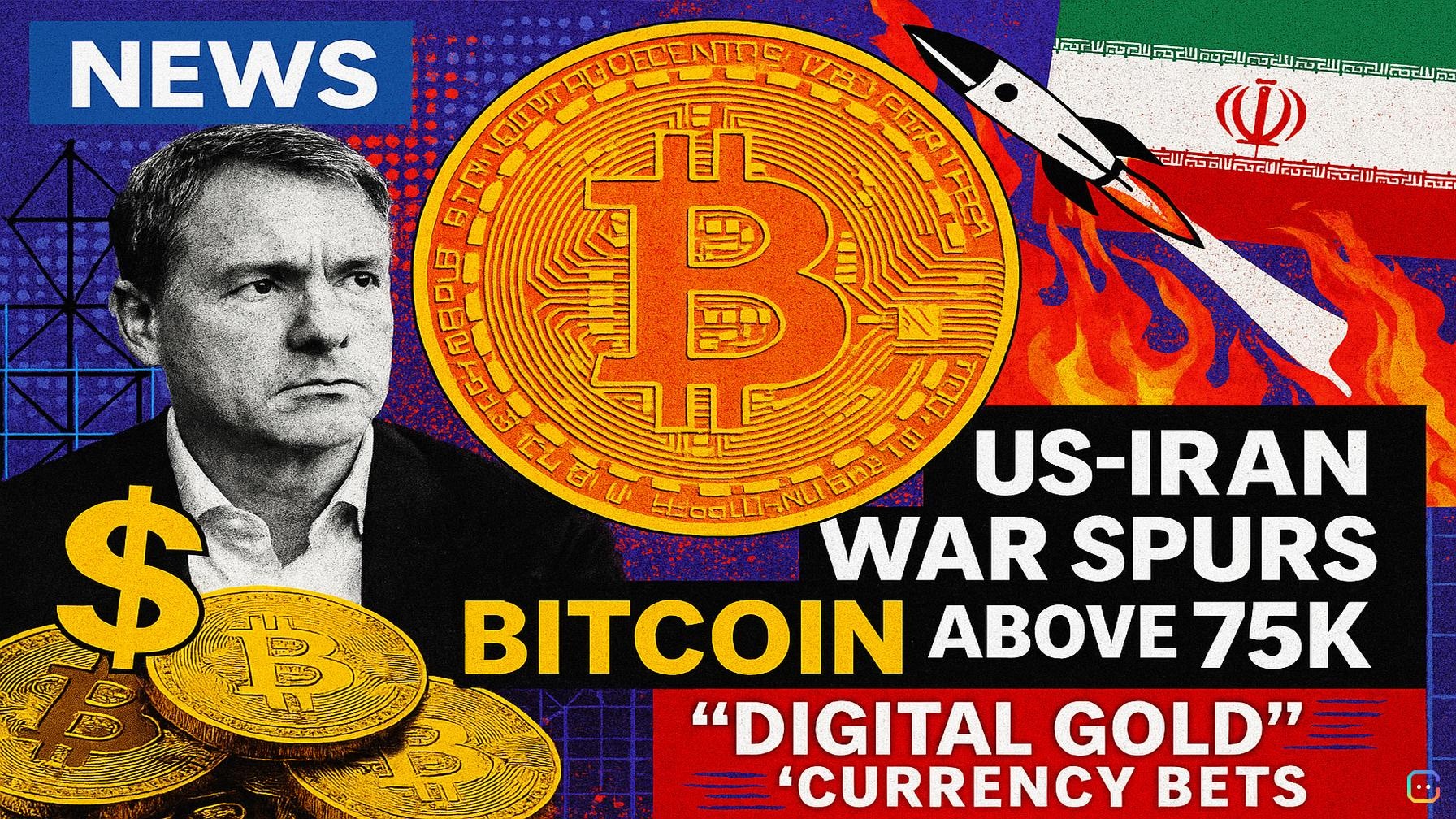
Why it matters: Reeves will use the IMF meetings to press counterparts on the global impact of the conflict. Geopolitical shock can push oil and shipping prices higher, stoke market volatility and — in some cycles — drive renewed interest in crypto assets as alternative stores of value. The IMF has already trimmed its UK growth forecasts amid the fallout.
Key political fallout and defence row
- Reeves’s public condemnation is unusually candid for a senior government minister and is stronger than most official comments so far. The line highlights growing friction within UK politics over how to respond to Trump’s actions.
- Senior defence figures and commentators — including Fiona Hill, George Robertson and former chief of the armed forces Jock Stirrup — have publicly criticised the government’s defence planning and called for higher spending (Stirrup suggested 2.5% of GDP now, rising to 3% later).
- Critics say ministers need to explain and defend higher defence spending to the public rather than only at international forums.
Domestic policy and other headlines
- Compensation increases were announced for victims of the infected blood scandal, including an additional £35,000 for former pupils experimented on at school, the Cabinet Office minister Nick Thomas-Symonds said.
- A group of Labour MPs plans a package aimed at countering right-wing populism, with proposals including a Swiss-style EU deal, lower energy bills, stronger climate policy defence, and reduced reliance on the US.
- The Scottish Greens launched an ambitious manifesto — no new North Sea oil and gas licences, free bus travel, expanded childcare and proposals for universal basic income among dozens of pledges. The Institute for Fiscal Studies warned the manifesto lacks clear funding details and would likely require much larger tax rises to be deliverable.
- The Department for Education has been urged to change school behaviour guidance to better support children with special educational needs, with charity leaders warning that rigid “zero-tolerance” rules are incompatible with inclusive practice.
- The head of the army warned MPs that misogynistic online subcultures (the “manosphere”) are complicating efforts to tackle sexual harassment in the forces, particularly among younger recruits.
Crypto and populism: Trump, Farage and political crypto
- Politics and crypto now intersect more visibly: Ed Davey accused Nigel Farage of echoing Trump’s playbook on crypto, and former cabinet minister Liam Byrne’s new book flags both Trump and Farage as crypto proponents.
- Byrne highlights a wider trend: the Trump family’s commercial ventures — including hospitality, NFTs and crypto-linked schemes — and Reform UK’s promises (accepting bitcoin donations, tax cuts for crypto gains, even a national “bitcoin reserve fund”) show how populist movements are embracing cryptocurrency rhetorically and operationally.
- Notable past examples referenced include mega-donor Christopher Harborne receiving large Tether transfers in 2019 before making big political donations. Analysts worry these mechanisms can create opaque money flows and new influence vectors in democratic politics.
Macro picture
- The IMF has cut UK growth forecasts for this year and 2026 amid the economic shock from the Iran conflict and related energy-market disruption. Reeves’s comments reflect concern that geopolitical instability is reversing some positive domestic trends — falling inflation and borrowing, and projected growth — that she highlighted earlier in the spring statement.
Takeaway for crypto readers
- Geopolitical escalation, energy shocks and policy shifts increase macro uncertainty — a driver of market volatility that often spills into crypto. At the same time, political actors across the spectrum are increasingly using crypto rhetoric, donations and proposals as part of wider campaigns. Traders and observers should watch geopolitical flashpoints, regulatory responses, and any emergence of crypto-based political funding or state-linked initiatives, as these could reshape market flows and policy risk.
Read more AI-generated news on: undefined/news