Headline: Trump administration moves to let 401(k)s include private markets and crypto — what that could mean for retirement savings and the crypto industry
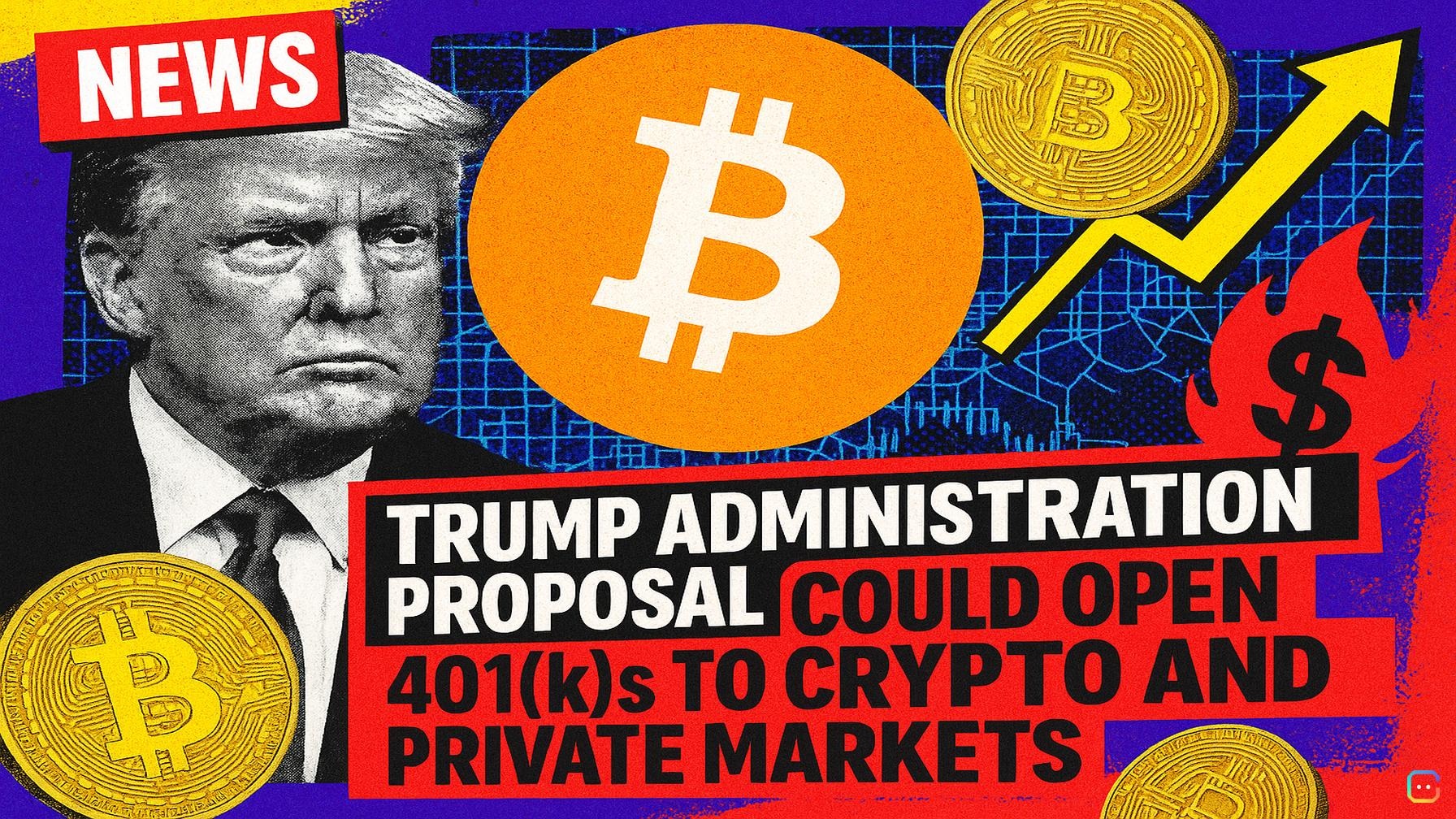
The U.S. Labor Department on Monday released a proposed rule that would make it easier for 401(k) plans to offer alternative investments — including private equity, private credit, real estate and cryptocurrencies — marking a major potential shift in how retirement funds are invested.
What’s in the proposal
- The rule would remove longstanding procedural barriers that have discouraged plan sponsors and fiduciaries from adding illiquid and complex alternative assets to defined contribution plans.
- Fiduciaries would be required to undertake a documented, objective and analytical review of any alternative option, assessing performance history, fees, liquidity, valuation methods, benchmarks and overall complexity.
- Trustees who follow that due‑diligence framework would receive a “safe harbor” protecting them from legal claims tied to their decision to include alternatives.
- The Labor Department will open a 60‑day public comment period before considering final adoption.
Why it matters to crypto
If finalized, the rule could accelerate institutional links between retirement capital and crypto markets by giving plan sponsors a clearer path to offer crypto-based investment options inside 401(k)s. That would potentially unlock a new source of long‑term capital for crypto asset managers and tokenized products — though practical adoption will depend on fiduciaries’ comfort with custody, valuation and volatility issues.
Who’s for it — and who’s cautious
- Supporters argue broader access to alternatives can improve diversification and potentially boost long‑term returns for savers. Treasury Secretary Scott Bessent described the proposal as an “initial step” to expand retirement options “in a safe and smart manner,” and Labor Secretary Lori Chavez‑DeRemer said the change would better reflect today’s investment landscape and “drive innovation.”
- Alternative-asset managers such as Apollo and Blackstone could benefit from new capital flows. Apollo CEO Marc Rowan called the move a “thoughtful step” toward addressing a retirement savings shortfall.
- Skeptics warn that alternatives — and crypto in particular — can be illiquid, complex, harder to value and carry higher fees, all of which can magnify downside risk for ordinary retirement savers.
- Lawyers and industry experts stress the proposal does not automatically open plans to private equity or crypto; rather, it creates a structured process for plan fiduciaries to evaluate those options. As Mayer Brown partner Erin Cho put it, the rule “will not open the floodgates” but will provide a compliance pathway.
Regulatory and historical context
Defined contribution plan managers already technically have authority to consider alternative investments, but most have opted against them. The Biden Labor Department issued a 2022 compliance statement that discouraged offering crypto in retirement plans — a stance the current administration criticized as a departure from “decades‑long” fiduciary practice. The proposed rule follows an executive order President Donald Trump issued last summer directing broader access to private-market investments for retirement accounts.
What happens next
The Labor Department’s release kicks off a 60‑day comment period before the rule can be finalized. If the rule survives revision and is adopted, expect a gradual rollout: plan sponsors will still need to decide whether the costs, custody solutions and valuation systems make alternative or crypto options appropriate for their participants.
Bottom line
The proposal offers a potential regulatory bridge between retirement capital and the crypto/private markets, but it also places heavy emphasis on fiduciary due diligence and legal protections for trustees who document a careful decision process. For crypto firms, it’s a possible new institutional channel; for retirement savers, it raises both the prospect of greater diversification and the need to weigh added complexity and risk.
(Credit: original reporting and Reuters.)
Read more AI-generated news on: undefined/news