Headline: FBI-branded token phishing on Tron hits 700+ wallets — some holding over $1M in stablecoins
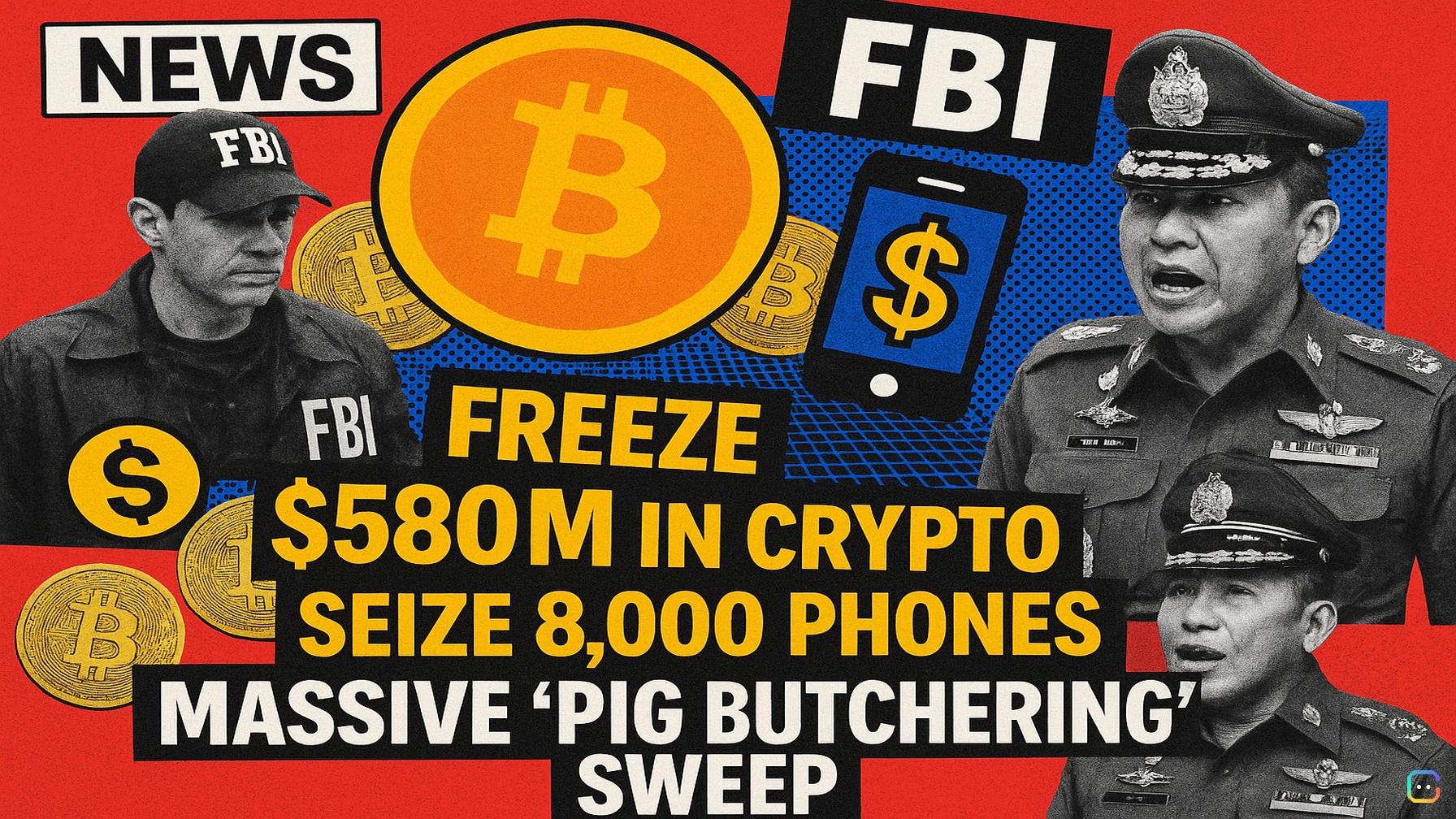
The FBI’s New York office is warning crypto users after scammers used a convincing new trick to steal funds on the Tron blockchain. Attackers minted a token that looks like it came from the FBI, airdropped it into thousands of wallets, and included a message claiming the account was under investigation — then pushed victims to an external “anti‑money laundering” site to avoid a purported freeze.
How the scam works
- Scammers create a token with the FBI’s name and a warning message, then airdrop it directly into wallets. There’s no email or phone call — the threat appears inside the wallet, which can make it feel legitimate.
- Recipients are instructed to visit a third‑party site and give identifying information to pass an alleged AML check or face a full freeze of their funds.
- The FBI New York Field Office publicly cautioned users not to click on links, visit any associated websites, or provide personal data connected to the token, posting the warning on X.
Scale and timing
- Tronscan data shows the fake FBI token reached 728 wallets before authorities issued the warning. The token was created roughly eight days earlier.
- The scheme has already impacted more than 700 wallets, including some that hold over $1 million in stablecoins.
Why Tron is a target
- Sending tokens on Tron is extremely cheap, making it practical for attackers to spam thousands of addresses at negligible cost.
- Tron also processes large volumes of USDT, attracting holders of significant value. Last year, Tether, TRM Labs, and the Tron network froze more than $100 million tied to illicit activity.
Wider context: fraud on the rise
- This impersonation attack is part of a broader surge in crypto crime. Chainalysis’s 2026 Crypto Crime Report found scams and fraud pulled in at least $14 billion on‑chain in 2025, with the true total likely exceeding $17 billion.
- Impersonation attacks jumped about 1,400% year‑over‑year, and the FBI’s Internet Crime Complaint Center logged $9.3 billion in crypto fraud losses in 2024, up 66% from 2023.
- Reports also show signature phishing losses spiked more than 200% in January 2026 versus December 2025, even as the total number of victims fell — suggesting attackers are targeting fewer, wealthier accounts.
Defenses and next steps
- TRM Labs noted Tron’s use in sanctions-evasion schemes tied to Iran in a January 2026 report; TRON DAO has added Blockaid security tools aimed at screening malicious tokens before users interact with them.
- If you interacted with the token or submitted information to a linked site, the FBI urges you to report the incident at ic3.gov.
Bottom line: Look for threats inside your wallet
This campaign highlights a growing tactic — delivering threats directly into wallets via malicious tokens — that leverages blockchain mechanics and low fees to lend credibility to scams. If you use Tron, exercise extra caution when unknown tokens appear in your wallet and never provide identifying information to any site linked from an unsolicited token.
Read more AI-generated news on: undefined/news